Key Takeaways
- Side by Side ATVs present unique risks due to their design and capacity for multiple passengers.
- Severe injuries from side by side ATV accidents can include traumatic brain injuries, spinal cord injuries, fractures, and more.
- Taking preventative measures such as safety training and following manufacturer guidelines are essential for a safe off-roading experience.
- Georgia personal-injury claims are governed by the two-year statute of limitations under O.C.G.A. § 9-3-33 and the modified comparative-negligence rule under O.C.G.A. § 51-12-33.
- For verifying any Georgia statute referenced in this article, the State Bar of Georgia and Justia's Georgia code are the standard authoritative sources.
- Georgia's two-year personal-injury statute of limitations under O.C.G.A. § 9-3-33 runs from the crash date, and most claims settle before trial, so the clock matters from day one.
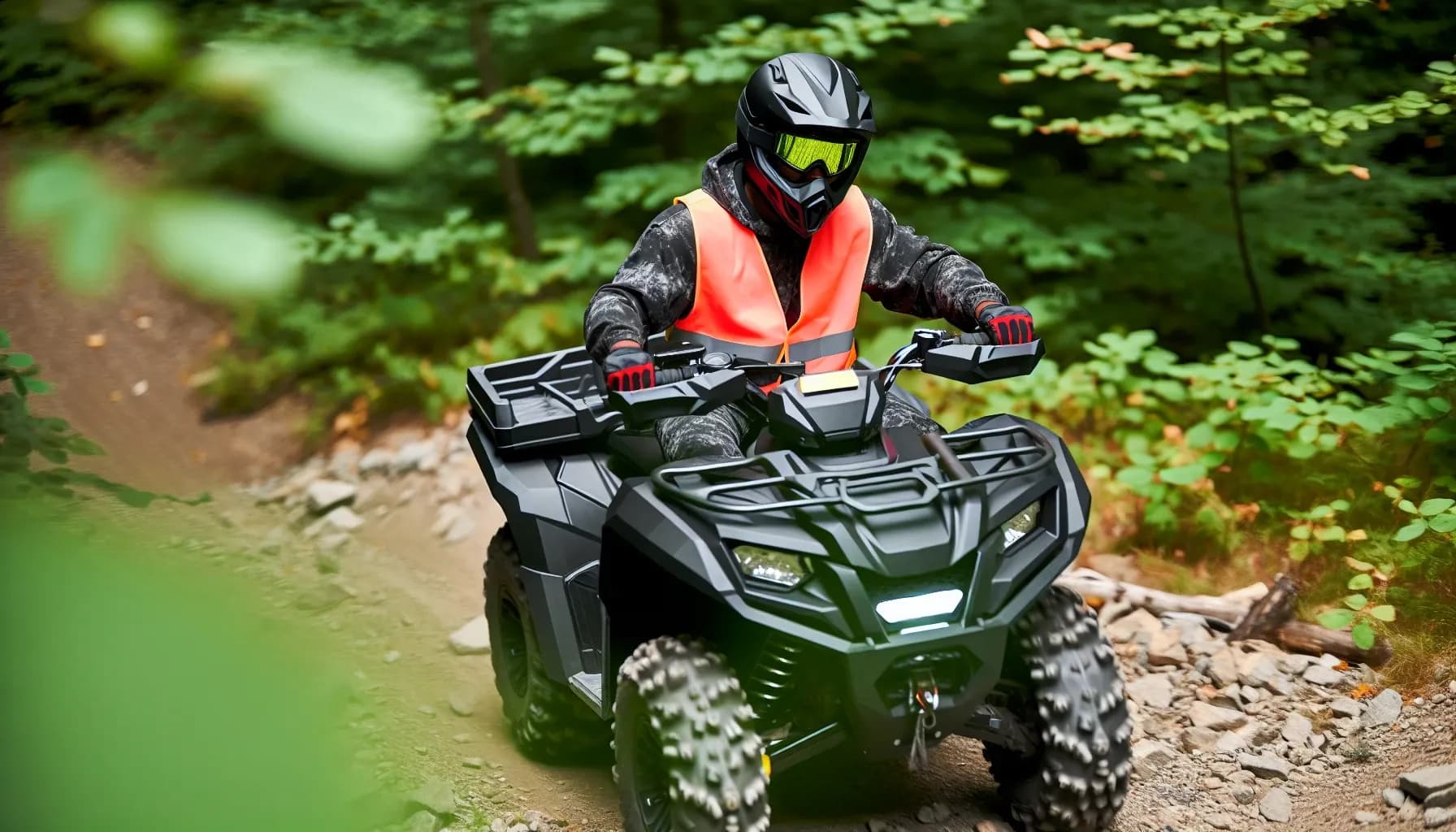
Off-roading on side by side all-terrain vehicles (ATVs) offers an exhilarating way to explore the great outdoors, providing a thrilling experience for both novice and experienced riders alike. However, the excitement of this adventurous pastime comes with its own set of risks and challenges, making it essential for riders to be aware of potential hazards and take necessary precautions to ensure a safe and enjoyable experience.
In this blog post, we’ll explore the common side by side ATV accident injuries, the importance of wearing appropriate safety gear, and the legal aspects of ATV accidents. By understanding these factors and implementing preventative measures, riders can minimize the likelihood of accidents and common side by side ATV accident injuries, allowing them to fully enjoy their off-roading adventures.
Understanding Side by Side ATV Risks
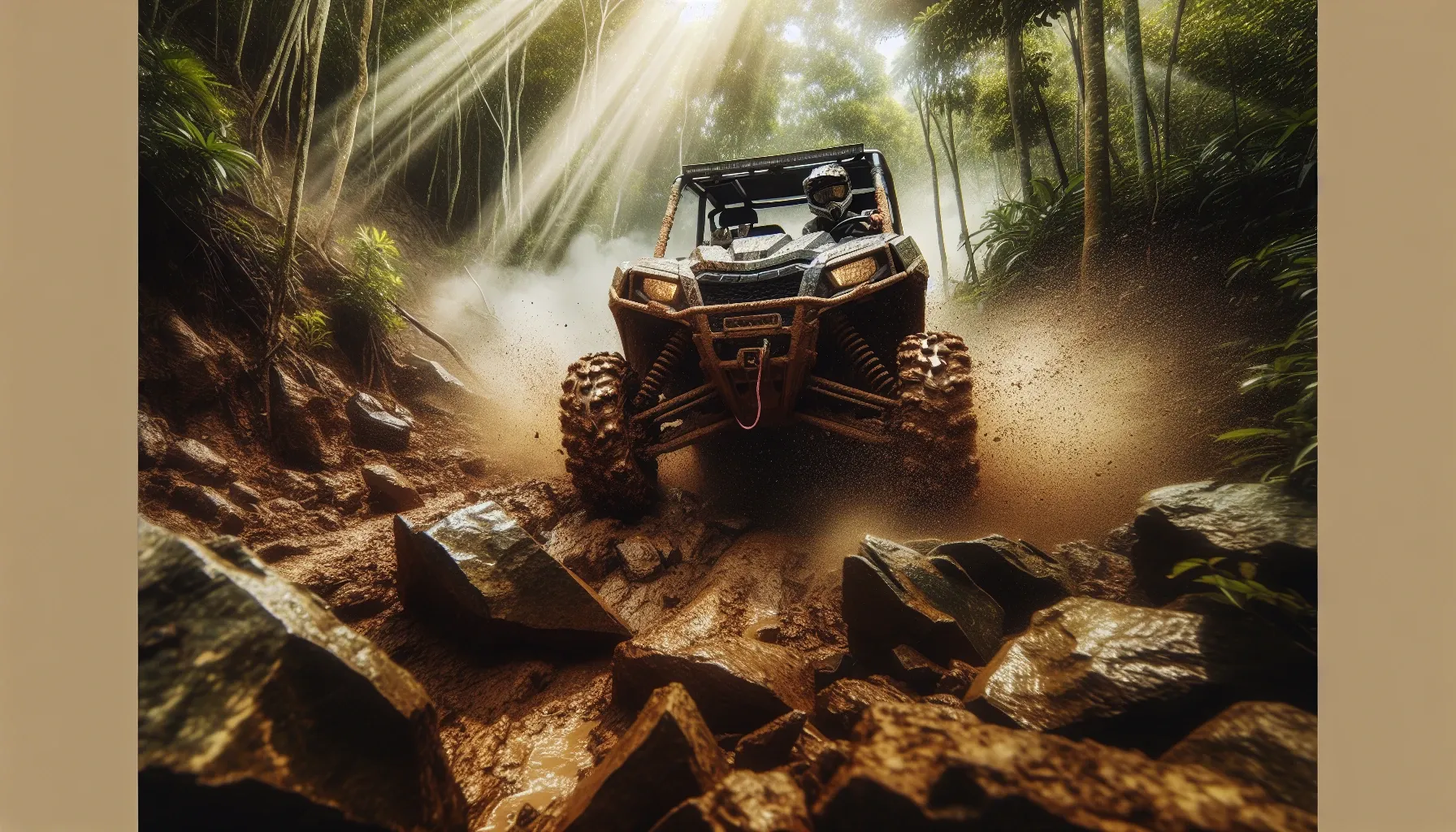
Side by side ATVs, or all terrain vehicles, present unique risks due to their design and the ability to carry multiple passengers. Unlike traditional single-passenger ATVs, side by side ATVs have a more enclosed design and two or more seats, allowing passengers to ride together at speeds of up to 60 miles per hour. This capacity for additional riders, combined with design challenges, can lead to both stability and safety issues that are distinct from those faced by riders of traditional ATVs.
To mitigate these risks, we need to focus on two main concerns: design and stability challenges, and passenger hazards. By examining these aspects, riders can gain a clearer understanding of the potential dangers associated with side by side ATV use and take appropriate precautions to minimize accidents and injuries.
Design and Stability Challenges
One of the primary concerns with side by side ATVs is the design and stability challenges that can contribute to hazardous outcomes, such as rollovers and collisions. These accidents are especially prevalent when side by side ATVs are driven on paved roads, where they are not designed to operate. Factors like incorrect weight distribution of passengers within the vehicle can further increase the likelihood of a rollover accident.
Mechanical failures on the trail can also pose dangers for passengers and other trail riders, potentially impeding drivers from navigating safely. To minimize the risk of accidents caused by design and stability challenges, riders should:
- Be mindful of weight distribution
- Avoid operating side by side ATVs on paved roads
- Ensure that their vehicle is properly maintained and inspected before use.
Passenger Hazards
Passengers in side by side ATVs face additional hazards that can lead to serious or even catastrophic injuries. One of the most significant risks for passengers is the potential for ejections and injuries resulting from inadequate seating or restraints. Approximately 80% of those killed in fatal ATV accidents had been partially or fully ejected from the vehicle. This shows us just how dangerous ATVs can be.
Primary factors leading to passenger ejections include:
- Failure to wear seat belts
- Extending arms outside the vehicle during a collision or rollover
- Consumption of alcohol or drugs, which can result in severe injuries
Ensuring that all passengers are securely seated and restrained with seat belts or harness systems is crucial for reducing the chances of injuries and fatalities in side by side ATV accidents.
Prevalent Injuries from Side by Side ATV Crashes
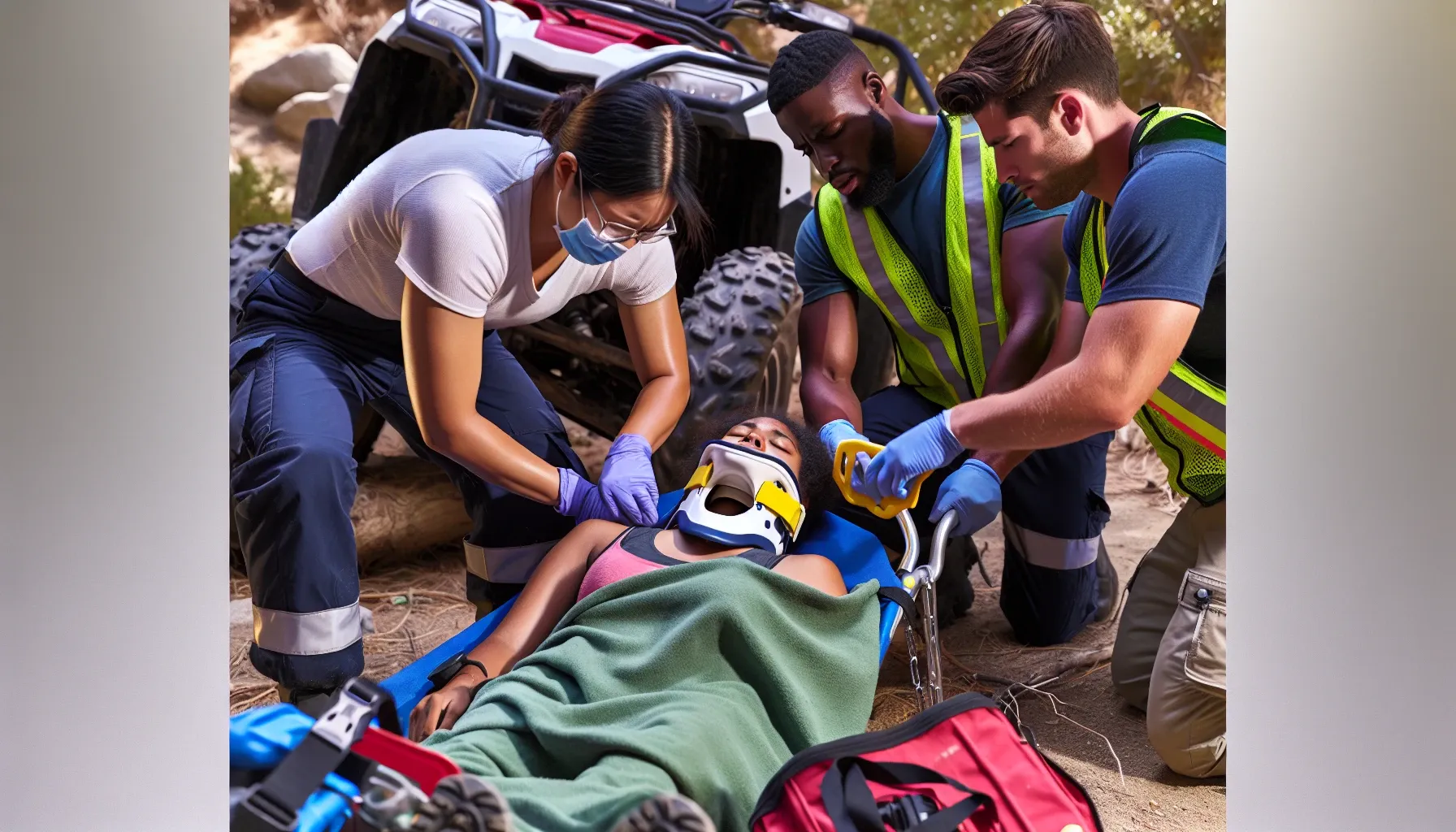
When accidents do occur, side by side ATV riders and passengers can sustain a variety of injuries, ranging from minor to life-threatening. Some of the most frequent injuries resulting from side by side ATV accidents include traumatic brain injuries, spinal cord injuries, and fractures. These injuries can have long-lasting effects on victims, impacting their ability to work, enjoy daily activities, and maintain their overall quality of life.
Next, we will detail each of these common injuries, including their causes, symptoms, and potential long-term effects. By understanding the consequences of these injuries, riders can better appreciate the importance of taking appropriate safety measures to minimize the risk of accidents and protect themselves and their passengers from sustaining injuries.
Traumatic Brain Injuries and Concussions
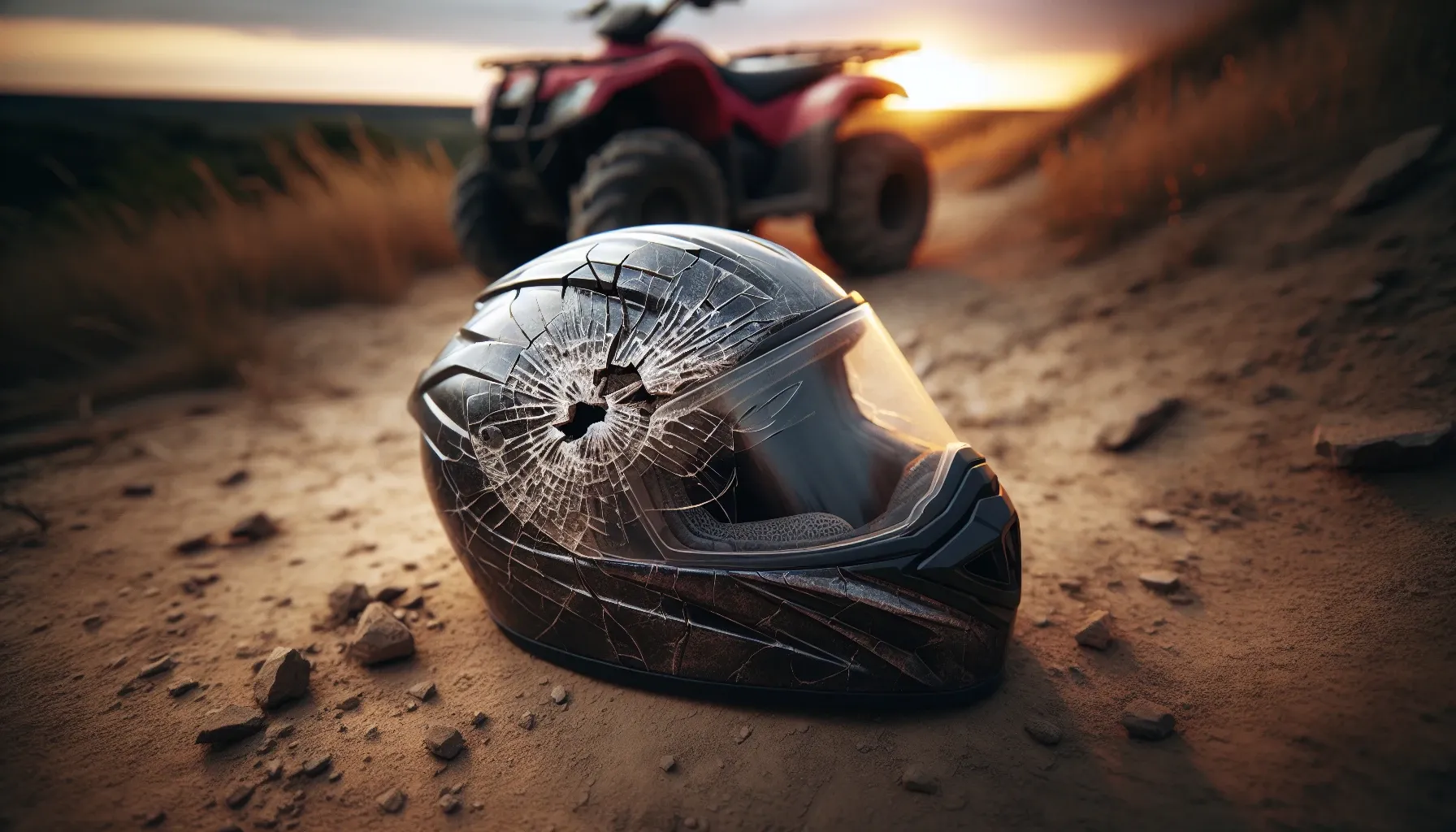
Traumatic brain injuries and concussions are prevalent in side by side ATV accidents, often resulting from collisions or rollovers where riders and passengers are not wearing proper helmets. The symptoms of traumatic brain injuries can include:
- headaches
- confusion
- memory problems
- nausea
- impaired thinking, movement, or emotional functioning
Complications may include bleeding, physical damage to the brain, and long-term impairments in various areas of functioning.
Repeated concussions and head injuries can have serious long-term behavioral and cognitive repercussions. For this reason, wearing a helmet when riding side by side ATVs is non-negotiable, given it protects against traumatic brain injuries, concussions, and other head-related injuries.
Spinal Cord and Back Injuries
Spinal cord and back injuries can occur in side by side ATV accidents, leading to chronic pain, disability, or paralysis. Some of the most common spinal cord and back injuries resulting from side by side ATV accidents include fractures, spinal cord injuries leading to paralysis, and back injuries resulting in partial or total paralysis.
The potential long-term effects of spinal cord and back injuries caused by side by side ATV accidents may include paraplegia, numbness, tingling, loss of feeling, and complications such as herniated discs and nerve damage. To reduce the risk of these injuries, riders should wear protective gear, such as helmets and back braces, and follow safe riding practices.
Fractures and Broken Bones
Fractures and broken bones are common ATV injuries, often caused by high-speed impacts or rollovers in ATV accidents. Extremity fractures, spine fractures, and open fractures are the most commonly observed fractures in ATV accidents. The recovery time for common fractures from ATV accidents can vary depending on the specific fracture and the bone that is fractured, with some injuries being painful and taking a significant amount of time to heal.
It is imperative to consult with a medical professional for an accurate assessment of the recovery time based on the specific injury. Proper treatment, which may include rest, immobilization, and sometimes surgery, is essential for healing and minimizing the potential complications of fractures and broken bones resulting from side by side ATV accidents.
Safety Gear: Reducing the Risk of Severe Injuries
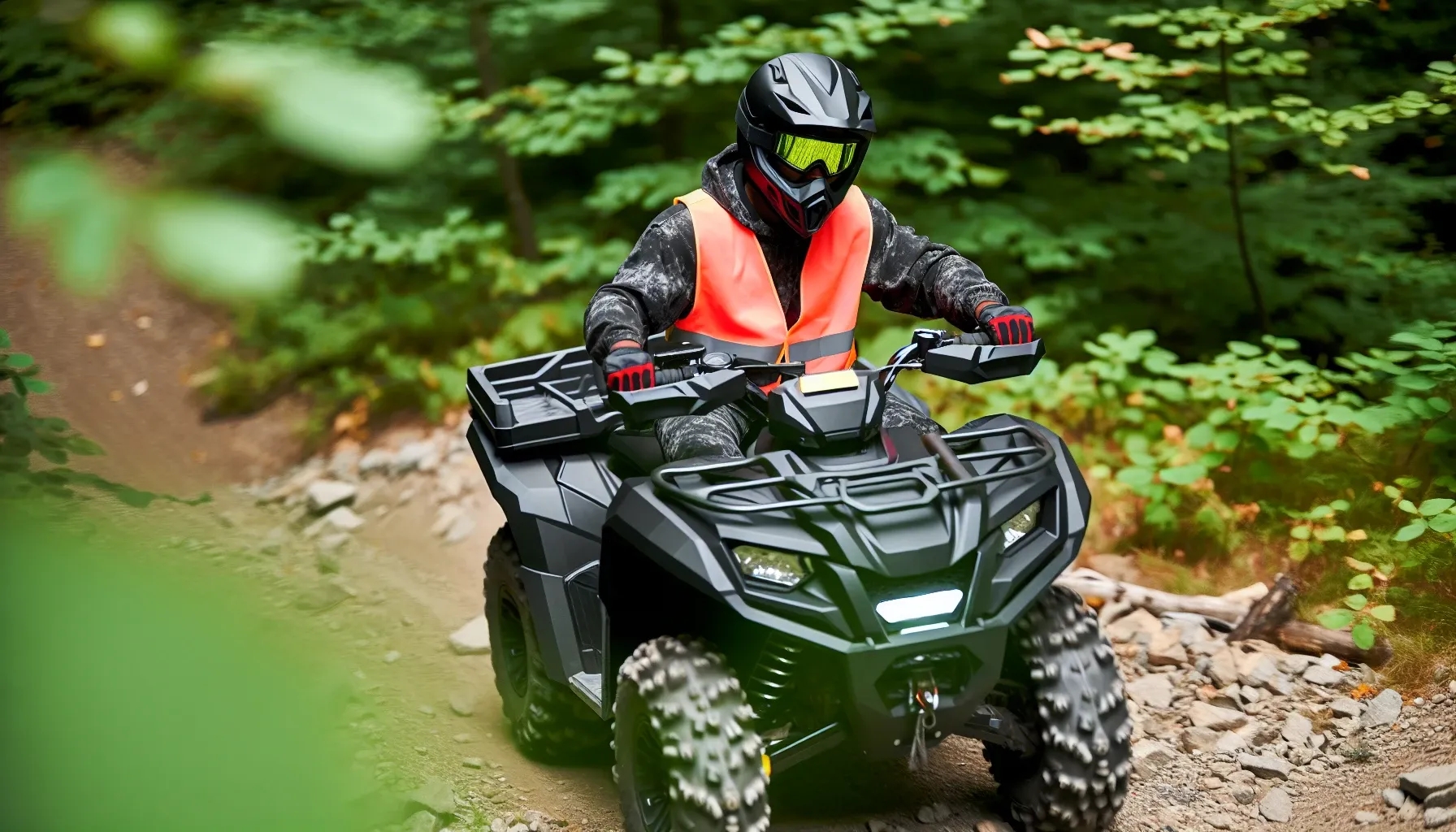
Wearing appropriate safety gear, such as helmets and protective clothing, can significantly reduce the risk of severe injuries in side by side ATV accidents. By investing in high-quality gear and using it consistently, riders can greatly enhance their safety and well-being on the trails.
Next, we will discuss how helmet use, eye protection, and protective clothing and body armor contribute to injury prevention during side by side ATV rides, as recommended by the Consumer Product Safety Commission.
Helmet Use and Eye Protection
Helmet use and eye protection are essential for preventing head and facial injuries in ATV accidents. Some effective safety gear for preventing side by side ATV injuries includes:
- Full-face helmets
- Protective goggles
- Gloves
- Boots
- Long sleeves
- Pants
In addition to protecting against direct impact or penetration, helmets can also help to mitigate the force of the impact, prevent the head from colliding with the steering wheel, dash, or cage, and safeguard against any debris kicked up from other vehicles or splashes.
Eye protection during ATV rides can also help to avoid facial injuries such as eye abrasions, lacerations, and foreign object injuries. By wearing a helmet and eye protection, riders and passengers can significantly reduce the risk of head and facial injuries in the event of an accident.
Protective Clothing and Body Armor
Protective clothing and body armor can help minimize the risk of cuts, abrasions, and other injuries during an ATV accident. Body armor provides additional protection to the upper body, including vital organs, in the event of an accident. This includes chest protectors, shoulder and bicep guards, and back protectors. Recommended brands for ATV safety gear include Flyracing, Alpinestars, and Highway 21.
By investing in and consistently wearing protective clothing and body armor, riders can better shield themselves from potential harm, ensuring a safer off-roading experience. Combined with helmet use and eye protection, these safety measures can greatly reduce the risk of severe injuries in utility terrain vehicle side by side ATV accidents.
Have Questions About Your Case?
Get a free consultation with an experienced Georgia accident attorney.
How Speed and Terrain Change the Injury
Side-by-sides are heavier and faster than the ATVs most riders picture, and the two factors that most reliably turn a mishap into a serious injury are speed and ground conditions.
A rollover is the defining side-by-side crash. It happens at surprisingly low speeds on a side slope, in a rut, or during a turn taken at a speed the terrain will not hold. Because the machine has a roll cage but the occupants often have nothing holding them inside it, the most severe injuries frequently involve a limb or head leaving the cage as the vehicle goes over — which is why a harness matters more than the cage itself.
Loose surfaces, wet ground, and unfamiliar trails compound the risk, as does carrying passengers who change the vehicle's balance. Night riding removes the rider's ability to read the ground ahead at exactly the moment reaction time matters most.
Medical Care and Why the Record Matters
Off-road crashes tend to happen far from immediate help, and the delay is itself a risk factor — internal injuries and head trauma both worsen untreated. Get evaluated the same day even where injuries seem minor, because a documented examination close to the crash is what later ties the injury to the event rather than to something that happened afterwards.
Follow the treatment plan and keep the gaps out of it. An untreated interval in the record is the argument an insurer will make about whether the injury was really caused by the crash.
Will Auto Insurance Cover an ATV Accident?
Usually not, and this is the question that decides most ATV claims before anything else is considered.
Georgia treats ATVs and side-by-sides as off-road vehicles rather than motor vehicles built for public streets — the distinction our guide to whether ATVs are street legal in Georgia works through in detail. Standard auto policies are written around road-going vehicles and commonly exclude off-road machines outright.
That leaves several other routes, and which applies turns largely on where the crash happened:
- A dedicated ATV or recreational-vehicle policy, if one was bought.
- Homeowners' or farm liability coverage, which may respond when the crash occurred on the insured's own property — and, in some policies, when a household member is riding elsewhere.
- The at-fault party's own liability coverage, where another rider, a landowner, or a business is responsible.
- Your own UM/UIM coverage under O.C.G.A. § 33-7-11 — this is the route people most often miss, and it can apply where the ATV was being operated on a public road.
Do not accept an insurer's first position that "the policy does not cover ATVs" as the end of the matter. It may be right about that policy and irrelevant to your claim.
Who Can Be Held Liable
An ATV crash rarely involves only the rider:
- Another rider or driver whose negligence caused the collision.
- A landowner or occupier, where a hidden hazard, unmarked obstacle or unsafe trail caused the crash. Georgia's Recreational Property Act limits liability for land opened to the public without charge, but that protection has limits — notably where a fee was paid or a known danger was concealed.
- A manufacturer or dealer, where the machine rolled over, the steering or brakes failed, or a roll cage or restraint did not perform. Rollover is the defining side-by-side crash, and defect claims are common because of it.
- A rental or tour operator, where maintenance, instruction or supervision fell short. A signed waiver is not automatically the end of such a claim.
- An employer, where the ride was work.
Deadlines and Fault
The ordinary Georgia rules apply. You have two years from the crash to file suit for injuries under O.C.G.A. § 9-3-33. Fault is apportioned under O.C.G.A. § 51-12-33: your recovery is reduced by your share and lost entirely at 50%.
Expect your own conduct to be scrutinised — helmet use, speed, terrain choice, passenger count, and whether the machine was rated for what it was carrying. Being partly at fault reduces a claim; it does not end one.
What to Do After an ATV Crash
- Get medical attention the same day. Off-road crashes happen away from help, and the delay is itself used against the claim later.
- Photograph the machine and the ground before anything is moved or repaired — terrain, ruts, obstacles, and the vehicle's resting position.
- Do not let the machine be repaired or sold if a mechanical failure or rollover is involved. It is the evidence in a defect claim.
- Identify the land and who controls it, along with any rental agreement, waiver, or trail-permit terms.
- Get witness details, which disappear faster here than at a roadside crash.
Legal Aspects of Side by Side ATV Injuries
In the unfortunate event of a side by side ATV accident resulting in injuries, there are legal aspects that must be considered. Determining liability and seeking compensation for medical expenses and lost wages are vital steps in the aftermath of an accident.
Next, we will talk about how to determine liability in ATV accidents and how victims can seek compensation for injuries, medical expenses, and lost wages.
Determining Liability in ATV Accidents
Determining liability in ATV accidents requires a thorough investigation of the incident, including driver error, defective equipment, and other contributing factors. Driver error, such as negligence or reckless behavior, can play a key role in assessing liability in ATV accidents. If a driver causes an accident due to their actions, they can be held accountable for any injuries inflicted on other riders or passengers.
Defective equipment can also play a substantial role in assessing liability in ATV incidents. If an accident is caused by a design flaw, manufacturing defect, or lack of providing adequate equipment, the manufacturer may be held accountable for any injuries sustained. By understanding the factors that contribute to liability in ATV accidents, victims can better navigate the legal process and seek the compensation they deserve.
Recovering Compensation for Medical Expenses and Lost Wages
Victims of side by side ATV accidents may be eligible for compensation to cover medical expenses, lost wages, and other damages through insurance claims or personal injury lawsuits. The process of filing a personal injury lawsuit typically entails:
- Obtaining medical attention
- Assembling evidence
- Consulting with a lawyer
- Submitting a claim
- Endeavoring to reach a settlement
- Potentially continuing with litigation if a settlement cannot be achieved.
In ATV accident lawsuits, typically covered damages include:
- Medical expenses
- Lost wages
- Pain and suffering
- Property damage
- Punitive damages (in some cases)
By understanding the legal aspects of side by side ATV injuries and working with experienced ATV accident lawyers, victims can ensure they recover compensation for their losses.
Preventative Measures for Safer Off-Roading
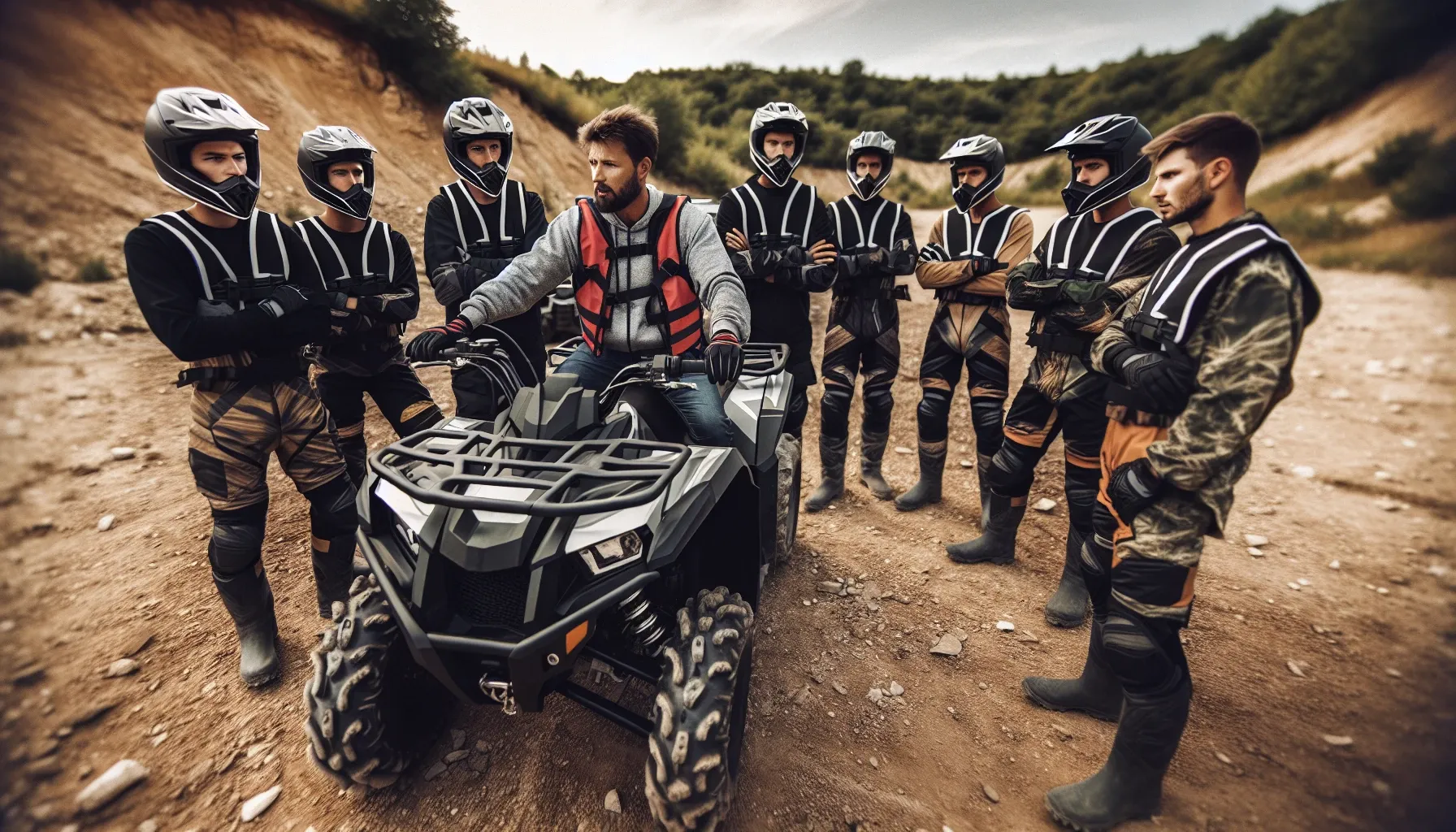
Taking preventative measures, such as hands-on safety training and adhering to manufacturer guidelines, can help ensure a safer off-roading experience for side by side ATV riders and passengers. By being proactive in their safety measures and continually refining their skills, riders can minimize the risk of accidents and injuries, allowing them to fully enjoy their off-roading adventures.
Next, we will discuss the benefits of hands-on safety training and the importance of following manufacturer guidelines, both of which contribute to a safer and more enjoyable off-roading experience.
Hands-On Safety Training
Participating in hands-on safety training can help riders develop the skills and knowledge necessary to safely operate side by side ATVs and avoid accidents. Hands-on safety training typically includes hands-on demonstrations, exercises, and simulations to impart riders with the skills to properly operate and control their side by side ATVs, as well as navigate various terrains and obstacles safely.
In addition to honing skills, hands-on safety training offers several benefits for riders:
- Increases risk awareness
- Imparts safety knowledge
- Readies riders for emergencies
- Boosts confidence
By engaging in regular hands-on safety training, riders can become more adept at navigating the challenges of off-roading and minimize the risk of accidents and injuries.
Adhering to Manufacturer Guidelines
Following manufacturer guidelines for proper maintenance, weight limits, and passenger restrictions can help reduce the risk of side by side ATV accidents and injuries. Proper maintenance is essential in order to identify and address potential issues before they become safety hazards.
Weight limits and passenger restrictions are also important factors to consider, as overloading a side by side ATV or carrying too many passengers can compromise the vehicle’s stability and increase the likelihood of an accident. By adhering to these guidelines, riders can ensure a safer off-roading experience and minimize the risk of accidents and injuries.
Summary
Throughout this blog post, we’ve explored the various risks, injuries, and legal aspects associated with side by side ATV use. By understanding these factors and implementing preventative measures such as hands-on safety training and adhering to manufacturer guidelines, riders can minimize the likelihood of accidents and injuries, ensuring a safer and more enjoyable off-roading experience.
The claims side is where these cases are usually lost rather than won: an insurer says the auto policy excludes off-road vehicles, the machine gets repaired before anyone inspects it, and the two-year deadline arrives while the family is still working out who was responsible.
If you or someone in your family was hurt on an ATV or side-by-side in Georgia, a Georgia ATV accident lawyer can identify which policies actually respond, preserve the machine where a defect is in question, and pursue the landowner, manufacturer or operator alongside the at-fault rider. Our personal injury lawyers offer free consultations, and there is no fee unless we win.
Frequently Asked Questions
What is the most common injury in the ATV?
Head and extremity trauma are the most common injuries suffered in ATV accidents, with broken bones and fractures also commonly sustained. TBIs, or traumatic brain injuries, are also often seen as a result of ATV accidents, and can be some of the most serious consequences.
What are the dangers of side-by-side?
Side-by-sides come with the risk of a rollover accident, leading to serious injuries like broken bones, traumatic brain injury and spinal cord injuries. It is important to be aware of these dangers when considering purchasing one.
Is a side-by-side safer than an ATV?
Side-by-side vehicles are twice as likely to cause injuries compared to ATVs, and offer features like roll cages, seatbelts and windscreens that make them safer options. Therefore, a side-by-side is generally considered safer than an ATV.
What safety gear should I wear when riding a side by side ATV?
When riding a side by side ATV, it is important to wear full-face helmets, protective goggles, gloves, boots, long sleeves, and pants for maximum safety.
How can I determine liability in a side by side ATV accident?
In order to determine liability in a side by side ATV accident, you should conduct a thorough investigation of the incident, assessing driver error, defective equipment, and other contributing factors.