Key Takeaways
- Georgia truck-crash injury claims must be filed within two years under O.C.G.A. § 9-3-33; cargo-damage or property claims have four years under O.C.G.A. § 9-3-32.
- According to the National Highway Traffic Safety Administration, trucks weigh 20–30 times more than passenger cars, and the height of their bumpers contributes to underride collisions that cause disproportionately severe injuries.
- The Federal Motor Carrier Safety Administration requires interstate commercial carriers to maintain at least $750,000 in liability insurance for general freight — far more than passenger-vehicle minimums.
- Both driver and motor carrier can be sued in Georgia under respondeat superior and the carrier's independent duties to inspect, train, and supervise — a key distinction from ordinary auto cases.
- Truck driver hours-of-service rules cap on-duty time at 14 hours per day and driving time at 11 hours, with mandatory 10 consecutive hours off-duty between shifts under 49 CFR § 395 — violations show up in 8% of fatal large-truck crashes per FMCSA data.
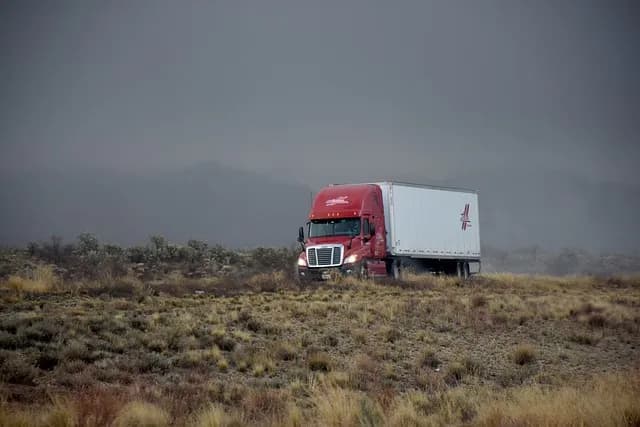
Large commercial vehicles, such as tractor trailer, semi-trucks and big rigs, pose a significant risk to other motorists on the road. Their sheer size and weight make them a potential hazard to smaller vehicle, particularly when it comes to underride collisions and accidents. In these unfortunate incidents, a smaller vehicle collides with the underside of tractor trailer or a commercial truck’s trailer itself, often resulting in severe injuries or fatalities. If you have lost a loved one in an underride collision or accident, it’s crucial to be aware of your legal options and the available assistance.

Introduction
Underride accidents involving large commercial vehicles can have devastating consequences for highway safety and those involved. When a car or small truck goes underneath a semi-truck rear in a rear underride crash, the top of the vehicle can be torn off or completely crushed. The passengers in the car crash smaller vehicle are at a significantly higher risk of suffering fatal injuries in these types of rear underride accidents.
What makes an underride crash different from an ordinary rear-end collision is where the impact lands. A car striking the back of another car meets a bumper designed to absorb it. A car passing beneath a trailer meets the trailer's frame at windscreen height, and the vehicle's entire crash structure — bumper, bonnet, crumple zone, airbags — is bypassed. That is why these are among the most lethal crashes involving large trucks.
Causes of Underride Accidents
Understanding the causes of side and rear underride crashes and accidents is crucial in preventing them. Several factors contribute to side and rear underride collisions and crashes and to these accidents, including:

Poor Visibility and Lighting
Visibility is critical. At night or in poor weather it can be genuinely difficult to judge where a trailer ends, particularly a dark trailer crossing a lane at low speed. Neglected reflective tape or failed marker lights make it worse, and both are maintenance failures that leave a record.
Failure to Anticipate Truck Turns
A common cause is a following driver failing to anticipate that a truck ahead is turning. By the time they register that the trailer is swinging across their path, it can be too late to slow or stop.
Negligent Blind Spot Checks
Another factor is a truck driver failing to check blind spots properly before changing lanes — a manoeuvre that can push a smaller vehicle sideways and underneath the trailer.

Multi-Vehicle Collisions
Underride accidents can also occur in the context of multi-vehicle collisions. In a chain-reaction crash, a car can be struck from behind and driven forward into the rear of the semi in front of it — an underride caused by a third vehicle entirely.
Legal Options for Underride Accident Victims
After a catastrophic injury — and underride crashes produce head and spinal injuries at a rate few other collisions match — navigating the legal landscape alone is difficult. This is where the attorneys at Georgia Auto Law can help. We handle personal injury and wrongful death claims arising from truck collisions throughout Georgia.
Holding Negligent Parties Responsible
Identifying the root cause is what holds the responsible parties accountable. Neglected maintenance, missing or damaged reflective markings, impairment, and plain driver error all contribute. Working with outside accident reconstruction and mechanical experts, the attorneys at Georgia Auto Law establish liability and pursue the negligent carrier or driver.
Seeking Compensation for Losses
Underride truck accidents can have devastating financial implications for the victims and their families. If you have been injured or lost a loved one in an underride crash, you may be facing medical bills and a loss of income that no one planned for. A wrongful death claim can address lost earning capacity and the expenses that follow a death, alongside the value of the life itself.

Underride Accident Investigations and Next Steps
The Federal Motor Carrier Safety Administration (FMCSA) imposes several safety rules and regulations on semi-truck operators and their employers to ensure visibility and maintenance standards for commercial trucks are met. Commercial vehicles must employ multiple caution lights and reflective devices to maximize visibility on the road. Reflective paint and tape on commercial trucks also must be well-maintained and clean, allowing other motorists to easily spot them. Additionally, commercial vehicle operators must use appropriate hazard signage when pulled over on the side of the road.
Rear underride guards — the steel bar beneath a trailer's tail — are federally required on most trailers, and one that is missing, corroded, or bent is itself evidence of neglected maintenance. Side guards, which prevent a car passing beneath the length of a trailer, are a different matter: testing has repeatedly shown they work, but federal law still does not require them, and most trailers on the road do not have them.
In underride cases across Atlanta and the rest of Georgia, the truck accident attorneys at Georgia Auto Law pursue the negligent carrier and driver, drawing on outside experts to investigate the underlying cause and establish who is legally responsible for the injuries. Inadequate maintenance, negligent signage, or driver error can all contribute to underride truck accidents, and the attorneys at Georgia Auto Law are dedicated to helping families seek justice.
Your Hometown Underride Accident Attorneys
Underride crashes are not merely serious — they are disproportionately fatal. If you have lost a loved one in one, you may be worried about final expenses and the income that has gone with them. At Georgia Auto Law we believe no one should carry the financial burden of someone else's negligence. A wrongful death claim can address lost earning capacity and the expenses a family is left with.
To explore your legal options, we offer a free initial consultation at our office. Our compassionate attorneys will carefully review the specifics of your case and guide you through the next best steps.
Conclusion
Underride accidents involving large commercial vehicles pose a significant risk to the occupants of the smaller vehicle, which can pass beneath the trailer so that the point of impact is the windscreen rather than the bumper. These crashes are disproportionately severe and often fatal, and they are one of the long-standing safety problems in the trucking industry. Understanding your legal options matters if you have been affected by one. An experienced truck accident attorney can provide the guidance and support you need to seek justice and compensation for your losses.
FAQs
Q: What is an underride accident?
An underride accident occurs when a smaller vehicle passes beneath the trailer of a large commercial truck. Because the impact lands at windscreen height rather than at the bumper, the occupants of the smaller vehicle are at very high risk of severe or fatal injury.
Q: How common are underride crashes?
They are less frequent than other collision types, but far more severe when they happen. That severity — not the frequency — is what makes them a recurring subject of federal safety rulemaking.
Q: What should I do if I’ve been injured in an underride accident?
If you have been injured in an underride accident, it’s important to seek medical attention immediately. Additionally, you should consult with an experienced personal injury attorney who can guide you through the legal process and help you seek compensation for your injuries.
Q: How long do I have to file a legal claim after an underride truck accident?
In Georgia the deadline to file an underride truck accident case is two years from the date of injury under O.C.G.A. § 9-3-33. The practical deadline is far shorter: a carrier need only keep duty-status records for six months, so the preservation letter has to go out long before the filing deadline approaches.
Q: How much does it cost to hire a truck accident attorney?
We work on a contingency-fee basis, which means no attorney's fee is owed unless we recover compensation for you. That lets you pursue the claim without upfront cost. Ask us how case expenses are handled — those are accounted for separately from the fee.
Frequently Asked Questions
What causes most large-truck crashes?
According to FMCSA crash data, the leading contributing factors are driver fatigue, unfamiliarity with the route, brake problems, speeding, and distraction. Many of these correlate with violations of federal hours-of-service rules — a logbook audit early in the case can reveal those violations.
How long do I have to file a Georgia truck-accident claim?
Two years from the date of the crash under O.C.G.A. § 9-3-33 for personal injury. Cargo or property claims have four years under O.C.G.A. § 9-3-32. However, evidence-preservation letters to the carrier should go out within days to prevent logbook and ELD data from being overwritten.
Can I sue both the truck driver and the trucking company?
Yes. Under Georgia respondeat superior law, the trucking company is generally liable for the driver’s on-duty negligence. The carrier also has independent duties to inspect, train, supervise, and route — violations of those duties create direct claims against the company beyond the driver’s actions.
What evidence is unique to truck-accident cases?
Federal regulations from the Federal Motor Carrier Safety Administration require commercial carriers to maintain driver logs, hours-of-service records, electronic logging device (ELD) data, drug and alcohol test results, maintenance records, and post-crash inspection reports. These records have short retention periods and must be preserved by formal demand.