Key Takeaways
- In many states distracted driving is treated as a civil infraction while drunk driving is a criminal offence. Georgia is an exception on the first count: a Hands-Free Law violation is itself a misdemeanour.
- Public support is growing for harsher penalties for distracted driving, reflecting heightened awareness of its dangers and the need for policy changes.
- Both distracted and drunk driving offenses can lead to long-term consequences such as increased insurance costs and employment challenges for offenders.
- Georgia personal-injury claims must be filed within two years of the crash under O.C.G.A. § 9-3-33, with modified comparative negligence under O.C.G.A. § 51-12-33 reducing recovery by the plaintiff's share of fault.
- According to the National Highway Traffic Safety Administration, proper documentation of the crash scene, medical records, and lost income within days of the crash significantly improves case outcomes.
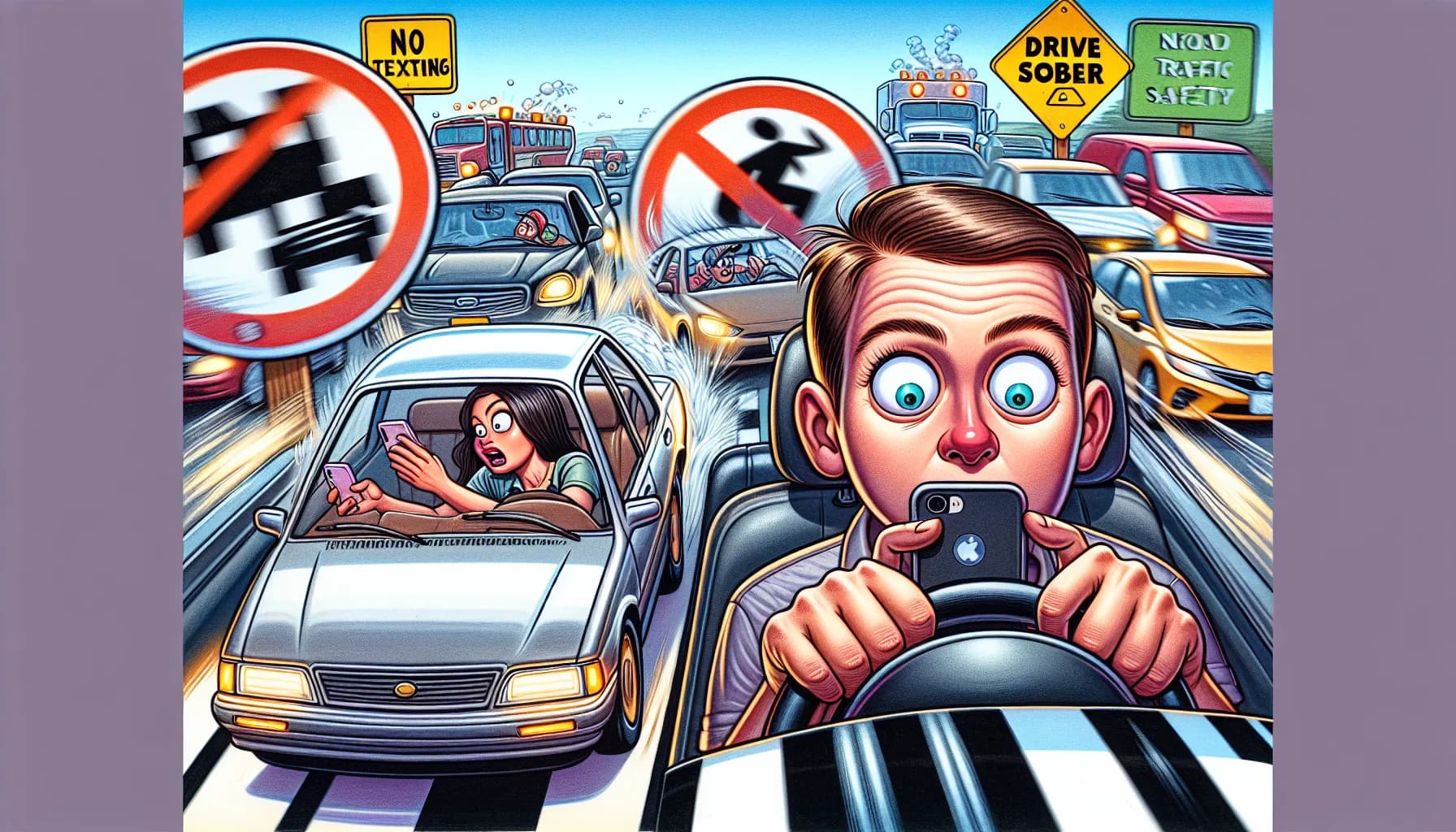
Distracted driving vs drunk driving punishment is unequal despite both posing serious danger. Why is this the case? This article delves into the reasons behind the disparity, the current penalties for each, and discusses the urgent need for equal treatment through policy changes.
Understanding Distracted Driving and Drunk Driving
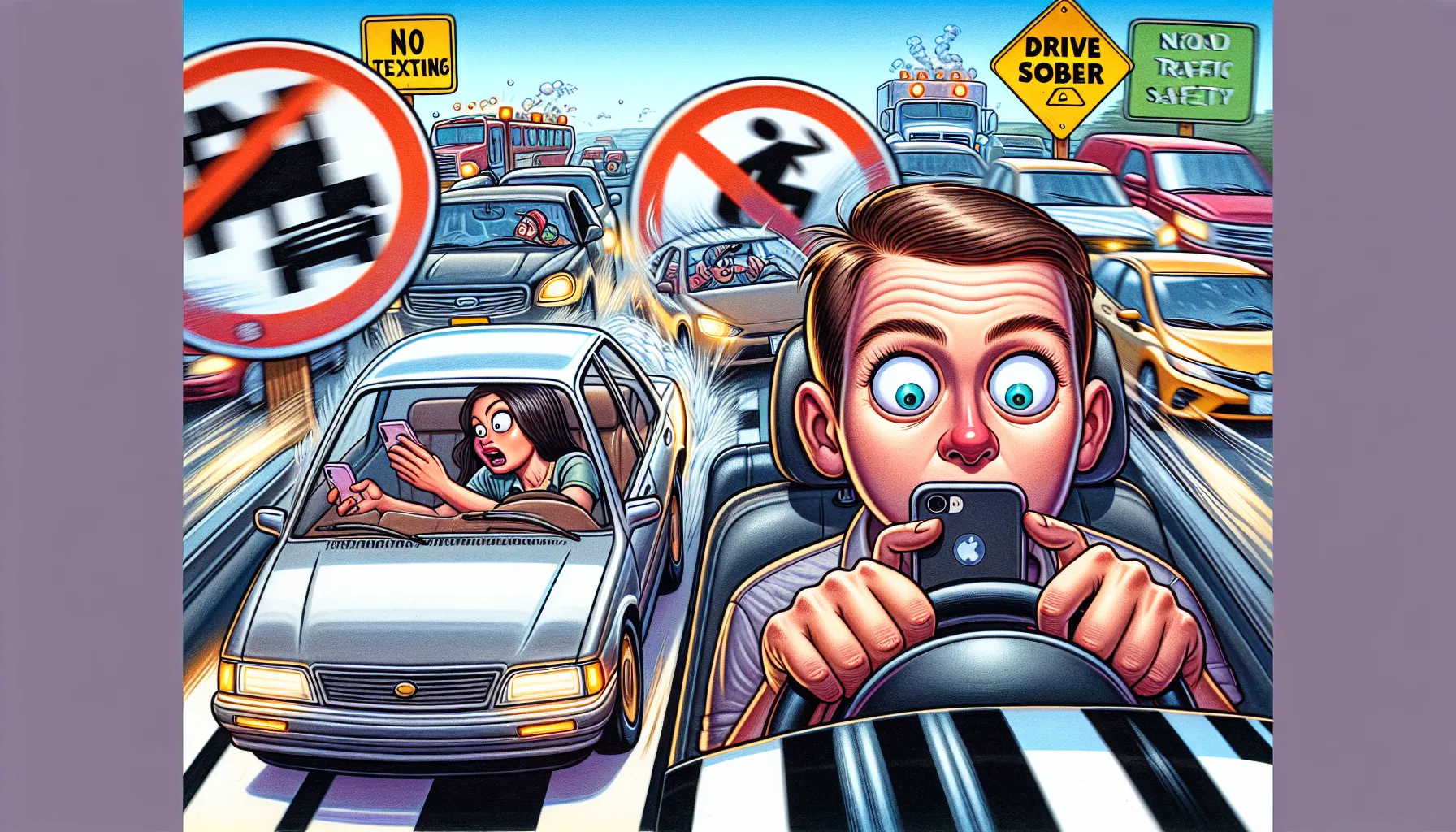
Distracted driving and drunk driving both pose substantial threats to road safety, yet they are frequently misunderstood. Distracted driving includes activities that take attention away from driving, such as using handheld devices or texting, a behavior that has surged with technological advancements.
On the other hand, drunk driving involves operating a vehicle under the influence of alcohol, which impairs motor skills and judgment. Despite the differences, both behaviors lead to dangerous outcomes, necessitating a comprehensive understanding to address the issue effectively.
What is Distracted Driving?
Distracted driving encompasses any activity that diverts a driver’s eyes and attention from driving, including using cell phones, programming GPS, eating, or engaging with passengers. Texting while driving is particularly hazardous, as it can divert a driver’s attention from the road for approximately 4.6 seconds—long enough to cover the length of a football field at high speed without looking. These distractions significantly impair a driver’s ability to react to sudden changes on the road.
Avoiding activities like texting, using a phone and programming a GPS can help combat distracted driving. Cognitive distractions, where a driver's mind is elsewhere, can be every bit as dangerous as physical ones.
Young adult drivers are particularly susceptible to these distractions, highlighting the need for stricter distracted driving laws and enhanced traffic safety education for licensed drivers.
What is Drunk Driving?
Drunk driving is defined as operating a vehicle with a blood alcohol concentration (BAC) level that exceeds the legal blood alcohol limit, which is typically set at 0.08% in many jurisdictions. Alcohol consumption significantly impairs a person’s motor skills, judgment, and reaction time, making it extremely dangerous to drive. Even if a driver’s BAC is below the legal blood alcohol limit, their driving ability can still be noticeably impaired, leading to potential drunk driving charges.
Arranging alternative transportation, such as a taxi or rideshare, is advisable even after just one drink. Drinking and driving endangers both the driver and other road users, making it a critical issue that demands stringent enforcement and public awareness.
The Dangers of Distracted Driving
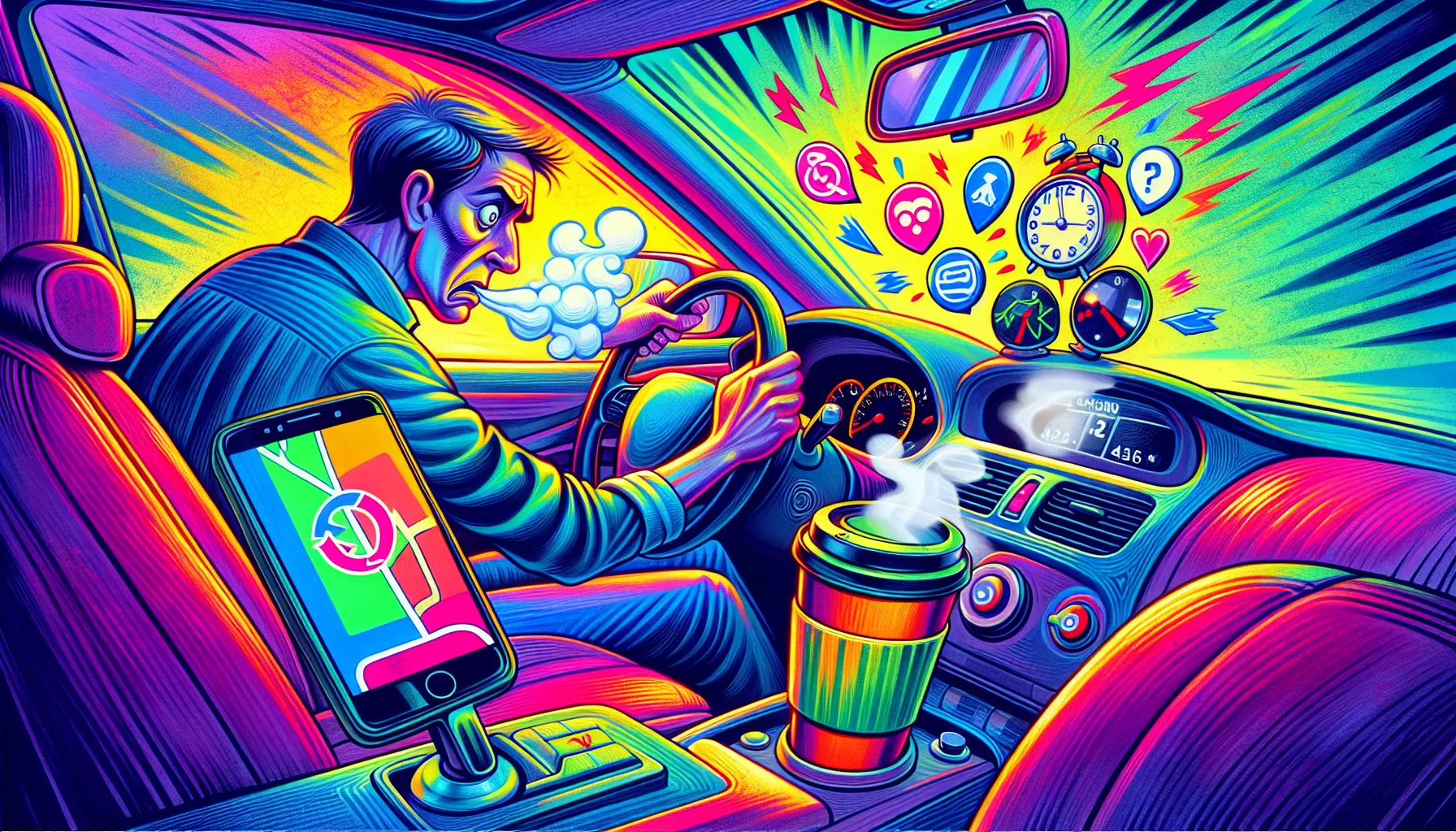
The dangers of distracted driving cannot be overstated. Engaging in non-driving activities while driving significantly increases the risk of accidents and fatalities. Distracted driving accidents result in both death and ongoing personal, financial, and social repercussions that persist long after the immediate penalties have been served.
Addressing these dangers effectively requires a thorough understanding.
Impact on Reaction Time
Distracted driving, particularly texting and driving, can divert attention for an extended period, equivalent to driving the length of a football field at high speed without looking. Activities such as eating, fiddling with controls, talking or engaging with passengers are common distractions that can impair driving.
The impact on reaction time is significant, as these distractions reduce a driver’s ability to respond quickly to sudden changes on the road, increasing the likelihood of accidents.
Statistics on Distracted Driving Accidents
In 2022, distracted driving was responsible for 3,308 traffic fatalities in the U.S., highlighting the severe consequences of this behavior. Approximately nine deaths occur each day due to distracted driving, underscoring the urgent need for effective intervention and public awareness. National campaigns like ‘Faces of Distracted Driving’ and ‘Put the Phone Away or Pay’ aim to educate the public about the personal impacts of distracted driving through victim testimonials and awareness initiatives.
Public awareness initiatives often integrate eye-opening statistics and personal stories to inform drivers about the risks associated with distracted driving. By highlighting the devastating consequences and promoting safer driving practices, these campaigns strive to reduce the incidence of distracted driving accidents and enhance overall traffic safety.
The Dangers of Drunk Driving
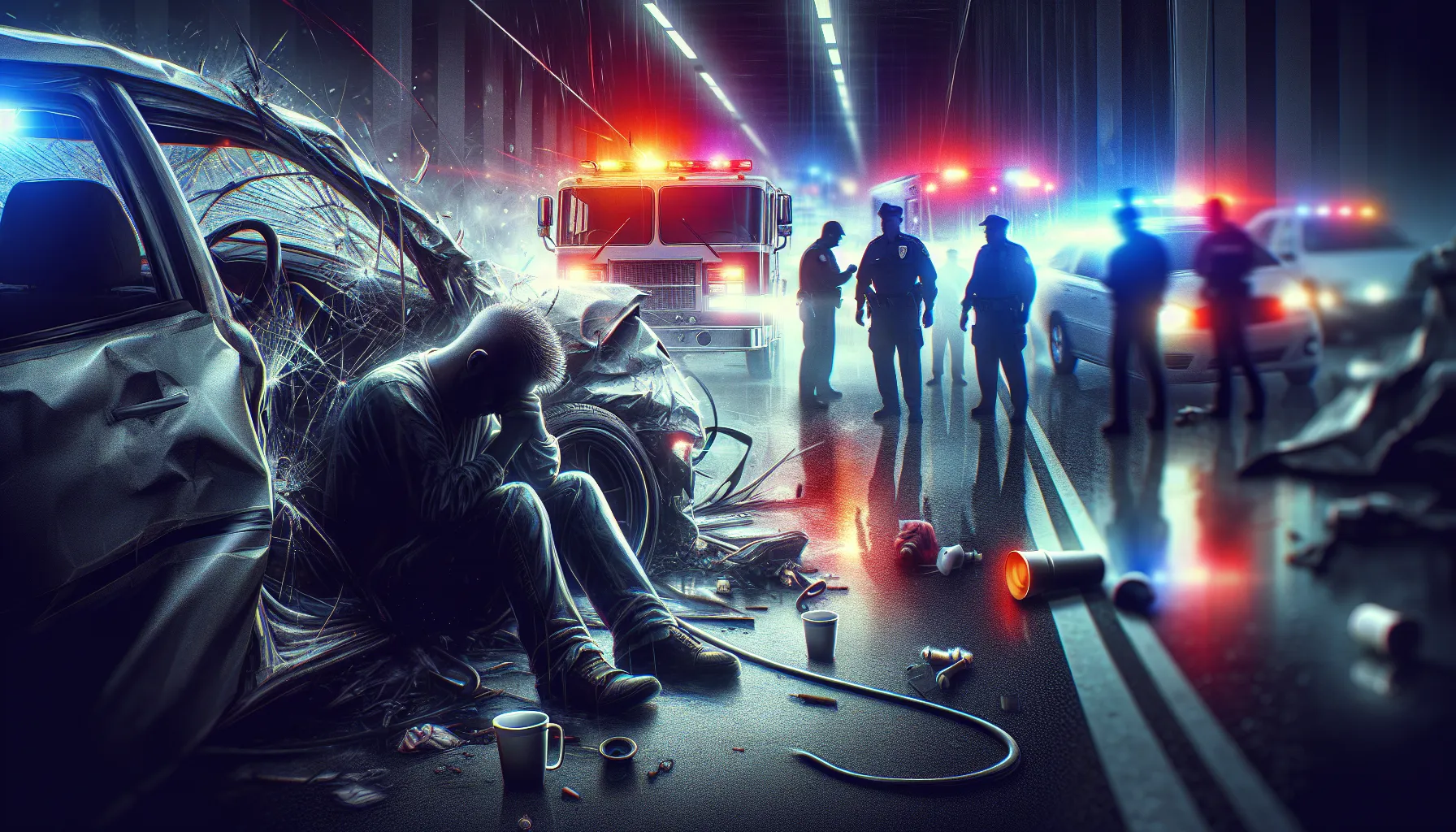
Drunk driving poses substantial public safety concerns, significantly increasing the chances of severe car crashes and fatalities caused by a drunk driver. The dangers of drunk driving necessitate stricter enforcement and awareness to protect road users.
Understanding the specific impacts of alcohol on driving ability and the alarming statistics on drunk driving crashes is essential to addressing this issue effectively.
Effects of Alcohol on Driving Ability
Alcohol consumption significantly impairs motor skills, judgment, and overall driving ability. Even if a driver’s BAC is below the legal limit, their driving can still be noticeably impaired. Driving under the influence of alcohol affects concentration and reaction time, making it extremely dangerous to operate a vehicle.
The combined effects of impaired motor skills and judgment drastically increase the risk of accidents and fatalities on the road.
Statistics on Drunk Driving Crashes
The likelihood of a car crash also increases significantly with higher Blood Alcohol Content (BAC) levels. Drivers with a BAC of 0.08 are four times more likely to crash, illustrating the severe risk posed by driving under the influence. Nationally, roughly 30% of traffic fatalities involve an alcohol-impaired driver, emphasising the need for stringent enforcement of drunk driving laws.
Every two minutes, someone in the United States is injured because of drunk driving, highlighting the scale of the ongoing public safety issue.
These statistics underscore the importance of continued efforts to combat drunk driving through enforcement and public awareness.
Have Questions About Your Case?
Get a free consultation with an experienced Georgia accident attorney.
Comparing Penalties for Distracted Driving vs Drunk Driving
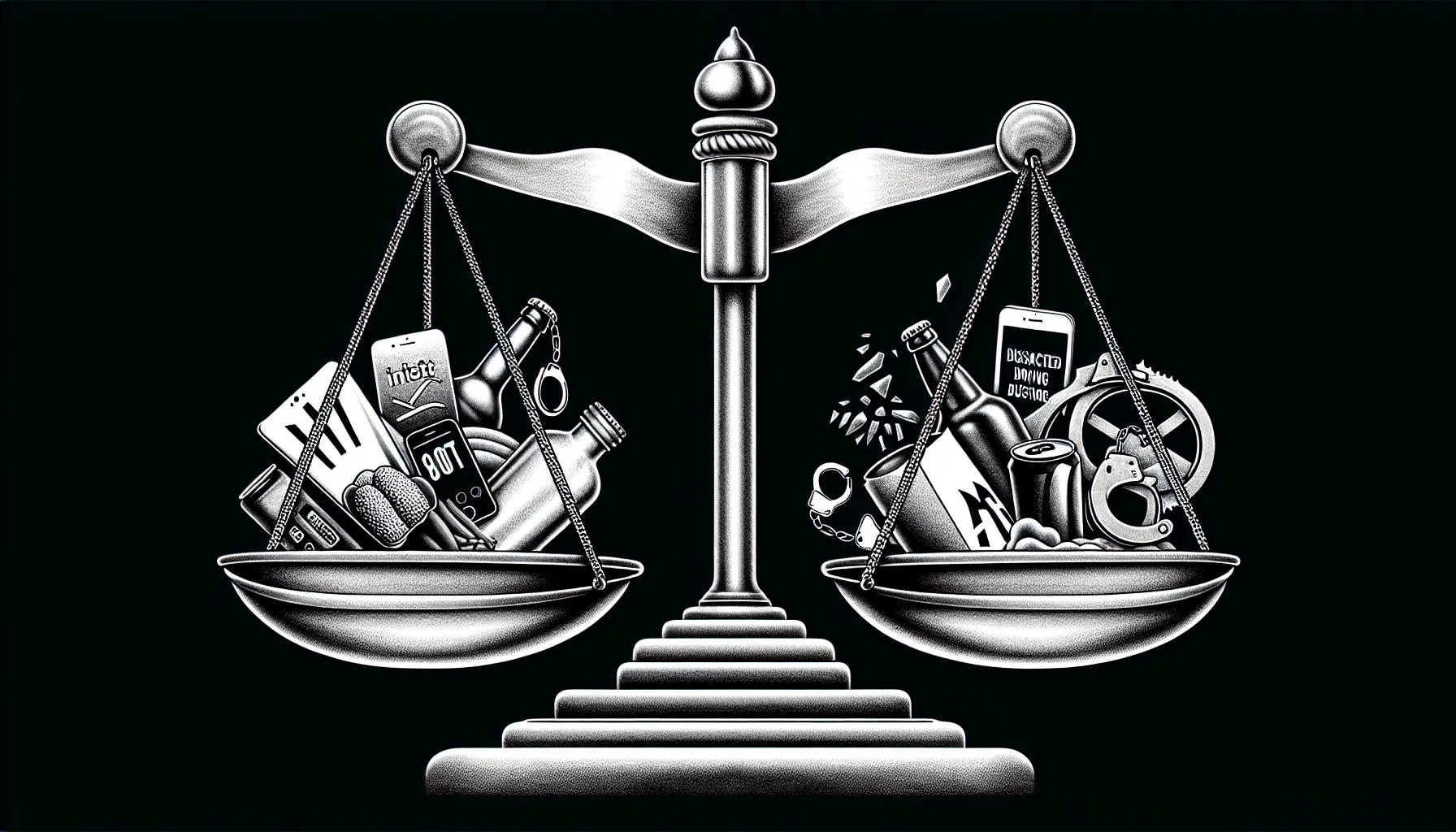
While both distracted driving and drunk driving pose significant dangers, the legal consequences for each differ markedly. In many states law enforcement treats distracted driving as a civil infraction, while drunk driving is classified as a misdemeanour with severe penalties. Georgia is stricter than most on the first count: a Hands-Free Law violation is itself a misdemeanour.
Understanding these differences in legal consequences is crucial for advocating for equal punishment for both offenses.
Legal Consequences for Distracted Drivers
In many jurisdictions distracted driving is a civil infraction rather than a criminal offence, with penalties limited to fines and licence points. Georgia is not one of them: holding or supporting a phone while driving is a misdemeanour under the Hands-Free Georgia Act, carrying a fine and points, and rising with each repeat offence within 24 months.
A significant majority of Americans support harsher penalties for texting while driving, advocating that such offenses should be treated as severely as drunk driving. This public opinion reflects the recognition of the dangers posed by distracted driving and the need for stronger distracted driving laws to enhance traffic safety.
Legal Consequences for Drunk Drivers
Drunk driving offences can lead to a combination of jail time, hefty fines and licence suspension. In Georgia, a first DUI conviction can bring up to twelve months in jail, a fine of $300 to $1,000, community service, and licence suspension. For repeat offenders within a five-year window the penalties escalate sharply, and a third conviction is a high and aggravated misdemeanour.
These stringent penalties reflect the severe public safety risk posed by drunk driving, and the need for tough enforcement to deter it. The disparity in punishment between distracted driving and drunk driving highlights the need for equal treatment of both offenses to ensure road safety.
Enforcement Differences Between Distracted and Drunk Driving
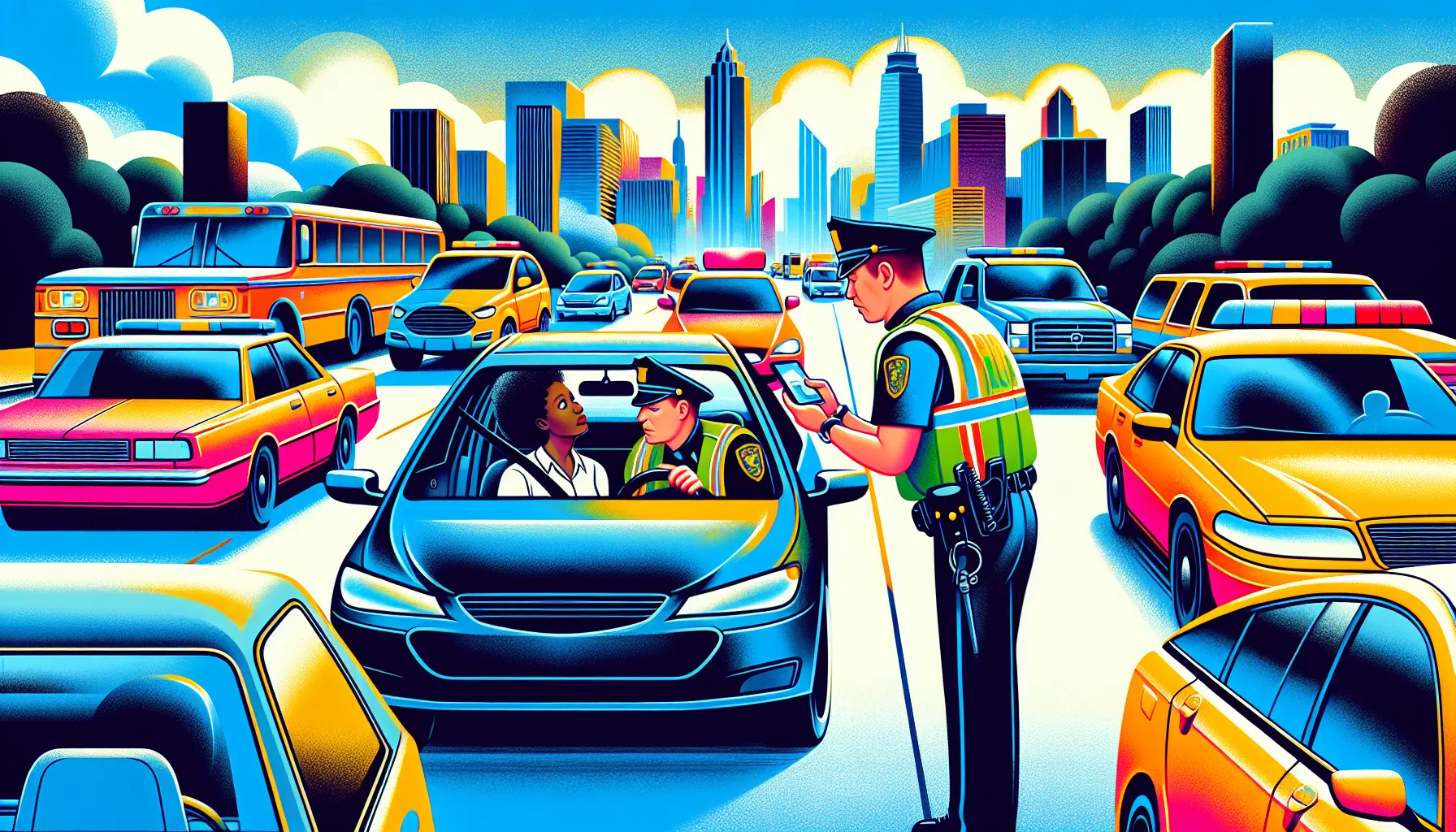
The enforcement of distracted driving and drunk driving laws differs significantly, affecting the effectiveness of penalties for each offense. In states where distracted driving draws only a civil infraction, the lighter consequence feeds a perception that it is less dangerous than drunk driving. Georgia treats it as a misdemeanour, but the perception gap persists all the same.
Advocating for equal penalties and stricter enforcement requires a grasp of these enforcement differences.
Police Officers’ Role in Distracted Driving Cases
Detecting distracted driving poses challenges for police officers, as they often do not check for phone use unless the crash was fatal. The lack of concrete evidence at the scene makes it difficult for officers to enforce penalties effectively. Officers often rely on subjective assessments and witness statements to address distracted driving incidents.
Law enforcement approaches distracted driving through observation and witness reports, while drunk driving cases often rely on chemical tests. This reliance on subjective judgment makes it harder to prove distracted driving, highlighting the need for stronger laws and better enforcement techniques.
Implied Consent Laws for Drunk Drivers
Implied consent laws require suspected drunk drivers to undergo chemical testing, a requirement that does not exist for distracted driving. These laws mandate that drivers must undergo testing for blood alcohol content if suspected of DUI, with other laws allowing law enforcement to administer breathalyzer tests without a warrant. Refusing a chemical test can result in immediate penalties, including license suspension and fines.
The enforcement of implied consent laws expedites the process of addressing drunk driving and car accidents and ensures that suspected offenders are held accountable. This legal framework highlights the disparity in enforcement between distracted driving and drunk driving, underscoring the need for similar enforcement mechanisms for both offenses.
Long-Term Consequences of Driving Offenses
Driving offenses, whether distracted or drunk driving, can have long-term consequences that extend beyond immediate legal penalties. These hidden repercussions can affect various aspects of a person’s life, including increased insurance costs, job loss, and reputational harm.
Understanding the full scope of consequences necessitates recognizing the deeper impacts of driving offenses.
Insurance Costs
Offenders may face significant increases in their insurance premiums following a driving offense. Insurance rates can increase by up to 100% after a conviction for distracted or drunk driving, placing a substantial financial burden on offenders.
Insurance companies typically consider a driver high-risk for up to three years after a driving offense, extending the financial impact for several years post-conviction.
Employment Implications
A record of driving offenses can significantly hinder job opportunities, especially in roles requiring driving. Employers may view serious driving offenses as indicators of poor judgment, impacting hiring decisions even for jobs unrelated to driving. This can lead to long-term career setbacks and reduced earning potential.
For positions that require driving company vehicles or maintaining a clean driving record, driving infractions can be particularly detrimental. The negative impact on job opportunities highlights the broader social and economic consequences of driving offenses, emphasizing the importance of enforcing stricter driving laws to deter such behavior.
Calls for Policy Change
The growing recognition of the dangers of distracted driving has led to calls for policy change. Public support for stricter laws against distracted driving is high, with polls showing around 90% approval for texting bans and about 70% for hand-held cell phone bans.
Enhancing road safety and ensuring fair treatment of all dangerous driving behaviors requires advocating for equal penalties for distracted driving and drunk driving.
Advocating for Stronger Distracted Driving Laws
Many states are increasing fines and penalties for distracted driving offenses to deter this hazardous behavior. Between 2018 and 2020, the number of states with hand-held phone bans increased significantly, reflecting a growing recognition of the need for stricter distracted driving laws. The implementation of the ‘three Es’—Enactment, Education, and Enforcement—has proven effective in changing driver behavior and reducing traffic incidents.
Implementing stronger distracted driving laws enhances traffic safety and reduces distracted driving accidents. Tougher laws, public education on the dangers, and consistent enforcement can create a safer driving environment for everyone.
Public Awareness Campaigns
Public awareness campaigns play a vital role in reducing distracted driving rates by educating drivers about the risks. These initiatives can significantly shift public perceptions about the severity of distracted driving. Effective strategies include using social media, workshops, and public service announcements to disseminate information about its dangers.
Integrating eye-opening statistics and personal stories into campaigns can enhance their impact and reach. Community involvement, such as support from local organizations and schools, plays a pivotal role in amplifying campaign messages. Collaboration with law enforcement and healthcare professionals can reinforce the campaign’s messages and broaden its outreach.
Summary
In summary, distracted driving and drunk driving are equally dangerous behaviors that pose significant risks to public safety. Despite this, the legal consequences and enforcement practices for each offense differ markedly. By understanding the dangers, advocating for stronger laws, and supporting public awareness campaigns, we can work towards equal penalties and safer roads. Let’s strive for a future where all dangerous driving behaviors are treated with the seriousness they deserve, ensuring a safer driving environment for everyone.
Frequently Asked Questions
What is the main difference between distracted driving and drunk driving?
The main difference between distracted driving and drunk driving lies in the cause of impairment; distracted driving results from activities that take attention away from the road, while drunk driving is caused by alcohol consumption that impairs motor skills and judgment. Both significantly increase the risk of accidents and should be avoided.
Why are the punishments for distracted driving and drunk driving unequal?
The unequal punishments stem from how each is classified. In most states distracted driving is a civil infraction with light penalties while drunk driving is a misdemeanour with much harsher ones. Georgia classifies both as misdemeanours, but the penalties remain far apart. This difference underscores the varying perceptions of risk and accountability associated with each behavior.
How does distracted driving affect reaction time?
Distracted driving severely impairs reaction time, as it diverts attention away from the road, making it difficult to respond to unexpected events promptly. This increased risk underscores the importance of staying focused while driving.
What are the long-term consequences of driving offenses?
Driving offenses can lead to lasting effects such as higher insurance premiums, potential job loss, and damage to one’s reputation. These consequences often extend well beyond the initial legal penalties.
How can we reduce the rates of distracted driving?
To effectively reduce distracted driving rates, we must implement stronger laws, increase public education about its dangers, and conduct awareness campaigns that showcase the serious consequences. This multi-faceted approach can lead to safer driving conditions for everyone.