
Key Takeaways
- Under O.C.G.A. § 9-3-33, a personal-injury claim from a Georgia car accident must be filed within two years of the crash — missing this deadline almost always extinguishes the claim entirely.
- Georgia's modified comparative negligence rule (O.C.G.A. § 51-12-33) reduces your recovery by your share of fault and bars it completely at 50%.
- Georgia Department of Transportation crash data consistently shows urban arterial roads, intersections, and entrance ramps as the leading crash locations across the state.
- Hit-and-run drivers violate O.C.G.A. § 40-6-270, but criminal prosecution does not pay medical bills — recovery comes through your own UM coverage under O.C.G.A. § 33-7-11.
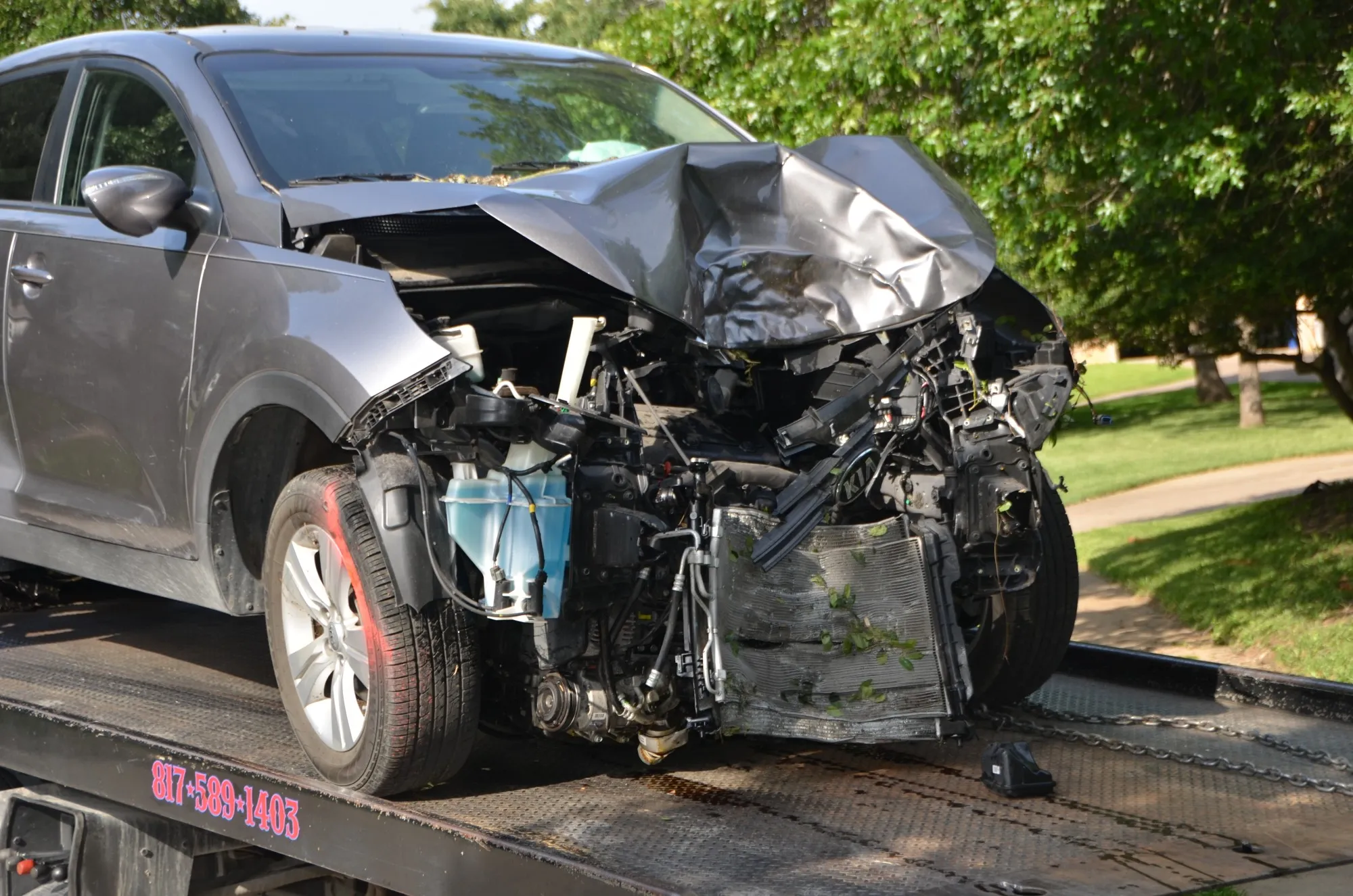
6 million car accidents occur in our country every year. As a result of these accidents, three million people are injured annually. If you’re experiencing back pain from a car accident, you’re not alone.
You don’t have to remain alone, either. Instead, you can work with a Georgia lawyer to receive the compensation you deserve. Our step-by-step guide on what to do after a car accident in Georgia can help you protect your rights from the very start.
Don’t let the upper back pain you’ve developed from a car accident ruin your life.
Instead, keep reading to learn what to do if you’re suffering from back pain from a car accident in Georgia. With these tips, you can make your case for a personal injury claim.
1. Go to a doctor
Back pain isn’t always acute. Post-accident adrenaline and endorphins often mask it, so back injuries frequently do not announce themselves until a day or two later.
Don’t wait until you experience back pain from the car accident.
Instead, see a doctor right away.
A doctor can diagnose your back injury and determine its severity. During your appointment, they might use:
- X-rays
- CT scans
- MRIs
- Myelograms
- Bones scans
These tests will help them diagnose your injury.
Some back injuries are short-term, and therefore only need temporary treatment. Possible treatment includes:
- Injections for inflammation
- Pain medication
- Physical therapy
- Chiropractic care
Serious back injuries, on the other hand, might require a surgical procedure to alleviate your pain. Pressure on your spinal cord or the surrounding nerves could cause you to develop chronic pain. During the surgery, your surgeon might need to remove parts of the vertebrae or remove a ruptured disk.
Then, they’ll need to fuse the vertebrae together.
The sooner you are evaluated, the sooner you can receive the treatment you need.
Possible Injuries
Your back pain can last between a few months or a lifetime. It depends on the severity and type of injury.
Are you experiencing upper left back pain from a car accident? Maybe you’re noticing a sharp pain in your upper back. Regardless, here are a few common injuries that often result after a rear-end collision:
- Muscle strain
- Whiplash
- Herniated discs
- Shifted and fractured spinal vertebrae
Back, neck, and shoulder pain are all common after a car accident. Other symptoms can include muscle strain and headaches. Visiting a doctor can help treat your back pain after a car accident before it gets worse.
2. Speak with a car accident attorney
After your car accident, make sure to speak with a qualified car accident attorney about what happened. However, it’s important you speak to a doctor beforehand. That way, you’ll have pertinent information the attorney can use to assess your case.
Proper treatment for your upper back pain can get expensive. You might also need chiropractic care or physical therapy. Either way, these expenses will all add up.
An auto accident lawyer can evaluate your case and medical records.
With their help, you can seek the compensation you deserve. That way, you can receive treatment without stressing out over your medical bills.
3. Follow the treatment plan you are given
What treatment you need is a medical question, and it is your physician's to answer — physical therapy, chiropractic care, injections, or referral to a specialist, depending on what the imaging and examination show.
What matters from a claim's point of view is simpler: go to the appointments, and follow the plan through.
Gaps in treatment are the first thing a defence adjuster looks for, because an unexplained six-week break is easy to characterise as recovery. So is treatment that continues long past the point where a physician recommended it — the argument there is that it was generated for the claim rather than for the injury.
Neither helps you. Let the treating physician decide what is needed, and keep to it.
Have Questions About Your Case?
Get a free consultation with an experienced Georgia accident attorney.
4. Don’t sign anything yet
Don’t sign anything from an insurance company right away. Instead, make sure a medical professional has the time to completely evaluate your injuries. This might include giving your treatment time to work as well.
Signing a release with your insurance company could prohibit you from receiving full compensation for your injuries.
5. Keep records
As you receive treatment from different doctors, chiropractors, and other professionals, make sure to keep track of your back pain. Receipts and other documentation will help you receive a fair settlement from the insurance company.
These documents will help your lawyer throughout your case.
Otherwise, you won’t have evidence of what you endured as a result of the accident.
6. Consider pursuing the at-fault driver
There were 4.6 million medically consulted injuries that resulted from car accidents in 2017. Meanwhile, total vehicle injury costs were estimated at $433.8 billion.
Georgia is not a no-fault state, so your claim runs against the at-fault driver's insurer rather than your own. Your own policy still matters in two ways: MedPay, if you carry it, pays medical bills regardless of fault, and uninsured motorist coverage applies where the at-fault driver has too little insurance or none.
MedPay limits are usually modest, and MedPay does not cover lost wages or pain and suffering at all. Everything beyond immediate medical bills has to come from the at-fault driver — so if you suffered severe back or wrist pain in the crash, that is where those damages are pursued.
In practice that means opening the claim with the at-fault driver's insurance company first.
Personal damages include:
- Medical bills
- Out-of-pocket expenses
- Lost wages
- Pain and suffering
Property damage, on the other hand, can include the cost to repair your car. It can also cover the cost of a rental or the value of a car if it’s totaled. Property damage claims can also cover phones, glasses, or other items damaged in the crash.
See to your spine: what to do if you’re suffering back pain from a car accident
An experienced personal injury attorney can help if you’re suffering from back or hip pain from a car accident. They’ll ensure you receive the compensation you deserve. That way, you can get back on your feet without lengthy medical bills impeding your recovery.
Auto accidents are the only cases we take. Contact us today and we will tell you what your case involves.
Frequently Asked Questions
Should I give a recorded statement to the other driver’s insurer?
No. The adjuster’s job is to minimize the payout, and recorded statements are mined later for any admission of fault, exaggeration, or inconsistency. You can decline politely and refer them to your attorney or your own insurer.
How is fault determined in a Georgia car accident?
Fault is determined through the police report, scene photos, witness statements, traffic-camera footage where available, vehicle damage patterns, and (for serious crashes) accident-reconstruction analysis. Insurance adjusters apply Georgia’s comparative-negligence rule under O.C.G.A. § 51-12-33 when allocating fault percentages.
How long do I have to file a car-accident claim in Georgia?
Two years from the date of the crash under O.C.G.A. § 9-3-33 for personal injury and wrongful death. Property-damage-only claims have four years under O.C.G.A. § 9-3-32. Missing the deadline almost always bars the claim entirely, even if the at-fault driver clearly caused the crash.
What is modified comparative negligence in Georgia?
Under O.C.G.A. § 51-12-33, a Georgia plaintiff who is less than 50% at fault can still recover, but their damages are reduced by their percentage of fault. At 50% or more, recovery is barred entirely. This is why insurance adjusters work hard to assign you any percentage of fault they can.