
Key Takeaways
- Incontinence after a car accident can stem from physical trauma to the bladder, nerve damage especially related to the spinal cord, and mental stress, leading to symptoms like urinary urgency and pelvic pain.
- Proper and immediate medical evaluation and treatments, such as surgery, medication, and various catheterization techniques, are essential to manage post-accident bladder issues and prevent long-term complications.
- Individuals suffering from post-accident incontinence may seek compensation for their injuries through legal channels and can support recovery through lifestyle adjustments like pelvic floor exercises.
- Georgia personal-injury claims must be filed within two years of the crash under O.C.G.A. § 9-3-33, with modified comparative negligence under O.C.G.A. § 51-12-33 reducing recovery by the plaintiff's share of fault.
- According to the National Highway Traffic Safety Administration, proper documentation of the crash scene, medical records, and lost income within days of the crash significantly improves case outcomes.
- Georgia requires only $25,000 per person and $50,000 per crash in liability coverage — minimums set in 2009 and unchanged in over 15 years, leaving most serious-injury claims under-covered by the at-fault driver alone.
- If you were injured in a Georgia crash, a Georgia car accident lawyer can evaluate insurance coverage, fault allocation, and damages — review our case results for representative outcomes and schedule a free consultation through our contact page.
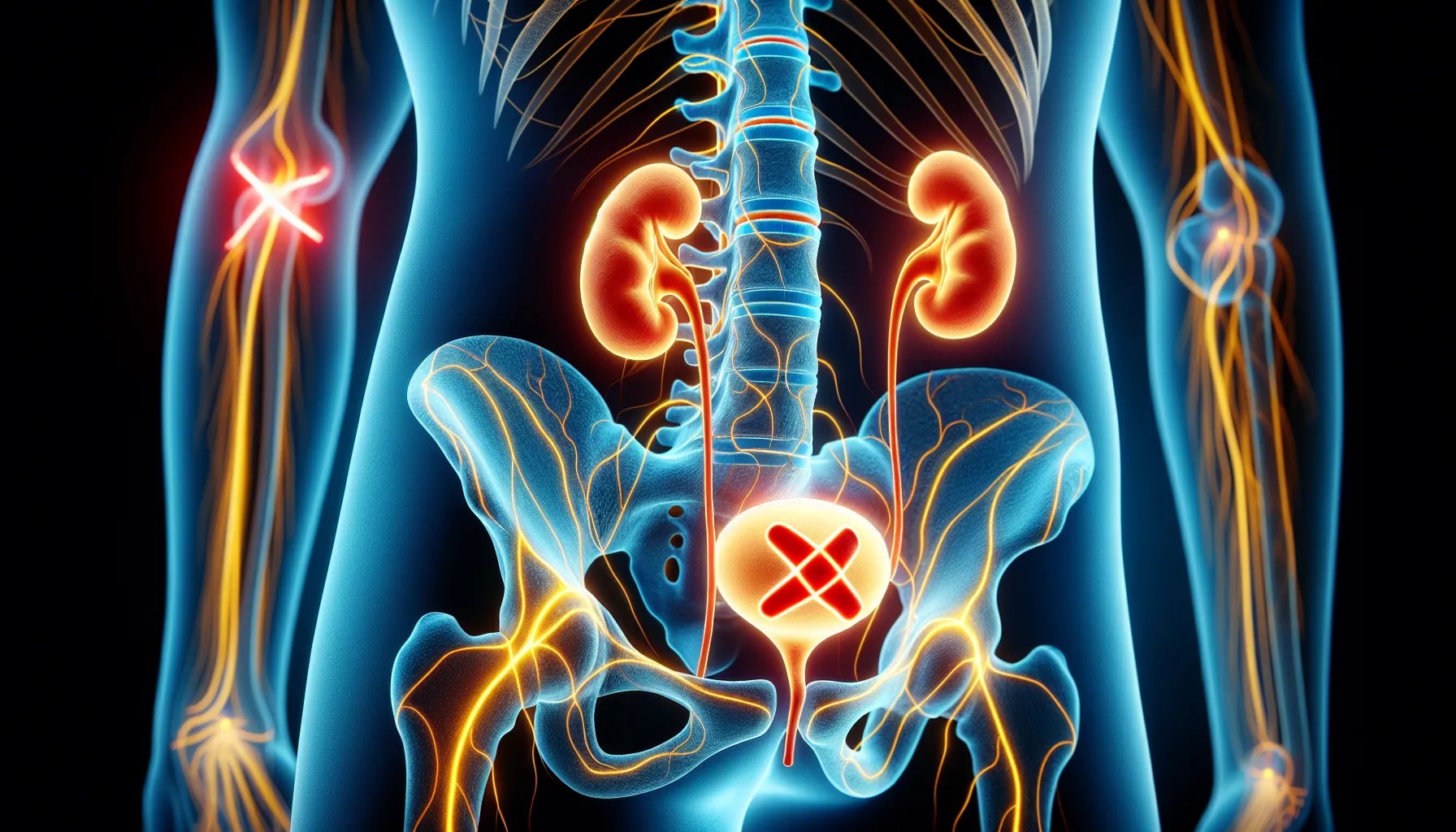
Struggling with incontinence after a car accident can be unexpected and alarming. This guide delves into the whys and hows of post-accident incontinence, offering a clear understanding of its potential causes—such as physical trauma and nerve damage—and a path towards effective treatment and recovery. Whether you’re coping with this condition or helping a loved one, we provide crucial insights into managing and overcoming incontinence after a car accident.
Understanding Incontinence Following a Car Accident
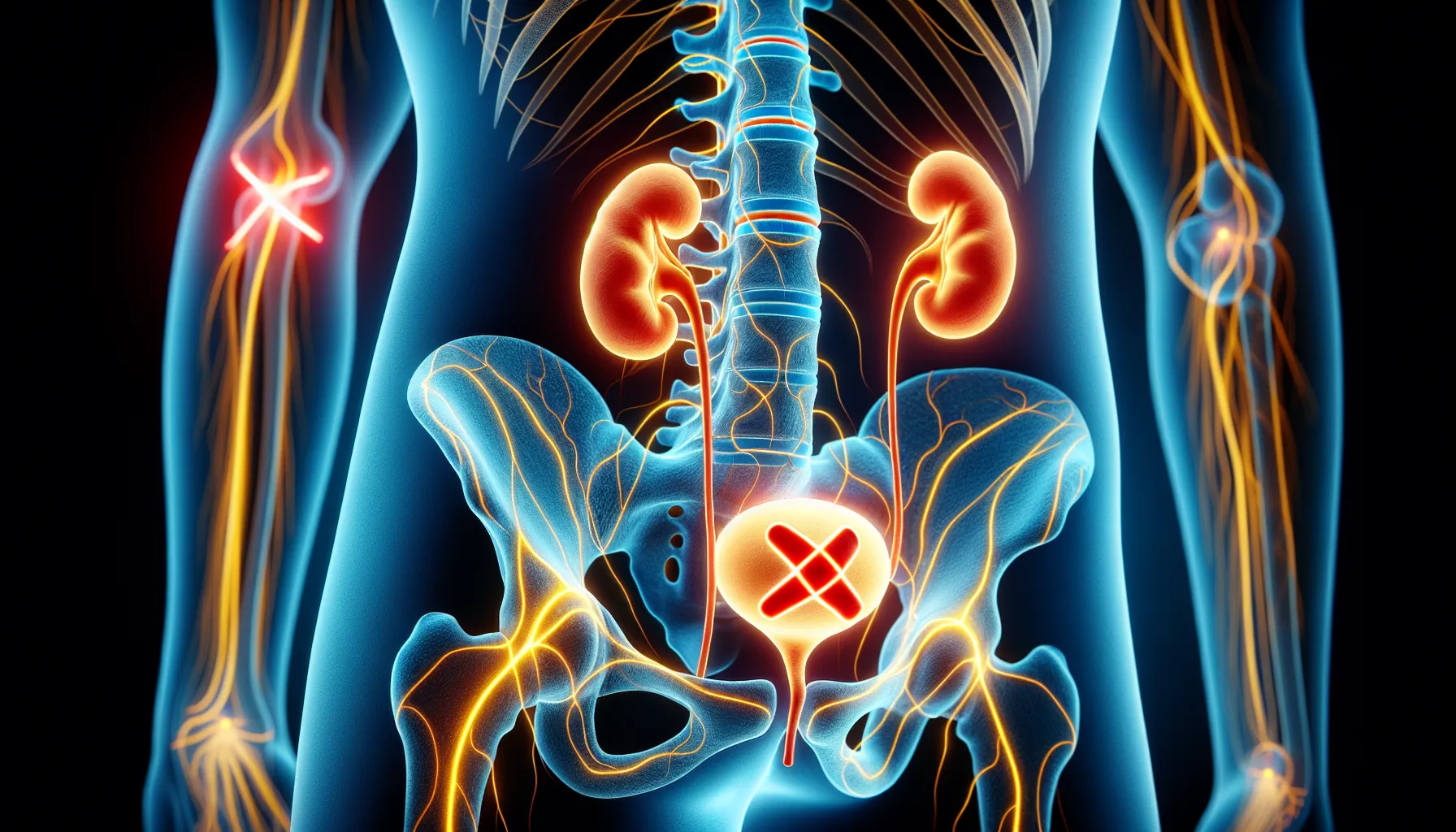
The aftermath of a car accident can be a whirlwind of doctor visits, treatments, and therapies. Amid all this, a sudden struggle with incontinence can feel like a cruel twist of fate. Yet, bladder issues such as incontinence are not uncommon following a serious car accident either, typically due to physical trauma, stress, and specific internal injuries sustained.
Bladder injuries can stem from direct trauma like bone fractures and abdominal injuries or from severe damage to the bladder itself. The symptoms may include incontinence, urinary urgency, pelvic pain, and difficulty emptying the bladder. Notably, the mental and physical stress of being injured in a car accident can also negatively affect the urinary system and impact bladder control, sometimes causing immediate loss of bladder control due to shock.
Traumatic Impact and Bladder Control
The force of a car crash can cause bladder trauma, potentially leading to:
- Temporary or permanent loss of bladder control
- Blunt-force injury
- Penetration
- Pelvic fractures that compromise bladder integrity
- Abdominal penetration that may result in bladder rupture.
Bladder trauma from a serious car accident can result in severe pain and may lead to serious long-term consequences, including incontinence. While bladder trauma from car accidents is rare, it is a critical issue post-collision, emphasizing the need for attention to bladder health following a serious car accident.
Nerve Damage Leading to Incontinence
Spinal cord injuries from car accidents can disrupt the nerve signals within the brain and nervous system, particularly affecting the spinal cord’s control over bladder and bowel function. Understanding how a spinal cord injury influences these functions can help in managing the resulting issues, which can manifest as:
- Urinary incontinence
- An inability to empty the bladder
- Urinary frequency
- Urinary tract infections
Such spinal injuries more frequently result in nerve damage that causes urinary incontinence, with damage above T12 leading to a reflex or spastic bladder, characterized by involuntary bladder emptying.
Moreover, a form of incoordination known as detrusor sphincter dyssynergia may also occur due to spinal cord damage, particularly in the sacral area, leading to increased bladder pressure and risks such as urine flowing back to the kidneys. After the initial phase of spinal shock, the sacral micturition center might trigger bladder contractions; however, spinal cord injuries may still prevent the brain’s signals from reaching the bladder, thus misregulating the timing of bladder contractions and leading to incontinence.
The Role of the Sacral Spinal Cord in Bladder Management
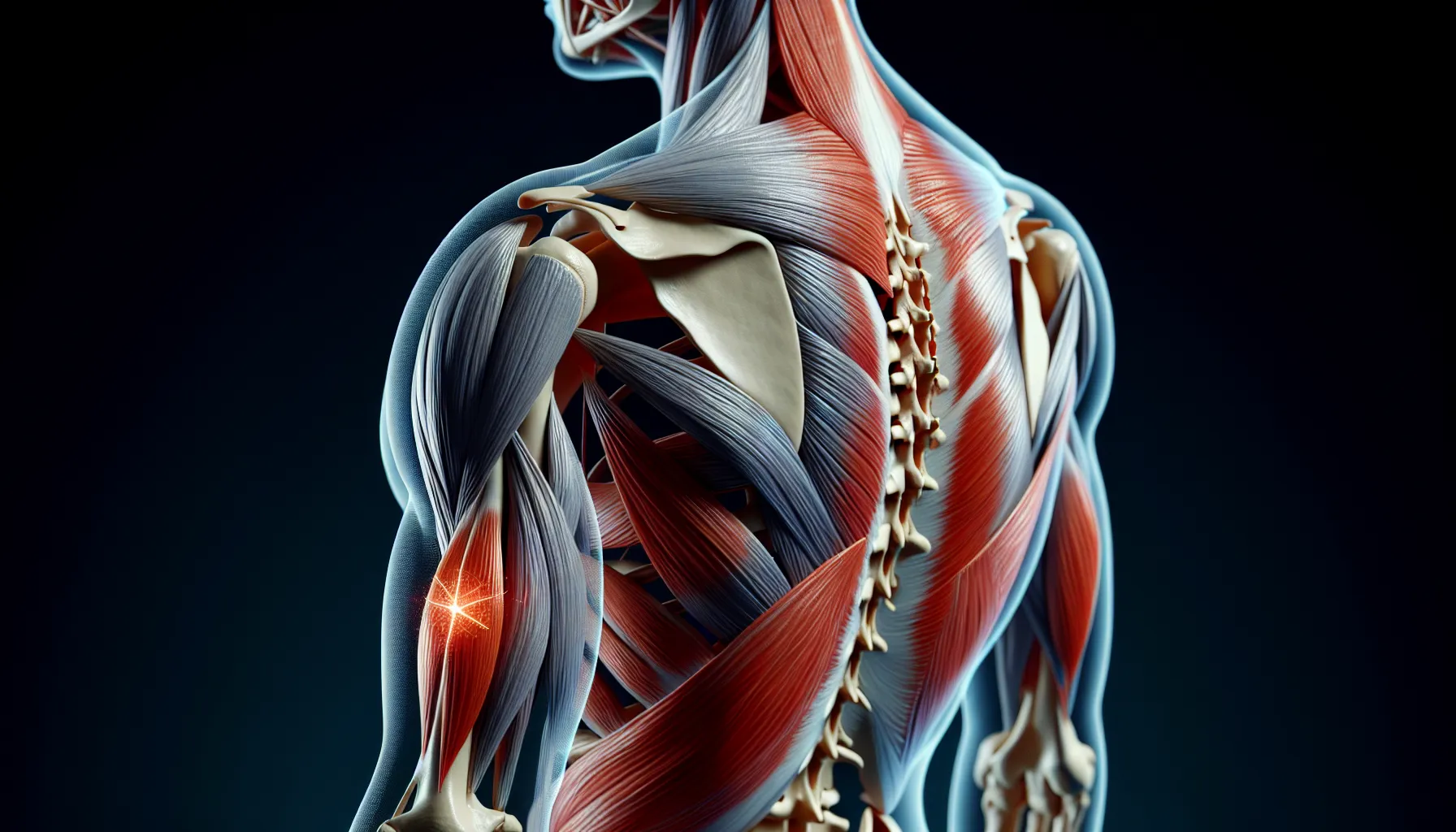
The sacral spinal cord plays a pivotal role in healthy bladder functioning. It is responsible for transmitting information for bladder and sexual function, and for controlling the bladder and bowel external sphincters and some leg muscles. The sacral micturition center, at the lowest part of the spinal cord, is critical for signaling the brain when the bladder needs to be emptied and controls the sphincter muscles that regulate urine flow.
However, spinal shock following a spinal cord injury can initially cause the bladder not to contract, potentially lasting for months or years. Moreover, supra-sacral spinal cord injuries impede communication between the sacral voiding center and the brain, leading to involuntary bladder contractions. Thus, maintaining the health of the sacral voiding center and spinal cord is crucial for healthy functioning, signaling bladder fullness and coordinating the muscle movements necessary for urine storage and release.
How Damage Affects Bladder and Bowel External Sphincters
Injuries to the spinal cord can lead to upper motor neuron bowel syndrome or lower motor neuron bowel syndrome, both of which affect sphincter control and potentially cause incontinence. Upper motor neuron (UMN) bowel syndrome, resulting from injuries above L1, disrupts the communication between the brain and the nerves that control the external sphincter, leading to involuntary stool release, with symptoms similar to those of bladder control issues.
Damage to the sacral micturition center can cause neurogenic overactive bladder, characterized by involuntary contractions of the bladder muscle and uncontrolled urine release, as well as detrusor sphincter dyssynergia, where the bladder and sphincter do not work together properly, resulting in urinary retention.
Importantly, injuries at or below the sacral micturition center can prevent effective bladder squeezing, leading to urinary incontinence in the event of overflow, and can also result in an underactive bladder or non-reflex bladder, increasing the risk of urinary tract infections and urine retention.
How a Crash Damages the Urinary System
Incontinence after a collision arises through several distinct mechanisms, and which one applies matters both to treatment and to a claim.
- Neurological injury. Damage to the sacral spinal cord or the nerves running to the bladder interrupts the signals controlling the sphincter. This is the mechanism behind most permanent cases.
- Direct trauma. A seat belt across the lower abdomen, or an impact against the steering wheel, can bruise or rupture the bladder itself — a full bladder at the moment of impact is markedly more vulnerable.
- Pelvic fracture. Fractures of the pelvic ring frequently involve the bladder and urethra, and are among the most common causes of post-crash urinary injury.
- Pelvic floor damage. Soft-tissue injury to the muscles supporting the bladder can produce stress incontinence that appears days or weeks later.
That delayed onset matters. Symptoms that begin after the initial hospital visit are the ones insurers most often attribute to something other than the crash, which is why raising them with a doctor promptly — however uncomfortable — protects both your health and your claim.
Have Questions About Your Case?
Get a free consultation with an experienced Georgia accident attorney.
Medical Treatment Options for Post-Accident Incontinence

Immediately seeking medical attention is crucial for avoiding long-term complications of bladder-related injuries from car accidents. A urologist experienced in handling car accident bladder injuries is essential for a proper diagnosis and effective treatment of post-accident bladder issues.
In cases of severe bladder trauma, such as bladder rupture, the following treatments may be necessary:
- Surgery to repair the damage
- Medications to enhance bladder function and manage bowel movements
- Diagnostic equipment like X-rays and CT scans to identify bladder and pelvic injuries
These treatments are often used after sustaining injuries from a car accident.
Surgical Interventions and Reconstructive Procedures
Reconstructive surgery can aid in restoring bladder control after a spinal cord injury, addressing incontinence issues. For instance, augmentation cystoplasty is a reconstructive procedure that enhances bladder capacity and function in individuals with neurogenic bladder dysfunction due to spinal cord injury.
Augmentation ileocystoplasty has demonstrated effectiveness in managing incontinence over a long-term period, showing positive outcomes up to a decade post-surgery. Other surgical solutions include artificial urinary sphincter implantation for patients with stress urinary incontinence stemming from neurogenic bowel or bladder dysfunction, and transurethral sphincterotomy, which provides relief from autonomic dysreflexia, a serious condition, while also helping in the management of incontinence.
Bowel Management Therapy and Continuous Catheter Drainage
Clean intermittent catheterization is a method used to manage urinary incontinence. This involves inserting a catheter through the urethra to empty the bladder as needed after a car accident. Continuous catheter drainage, on the other hand, is an ongoing incontinence management technique where a catheter is placed for constant urinary flow, inserted through the urethra or abdominal wall, which can be particularly helpful for those with impaired bladder function from an accident.
Bowel management therapy for incontinence after a car accident can involve a scheduled program using suppositories or enemas to train the bowel for regular, predictable movements. Such strategies can significantly improve the quality of life for those dealing with post-accident incontinence.
Seeking Help from a Car Accident Chiropractor
Misalignment in the spine resulting from a car accident can disrupt normal bladder function, potentially causing incontinence and an increased sense of urgency. Chiropractic care aims to restore spinal alignment, which can alleviate bladder symptoms and reduce inflammation affecting the nervous and urinary system.
Addressing whiplash and soft tissue injuries, chiropractic therapy facilitates healing through a combination of spinal adjustments, joint mobilization, and individualized rehabilitative exercises. In addition to structural alignment, chiropractic treatments help improve nervous system function, mitigating symptoms of spinal injuries like pain and numbness, and improving overall nerve health and range of motion after a car accident.
Legal Advice: Recovered Compensation for Incontinence Issues

Individuals who have suffered bowel or bladder damage due to someone else’s negligence in a car accident may be entitled to compensation for their injuries and associated suffering. This compensation can cover:
- Medical expenses
- Home adaptations
- Lost earnings
- Pain and suffering
Specialized car accident attorneys can provide the necessary expertise and compassion to handle cases involving bladder injury from car accidents, helping the affected parties receive appropriate compensation. They can also assist in recovering damages for both immediate and long-term effects of bladder injuries sustained from car accidents.
Georgia divides these losses into economic damages — medical costs, supplies, lost income — and non-economic damages for pain, suffering and loss of enjoyment of life. There is no fixed schedule; the value turns on severity, permanence and the effect on daily living.
The deadline is two years from the date of the crash under O.C.G.A. § 9-3-33. Where the injured person is a minor, the limitation period is tolled until they turn 18. Because these deadlines are strict and the exceptions narrow, speak to a Georgia personal-injury lawyer well before the two years is up.
Is Loss of Bladder or Bowel Control Compensable in Georgia?
Yes — and it is often worth considerably more than people assume, because the loss reaches almost every part of daily life.
Georgia allows recovery for both economic and non-economic harm, and incontinence generates both:
- Medical costs, past and future — investigations, specialist care, medication, pelvic floor therapy, and surgery where it is indicated.
- Ongoing supply costs. Pads, catheters and protective clothing are a genuine recurring expense over a lifetime and are routinely underclaimed.
- Lost income and diminished earning capacity, particularly where the work involves being away from facilities.
- Pain and suffering, and loss of enjoyment of life. Georgia sets no statutory cap on non-economic damages in an ordinary personal-injury case — the cap the legislature enacted for medical malpractice was struck down as unconstitutional in Atlanta Oculoplastic Surgery v. Nestlehutt (2010).
- Loss of consortium, claimed by a spouse where the injury affects the marital relationship.
Two practical points decide what these claims are actually worth.
First, documentation. This is the injury people are least willing to describe to a doctor, and a gap in the record is exactly what an insurer uses to argue the problem is unrelated or exaggerated. Tell your treating physician plainly, and keep doing so.
Second, permanence. Where the loss is lasting, the claim moves from a treatment-cost calculation into life-care planning — decades of supplies, care, and the effect on work and relationships. Do not settle a case involving nerve or spinal involvement before the medical picture is settled; a resolved claim cannot be reopened when the prognosis turns out worse than expected.
Fault still governs recovery. Georgia apportions damages under O.C.G.A. § 51-12-33, so your share of blame reduces the award and bars it entirely at 50%, and you have two years from the crash to file suit under O.C.G.A. § 9-3-33.
Lifestyle Adjustments and Coping Strategies
Pelvic floor exercises can strengthen the muscles that support the bladder and bowel, which is crucial for those suffering from incontinence after being injured in a car accident. Regularly performing these exercises, targeting the pelvic area and around the pelvic bones, three times a day by holding the squeeze for 5 to 10 seconds, resting for four seconds, and repeating up to 10 times, can enhance muscle function and control.
Additionally, building pelvic floor muscle responsiveness by quickly tightening the muscles during stresses like coughing and sneezing can further improve bladder control. Aim for up to 20 repetitions of these exercises to strengthen the muscles and mitigate the effects of incontinence.
Summary
Incontinence following a car accident is a complex issue, influenced by factors ranging from physical trauma to mental stress. Understanding the role of the sacral spinal cord in bladder function, the implications of nerve damage, and how trauma can impact bladder control is crucial.
While medical treatments, including surgical interventions, bowel management therapy, and continuous catheter drainage, can help manage incontinence, lifestyle adjustments also play a significant role. Pelvic floor exercises, coupled with chiropractic care, can mitigate symptoms and improve bladder control. Lastly, legal recourse is available for those seeking compensation for their suffering.
Frequently Asked Questions
What is adjustment disorder after a car accident?
Adjustment disorder after a car accident is a mental health condition that can cause extreme stress and difficulty in adjusting to life after the serious car accident injuries or crash, impacting emotions, behavior, and daily functioning.
What are the symptoms of trauma after a car accident?
The symptoms of trauma after a car accident may include flashbacks or reliving the car crash itself, nightmares, avoiding thinking or talking about the accident, emotional numbness, loss of interest in previously enjoyed activities, and feeling hopeless about the future. It’s important to seek help if you experience any of these symptoms.
Can a car accident mess up your bladder?
Yes, a car accident can potentially cause serious damage to the bladder due to the impact and force involved in the collision. It’s important to seek medical attention if you experience any bladder-related symptoms after an accident.
What causes incontinence after a car accident?
Incontinence after a car accident can be caused by spinal cord damage, leading to paralysis and resulting in urinary incontinence. It’s important to seek medical attention and treatment to address this issue.
What are some medical treatment options for post-accident incontinence?
Medical treatments for post-accident incontinence may include immediate medical attention, proper diagnosis, surgery for severe bladder trauma, medications to enhance bladder function and manage bowel movements, and diagnostic equipment like X-rays and CT scans to identify injuries. It’s important to seek medical advice promptly for the best outcome.