
Key Takeaways
- Georgia's statute of limitations for car-accident injury claims is two years from the crash date under O.C.G.A. § 9-3-33. Property-damage-only claims have four years under O.C.G.A. § 9-3-32.
- Georgia uses modified comparative negligence under O.C.G.A. § 51-12-33 — recovery is reduced by your percentage of fault and barred entirely at 50% or more.
- According to the National Highway Traffic Safety Administration's 2024 traffic fatality estimates, an estimated 39,345 people died in U.S. traffic crashes in 2024 — down 3.8% from 40,901 in 2023 and the first year below 40,000 deaths since 2020.
- Uninsured-motorist (UM) coverage under O.C.G.A. § 33-7-11 is the primary recovery path when the at-fault driver flees, has no insurance, or carries the state minimum of $25,000.
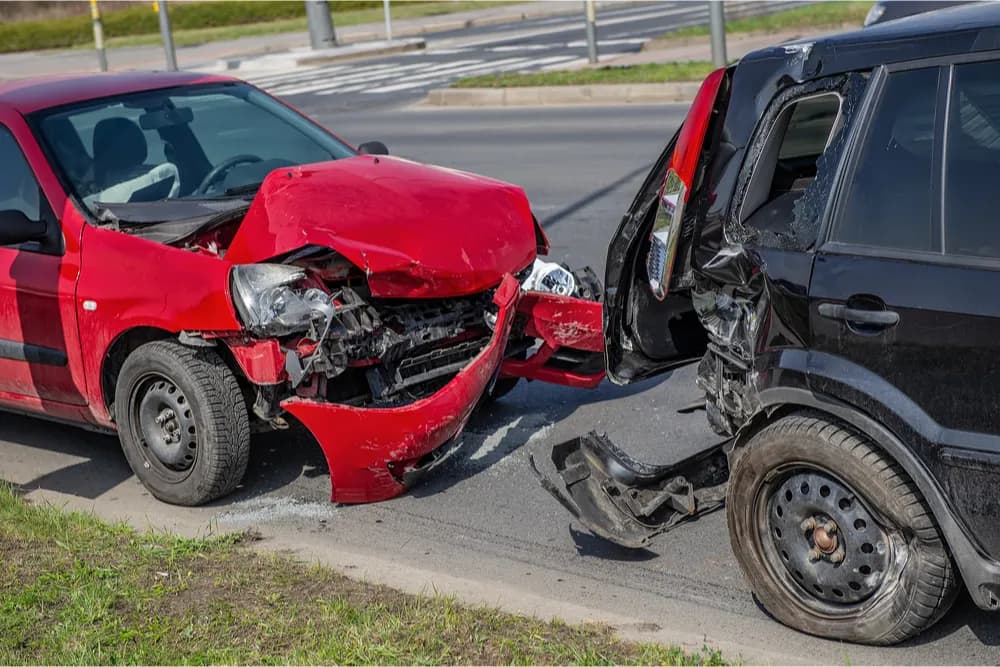
A rear-end collision can change your life in a fraction of a second. According to the National Highway Traffic Safety Administration, almost one-third of all reported crashes are rear-end collisions. Such an incident can leave you with permanent emotional and physical injuries.
Rear-end accidents happen every day because they have seemingly simple causes related to distractions and absent-mindedness. You may be arguing with your spouse, trying to get your children in the back seat to settle down, or letting your mind drift as you think about plans for the weekend.
Anything that takes your mind away from the immediate conditions of the road can contribute to a rear-end crash. Here are some of the most common auto accident-related injuries and how you can earn compensation.
What Happens When You Get Rear-Ended
You have kinetic energy in your body while driving. This form of energy naturally occurs anytime you are in motion. Usually, when you stop a car, the kinetic energy dissipates in the form of heat through the brakes. A rear-end crash doesn’t afford you the time to transition that energy out gradually, so it arrives as a jolt.
While the car absorbs some of the energy during the rear-end collision, your body does too. The impact may feel like a punch to your head, spine, neck or chest. If the rear-end car accident carries enough force, it can cause broken bones, bruising, and lung injuries.
Most Common Injuries in a Rear-End Collision
Whiplash
Whiplash occurs in conjunction with sudden and forceful pressure on the neck. If you are in a car accident, your head may jolt backward from the momentum at impact, similar to cracking a whip. The soft tissue injury can leave you with neck pain, stiffness, limited range of motion, headaches, dizziness, and fatigue.
Spine and Back Injuries
Spine and back injuries are the most severe if you do not have time to brace yourself. The collision can cause lingering soreness, pain, and stiffness in your muscles and soft tissue. More dramatic cases of severe injuries can alter your quality of life because of broken vertebrae or pinched nerves.
Head and Brain Injuries
You may sustain a head or brain injury, even if you’re driving at low speeds. If the airbag deploys, it can cause burns, scrapes, or lacerations on your face. A direct impact to your skull can result in severe concussions or brain trauma. If you blackout during or after the accident, there’s a good chance you may sustain brain damage.
Broken Bones
Broken collar bones are commonplace in rear-end car crashes because the seatbelt goes over your clavicle. The strap rips the bone from the muscle during the car accident, and it can potentially puncture your lungs. You may also break the bones in your hand or wrist as you brace for impact.
Paralysis
According to the Christopher and Dana Reeve Foundation, roughly 5.4 million Americans live with some form of paralysis, and motor vehicle crashes are one of the leading causes. Paralysis occurs because of significant damage to the spine or brain. The condition may be irreversible, even with physical therapy and medical treatment.
What to Do if You’re in a Rear-End Collision
Seek medical attention following any car accident. Often, you may not realize that you have sustained an injury, so it’s wise to seek medical attention and get checked over by medical personnel or paramedics anyway.
Treating an injury takes priority over exchanging information or documenting the scene. If law enforcement officers arrive, they can take care of recording the crash and filing the paperwork.
If you do not sustain a personal injury, share your contact and insurance information with the other driver. You should also take photos of the vehicles involved and videos of wreckage, which you can later use as evidence. Be sure to document your injuries, vehicle damage, and weather conditions.
Once the dust clears and everyone receives proper medical care and attention, fault has to be worked out — first by the insurers, and by a court if they disagree. Georgia is a “fault” state (as opposed to a “no-fault” state), which means the driver responsible for causing the accident pays compensation for injuries and damages. You and the other driver may share fault, such as a 60-40 split, in which case each side’s recovery is reduced by their own percentage. Under O.C.G.A. § 51-12-33, a driver who is 50% or more at fault recovers nothing at all.
Even if you believe you’re responsible for hitting another vehicle, do not admit fault. You’re free to express concern for the other driver, but admitting fault will undercut your case during insurance negotiations or at trial. Discuss fault only with your own attorney or your own insurer.
Your potential compensation will depend upon your injuries and which driver is at fault. A minor rear-end accident may resolve for a few thousand dollars; a crash producing surgery, permanent impairment, or long-term lost income can be worth many multiples of that. No honest figure can be quoted in advance — the value turns on the medical record, the wage loss, the available policy limits, and the share of fault assigned to each driver.
How to Avoid Rear-End Collisions
Sometimes a rear-end collision is unavoidable. Despite your best efforts to drive carefully, the driver behind may tailgate you — and when you approach a red light, they may hit the brakes too late. While tailgating causes the most rear-end collisions, other common causes include driving under the influence, distracted driving, poor weather, and abrupt stops.
The two-second rule minimizes your chances of a car accident. The first iteration of the rule states that you should never take your eyes off the road for more than two seconds. Anything longer than two seconds is enough for you to drift into another lane or close on the vehicle in front of you.
The other version of the two-second rule deals with distance. It says you should keep two seconds’ worth of space between you and the vehicle ahead of you. The gap reduces the chance of tailgating and provides an ample cushion if the driver ahead slams on the brakes.
Remaining vigilant and paying attention while driving goes a long way in preventing rear-end collisions. Check your blind spots and regularly glance at your rearview and side mirrors to locate other cars. You should always think ahead about what other vehicles and drivers may do.
Contact Georgia Auto Law Today
Do you have injuries from a car accident? Our car accident lawyers at Georgia Auto Law can help. We will work with you to help you earn the compensation you deserve.
Get a free consultation for your case by calling us at (404) 662-4949 or filling out our online contact form today. Please provide as much detail as possible about your case, and one of our lawyers will get back to you shortly. We look forward to hearing from you.
FAQs
Q1: What are some of the most common injuries associated with rear-end collisions?
A1: Common injuries from rear-end collisions include whiplash, spine and back injuries, head and brain injuries, broken bones, and in severe cases, paralysis.
Q2: What immediate actions should I take if I’m involved in a rear-end collision?
A2: Seek immediate medical attention even if you feel fine, as some injuries may not be immediately apparent. Exchange contact and insurance information with the other driver if you’re able, and take photos or videos of the vehicles and the damage for evidence. Don’t admit fault at the scene; this should be determined later through an investigation.
Q3: How is fault determined in a rear-end collision in a “fault” state like Georgia?
A3: In “fault” states like Georgia, the driver responsible for causing the accident pays for injuries and damages. Fault can be shared between the drivers — in a 60-40 split, for instance, though a driver who is 50% or more at fault recovers nothing. The exact determination of fault is made based on police reports, witness statements, and often, the findings of insurance companies.
Q4: What factors can influence the compensation received from a rear-end collision?
A4: Compensation depends on the severity of injuries and the degree of fault. A minor rear-end accident may resolve for a few thousand dollars, while a crash involving surgery or permanent impairment can be worth far more. Anyone quoting you an average before reading the medical record is guessing.
Q5: How can I reduce the risk of being involved in a rear-end collision?
A5: Following the two-second rule can greatly reduce the risk. This involves not taking your eyes off the road for more than two seconds and keeping at least two seconds worth of space between your vehicle and the one in front of you. Regularly checking mirrors, avoiding distractions, and anticipating other drivers’ actions can also help prevent such accidents.
Frequently Asked Questions
How long do I have to file a car-accident claim in Georgia?
Two years from the date of the crash under O.C.G.A. § 9-3-33 for personal injury and wrongful death. Property-damage-only claims have four years under O.C.G.A. § 9-3-32. Missing the deadline almost always bars the claim entirely, even if the at-fault driver clearly caused the crash.
What is modified comparative negligence in Georgia?
Under O.C.G.A. § 51-12-33, a Georgia plaintiff who is less than 50% at fault can still recover, but their damages are reduced by their percentage of fault. At 50% or more, recovery is barred entirely. This is why insurance adjusters work hard to assign you any percentage of fault they can.
What if the at-fault driver has no insurance?
Georgia requires every auto policy to offer uninsured-motorist (UM) coverage under O.C.G.A. § 33-7-11. UM coverage on your own policy pays when the at-fault driver is uninsured, underinsured, or flees the scene. Multiple household policies can sometimes be stacked for higher limits.
Do I need a lawyer for a Georgia car accident claim?
For minor property-damage claims, often no. For any claim involving injuries, missed work, lasting symptoms, or disputed fault, a Georgia personal-injury attorney typically recovers far more than the policyholder would negotiating alone, even after the contingency fee. Initial consultations are free.