Key Takeaways
- Under O.C.G.A. § 9-3-33, a personal-injury claim from a Georgia car accident must be filed within two years of the crash — missing this deadline almost always extinguishes the claim entirely.
- Georgia's modified comparative negligence rule (O.C.G.A. § 51-12-33) reduces your recovery by your share of fault and bars it completely at 50%.
- Georgia Department of Transportation crash data consistently shows urban arterial roads, intersections, and entrance ramps as the leading crash locations across the state.
- Hit-and-run drivers violate O.C.G.A. § 40-6-270, but criminal prosecution does not pay medical bills — recovery comes through your own UM coverage under O.C.G.A. § 33-7-11.
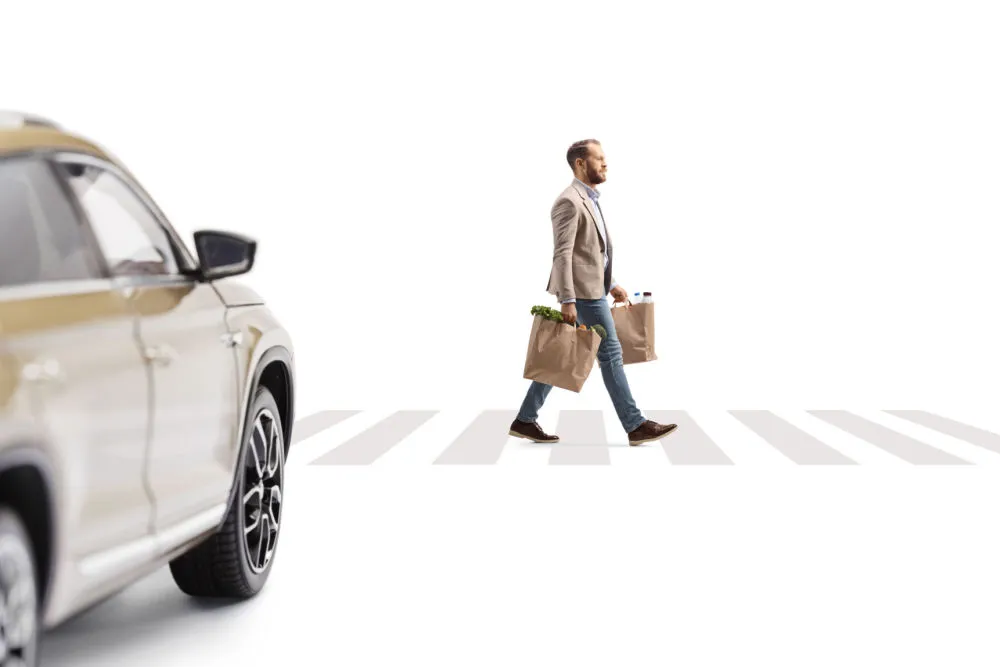
As SUVs and pickups have taken over the American vehicle fleet, safety researchers have raised a specific concern: what a taller, blunter front end does to a person on foot. Pedestrian deaths involving these vehicles have risen faster than deaths involving ordinary cars. This article looks at why that is, what part vehicle design plays, and what can be done about it.
Introduction
Pedestrian safety is a pressing problem in urban areas, and the shift toward larger vehicles has made it harder rather than easier. SUVs offer real advantages to the people inside them — more mass, a higher seating position, more room. Those same properties work against anyone outside the vehicle. What follows examines why, and what reduces the risk.
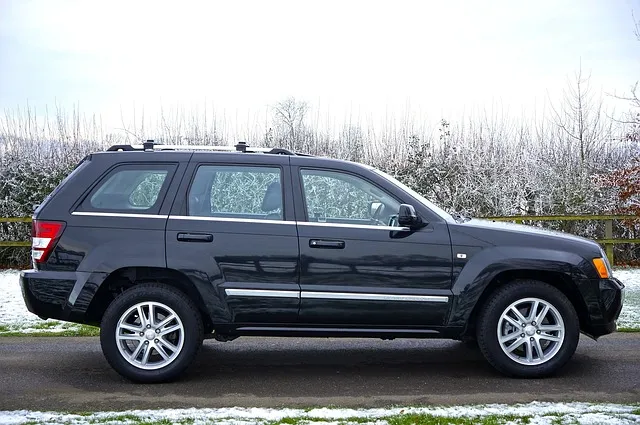
What is an SUV? Are SUVs Pickup Trucks?
A sport utility vehicle is larger and taller than an ordinary car, and shares much of its design language with a pickup truck — a high hood line, a tall grille, more ground clearance. That height gives an SUV a higher centre of gravity than a car, which makes it more prone to rollover, and its extra size and weight make it harder to place in tight spaces. Buyers choose them for cargo space, towing capacity and the sense of security that comes with sitting higher up.
The Rise of SUVs
The shift has been rapid and near-total. Sales of SUVs, crossovers and pickups overtook sales of cars in the United States during the 2010s, and light trucks now account for the large majority of new vehicles sold — a reversal of the mix that prevailed for most of the previous half-century. That change alone puts far more tall-fronted vehicles on the same streets people walk on.
Pedestrian Deaths and SUVs: The Statistics
Unfortunately, the rise in popularity of SUVs has been accompanied by a rise in pedestrian deaths involving these vehicles. Research published by the Governors Highway Safety Association (GHSA) found that pedestrian deaths involving SUVs rose 69% between 2013 and 2018, against a 46% rise in pedestrian deaths involving passenger cars over the same period. Both figures are bad; the gap between them is the point.
Factors Contributing to Pedestrian Deaths Involving SUVs
Several things drive the higher risk of pedestrian death in crashes involving SUVs. The first is simply mass. An SUV carries more kinetic energy into an impact than a car travelling at the same speed, and a human body has no way to absorb it.
The second is the geometry of the front end, and it matters more than the weight. A car with a low, sloping bonnet strikes an adult below the centre of gravity, which tends to sweep them up onto the hood. A tall, blunt front end strikes the pelvis, torso or head directly and drives the person forward and down, under the vehicle. The same crash at the same speed produces a different set of injuries, and a far worse one for a child.
The third is sight lines. A high hood creates a forward blind zone that can hide a small child standing directly in front of the vehicle, which is why so many of these crashes happen in driveways and car parks at very low speed.
The Design of SUVs and Pedestrian Safety
Design is where most of the available improvement sits. A lower, more sloped front end improves the driver’s view of the road immediately ahead and changes the impact geometry so that a struck pedestrian is carried over the vehicle rather than under it. Some manufacturers have also adopted energy-absorbing hood structures and softer bumper faces for the same reason.
The other lever is automatic emergency braking with pedestrian detection, which uses cameras and radar to spot a person in the vehicle’s path and brake without the driver. Independent testing has found wide variation in how well these systems work at night, which is when most pedestrians are killed — but they are improving, and federal standards now require them on new light vehicles.

Safety Measures to Mitigate the Risks
Several safety measures can be taken to mitigate the risks of more serious pedestrian injuries and fatalities in accidents involving SUVs. One measure is to improve the infrastructure of urban areas. This can include adding crosswalks, sidewalks, and bike lanes, as well as reducing speed limits in high-pedestrian areas.
Pedestrians can make themselves easier to see, particularly after dark: light or reflective clothing, a light or a phone torch when walking at night, and eyes up at the kerb rather than on a screen. None of this shifts legal responsibility away from a driver who fails to yield, but visibility is the variable a person on foot actually controls.
Drivers of larger vehicles carry the greater share of the responsibility, because they are the ones whose vehicle does the damage. Slow down in built-up areas — the difference between 20 and 30 mph is roughly the difference between a survivable impact and a fatal one. Check the space directly in front of a tall bonnet before moving off, and keep the phone down.

The Role of Government and Automakers in Pedestrian Safety
Both the government and automakers have a role to play in improving pedestrian safety. The government can pass laws requiring automakers to improve the safety features of SUVs, as well as invest more money in infrastructure improvements to make urban areas safer for pedestrians.
Automakers can also take steps to improve the safety of SUVs. This and other features can include designing vehicles with lower front ends and adding pedestrian detection and automatic braking systems as standard features.

The Importance of Education and Awareness
Education matters on both sides of the windscreen. People on foot benefit from knowing where they have the right of way and where they do not, and from using marked crossings where they exist.
Drivers should also be educated on the risks posed by SUVs to pedestrians and how to drive safely in urban areas. Awareness campaigns can help to increase public knowledge of these risks and encourage safer driving and walking practices.
The Future of SUVs and Pedestrian Highway Safety
As larger vehicles continue to dominate the fleet, pedestrian safety has to be designed in rather than added on. Manufacturers are already changing hood geometry and fitting detection systems, and the standards are tightening — but the vehicles on the road today will be there for a decade or more.
Additionally, continued investment in infrastructure improvements and education and awareness campaigns can help to reduce the number of pedestrian deaths involving SUVs.
Conclusion
The rise in SUVs has posed significant risks to pedestrian safety. However, by prioritizing safety features and infrastructure improvements, we can reduce the number of pedestrian deaths involving SUVs. Education and awareness are also critical components in improving pedestrian safety, and both the government and automakers have a role to play in making our roads safer for everyone.
If you were struck while walking in Georgia, a Georgia pedestrian accident lawyer can investigate the crash, gather the evidence, deal with the insurer and, where it comes to it, take the case to court. Georgia’s rules matter to how that claim runs: drivers must stop and stay stopped for a pedestrian in a crosswalk on their half of the roadway under O.C.G.A. § 40-6-91, and a pedestrian crossing elsewhere must yield under O.C.G.A. § 40-6-92 — but crossing mid-block does not end a claim, because fault is apportioned and you recover so long as you are less than 50% responsible. An experienced attorney can also help the injured person understand their legal rights and options, including the possibility of pursuing compensation for medical expenses, lost wages, pain and suffering, and other damages resulting from the accident. The goal of Georgia Auto Law and other personal injury attorneys is to help their clients recover physically, emotionally, and financially from the impact of a pedestrian accident.
Frequently Asked Questions
Why is an SUV more dangerous to a pedestrian than a car?
Two reasons. It carries more mass into the impact, and its front end is taller and blunter, so it strikes an adult in the torso or head rather than sweeping them onto the hood — and drives them forward and down instead of up. A tall hood also creates a forward blind zone that can conceal a small child standing directly in front of the vehicle.
Do pedestrian detection systems actually work?
They help. Automatic emergency braking with pedestrian detection uses cameras and radar to spot someone in the vehicle’s path and brake without the driver. Independent testing has found performance varies considerably in darkness, which is when most pedestrians are killed, but the systems are improving and federal standards now require them on new light vehicles.
What can a pedestrian do to reduce the risk?
Cross at marked crossings where they exist, make yourself visible after dark with light or reflective clothing and a light, and keep your attention on the road rather than a phone at the kerb. None of this reduces a driver’s legal responsibility to yield.
Can I recover if I was hit while crossing outside a crosswalk in Georgia?
Usually yes. Georgia drivers owe a duty of due care to everyone on the roadway under O.C.G.A. § 40-6-93, wherever a person is crossing. Fault is apportioned under O.C.G.A. § 51-12-33, and an injured pedestrian who is less than 50% responsible still recovers, with damages reduced by their own share.
What if the driver who hit me had no insurance, or left the scene?
The uninsured-motorist coverage on your own auto policy can pay even though you were on foot. Georgia requires every policy to offer UM coverage under O.C.G.A. § 33-7-11, and it reaches hit-and-run drivers as well as uninsured ones.
Frequently Asked Questions
What is modified comparative negligence in Georgia?
Under O.C.G.A. § 51-12-33, a Georgia plaintiff who is less than 50% at fault can still recover, but their damages are reduced by their percentage of fault. At 50% or more, recovery is barred entirely. This is why insurance adjusters work hard to assign you any percentage of fault they can.
What if the at-fault driver has no insurance?
Georgia requires every auto policy to offer uninsured-motorist (UM) coverage under O.C.G.A. § 33-7-11. UM coverage on your own policy pays when the at-fault driver is uninsured, underinsured, or flees the scene. Multiple household policies can sometimes be stacked for higher limits.
Do I need a lawyer for a Georgia car accident claim?
For minor property-damage claims, often no. For any claim involving injuries, missed work, lasting symptoms, or disputed fault, a Georgia personal-injury attorney typically recovers far more than the policyholder would negotiating alone, even after the contingency fee. Initial consultations are free.
Should I give a recorded statement to the other driver’s insurer?
No. The adjuster’s job is to minimize the payout, and recorded statements are mined later for any admission of fault, exaggeration, or inconsistency. You can decline politely and refer them to your attorney or your own insurer.