Key Takeaways
- Georgia personal-injury claims must be filed within two years of the date of injury under O.C.G.A. § 9-3-33; minors' claims are tolled until they reach majority.
- Georgia is a modified comparative negligence state (O.C.G.A. § 51-12-33) — you can recover if you are less than 50% at fault, with damages reduced by your share.
- According to the Centers for Disease Control and Prevention, unintentional injuries account for over 220,000 deaths annually in the U.S., with motor vehicle crashes among the leading causes.
- Damages in a Georgia personal-injury case include medical bills, lost income, future earning capacity, pain and suffering, and (in catastrophic cases) loss of enjoyment of life — there is no cap on most economic or non-economic damages.
- Most Georgia personal-injury matters resolve through pre-suit negotiation or settlement; a Georgia personal injury lawyer can value the claim and negotiate. Review our case results and schedule a free consultation through our contact page.
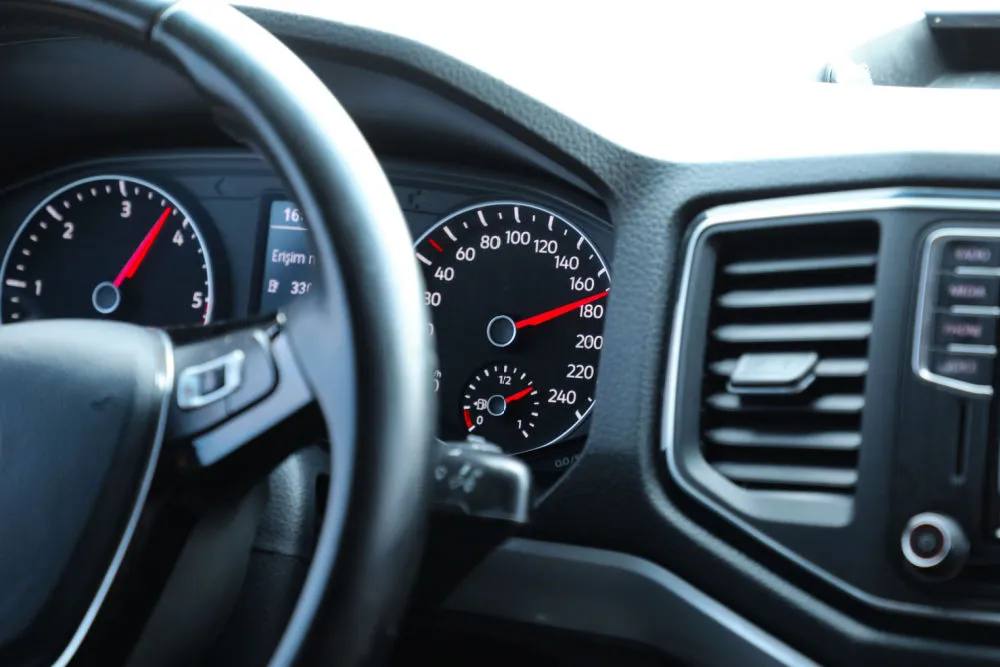
Vehicle speed is a critical factor in pedestrian safety. When a vehicle is moving at high speeds, it is more difficult for drivers to react quickly to pedestrians who may be crossing the street or walking alongside the road. This can lead to serious injuries and fatalities if a collision occurs. This article explores the relationship between vehicle speed and pedestrian injury, and the strategies that reduce both.

The Impact of Vehicle Speed on Pedestrian Injury:
Studies have consistently shown that vehicle speed is a key determinant of pedestrian injury severity in the event of an accident. The faster a vehicle is travelling at the moment of impact, the greater the risk of serious injury or death — and the relationship is not linear. A pedestrian hit by a car at 20 mph has roughly a 95% chance of surviving without severe injury; at 40 mph that falls to around 15%. Doubling the speed does not double the danger, it transforms it.
There are two reasons. The force of an impact rises with the square of speed, so a modest increase produces a disproportionate increase in energy transferred to the body. And at higher speeds a driver has less time to perceive a hazard and less distance in which to brake or swerve — so the collision is both more likely to happen and more severe when it does.
The type of vehicle matters too. Larger vehicles such as trucks and SUVs cause more severe pedestrian injuries than passenger cars, and not only because of their mass: a taller front end strikes the torso and head rather than the legs, and is more likely to knock a pedestrian down and under the vehicle rather than onto the bonnet. This is because larger motor vehicles often have a greater mass and can therefore transfer more energy to the pedestrian upon impact.
Strategies for Reducing Pedestrian Injuries:
Several strategies reduce both the number of pedestrian crashes and their severity:
Reducing Vehicle Speeds: One of the most effective ways to reduce pedestrian injuries is to lower the speed limit in areas where pedestrians are likely to be present. For example, many cities have implemented 20 mph speed zones in residential areas and near schools to protect pedestrians. Lowering the speed limit can give drivers more time to react to unexpected situations and reduce the force of impact in the event of a collision.
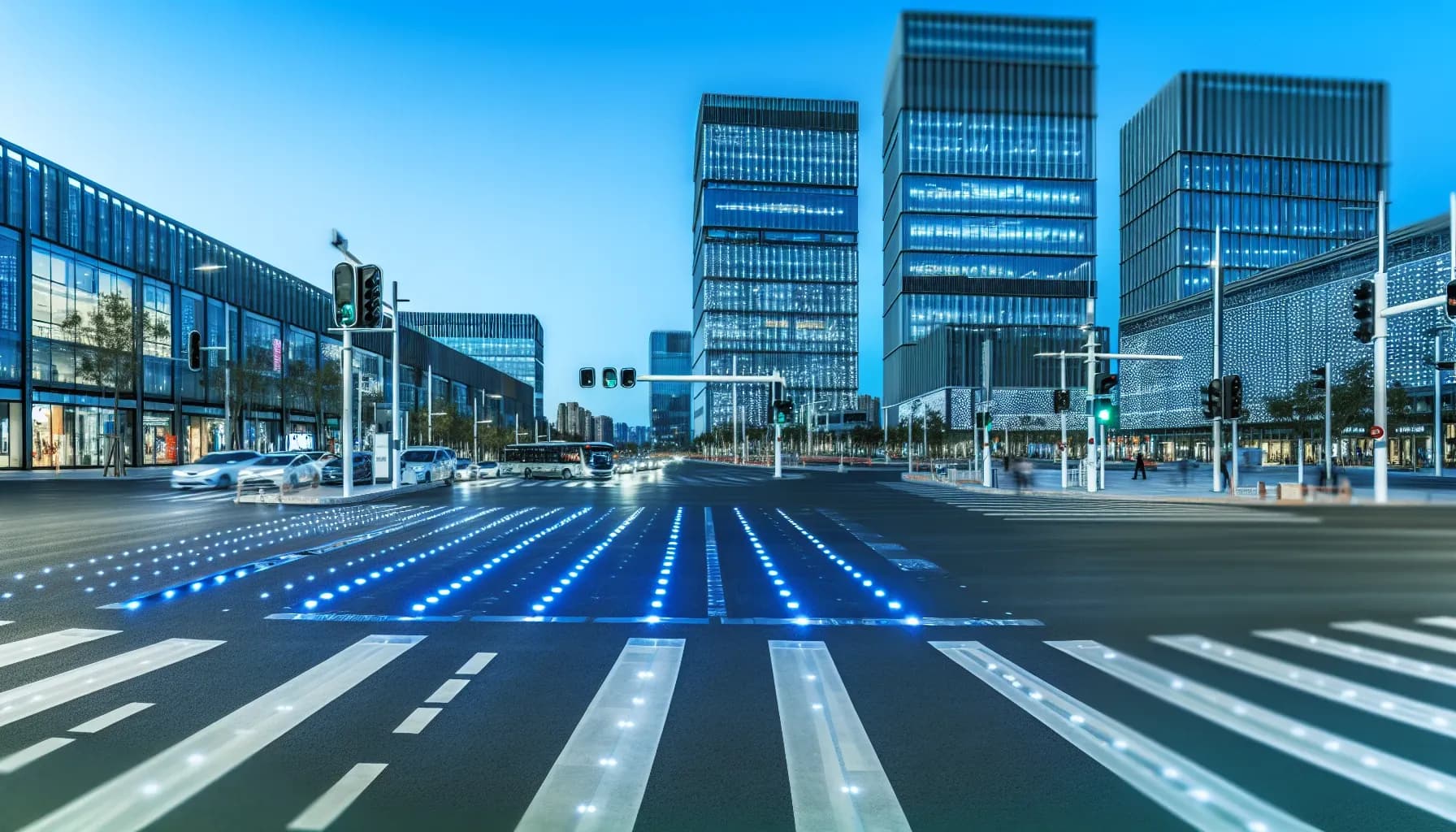
Improving Infrastructure: Providing safe infrastructure for pedestrians, such as sidewalks, crosswalks, and pedestrian islands, can help to reduce the risk of accidents. For example, installing pedestrian crossing signals can alert drivers to the presence of pedestrians and give them time to stop. Providing adequate lighting can also improve visibility and reduce the risk of accidents at night.
Education and Awareness Campaigns: Educating drivers and pedestrians about safe behavior on the road can also help to reduce the risk of accidents. This can include campaigns that encourage drivers to slow down in residential areas and near schools, as well as campaigns that educate pedestrians on the importance of using crosswalks and looking both ways before crossing the road.
Autonomous Vehicles: The development of autonomous vehicles has the potential to greatly reduce the risk of pedestrian accidents. Autonomous vehicles are designed to detect and respond to pedestrians in real-time, which can help to reduce the risk of accidents caused by driver error. However, widespread adoption of autonomous vehicles is still several years away, and in the meantime, other strategies will be needed to reduce the risk of pedestrian accidents.
Vehicle speed is a critical factor in pedestrian accident safety. Higher vehicle travel speeds can increase the risk of severe injuries and fatalities in the event of a collision, and reducing vehicle travel speeds and traveling speeds in areas where pedestrians are likely to be present can help to reduce this risk. Other strategies — better infrastructure, education and awareness campaigns, and eventually automated braking systems that detect pedestrians — support the same goal. Used in combination, they make roads meaningfully safer for people on foot.
Other measures: Speed Cameras and Traffic Calming
Beyond the strategies above, there are further measures that reduce crashes caused by vehicles travelling over the speed limit.
One is the use of speed cameras. Speed cameras are devices that use radar or other technologies to detect vehicles traveling over the speed limit and capture photographic evidence of the violation. In some jurisdictions, speed cameras are used to enforce speed limits in areas where pedestrian safety is a concern, such urban areas such as near schools or in residential neighborhoods.
The use of speed cameras has been shown to be effective in reducing speeding and pedestrian crashes and improving road safety. Evaluations in the UK have found meaningful reductions in collisions involving pedestrians at camera sites, and US studies have found similar reductions in fatalities in speed-related crashes. The mechanism is straightforward: cameras lower average speeds, and average speed is what determines how survivable an impact is.
Another measure is traffic calming. Traffic calming measures are physical modifications to the road environment that are designed to slow down traffic and improve safety for pedestrians and other road users. Examples of traffic calming measures include speed bumps, roundabouts, and chicanes.
Traffic calming reliably reduces top speeds and improves safety for everyone using the road. Evaluations in London found that installing speed humps cut vehicle speeds by 10–15% and roughly halved collisions involving pedestrians.
Finally, reducing pedestrian deaths caused by vehicle speed requires a comprehensive approach involving several parties at once. This includes policymakers, law enforcement agencies, transportation officials, and the public. Working together, they can develop and implement strategies that lower speeds and improve pedestrian safety.
Vehicle speed is the single most important factor in whether a pedestrian collision is survivable, and lowering speeds where people walk is the most direct way to improve their safety. Better infrastructure, education campaigns, speed cameras, traffic calming, and improved vehicle technology all contribute. Taken together, they make roads safer for pedestrians and every other road user.

Have Questions About Your Case?
Get a free consultation with an experienced Georgia accident attorney.
Emerging Traffic and Motor Vehicle Safety Technologies:
Several emerging technologies address vehicle speed directly. One is intelligent speed assistance (ISA), which uses GPS and road mapping to monitor a vehicle's speed and warn the driver — or in some implementations limit the throttle — when the speed limit is exceeded.
ISA reduces speeding and, with it, deaths and serious injuries in speed-related crashes; Swedish trials found substantial reductions. The European Union has since made ISA mandatory on new cars, with the requirement fully in force from July 2024.
Another emerging technology that has the potential to improve pedestrian safety is vehicle-to-everything (V2X) communication. V2X allows vehicles to communicate with each other and with infrastructure such as traffic signals and pedestrian crossings. It can alert a driver to the presence of a pedestrian — including one they cannot yet see — and to their location and direction of travel.
V2X could substantially improve pedestrian safety by giving drivers real-time information and reducing collisions caused by simple failure to see. If a pedestrian is crossing and a vehicle is approaching at speed, the system can warn the driver in time to brake — including in the situations where a parked vehicle or a blind corner makes seeing impossible.
However, it is important to recognize that emerging technologies such as ISA and V2X communication are still in the early stages of development, and it will be several years before they are widely adopted. In the meantime, the proven strategies remain the ones that matter: speed reduction, infrastructure improvements, education and awareness campaigns, speed cameras, and traffic calming.
In addition to these strategies, it is also important to address the root causes of speeding, such as driver behavior and attitudes. This can include initiatives such as driver education and training programs, as well as enforcement measures such as fines and penalties for speeding violations.
How does vehicle speed impact pedestrian safety?
A: Enormously. Impact force rises with the square of speed, so higher speeds sharply increase the likelihood of severe injury or death. They also shorten the time a driver has to perceive a hazard and the distance available to stop.

What strategies reduce the risk of pedestrian accidents caused by vehicle speed?
A: Lowering speeds where pedestrians are present, improving infrastructure such as pavements and crossings, education and awareness campaigns, speed cameras and traffic calming in urban areas, and emerging technologies such as intelligent speed assistance and vehicle-to-everything communication.
What infrastructure improvements help pedestrian safety?
A: Examples of infrastructure improvements that can improve pedestrian safety include providing safe sidewalks and crosswalks, installing pedestrian crossing signals, providing adequate lighting, and installing pedestrian islands.
How effective are education and awareness campaigns?
A: Campaigns help by changing behaviour on both sides of the problem — encouraging drivers to slow down in residential areas and near schools, and reminding pedestrians to use crosswalks and check both ways before stepping out. They work best alongside engineering and enforcement rather than instead of them.
Frequently Asked Questions
Should I accept the insurance company’s first offer?
Almost never. First offers reliably underestimate medical-treatment trajectories, lost-income totals, and the value of pain and suffering. Settling before the full scope of injury is documented permanently waives those claims. According to the State Bar of Georgia, consulting an attorney before signing any release is the standard protective step.
How long do I have to file a personal-injury claim in Georgia?
Two years from the date of injury under O.C.G.A. § 9-3-33. For minors, the statute is tolled until they reach 18 — they then have until age 20 to file. Claims against governmental entities may carry shorter ante litem notice deadlines, sometimes as short as six months under O.C.G.A. § 36-33-5.
What damages can I recover?
Past and future medical expenses, lost income and future earning capacity, property damage, pain and suffering, mental anguish, and (in catastrophic or fatal cases) loss of enjoyment of life or wrongful-death damages. Georgia does not cap most economic or non-economic damages.
How does modified comparative negligence work in Georgia?
Under O.C.G.A. § 51-12-33, you can recover damages if you are less than 50% at fault; your recovery is reduced by your share of fault. At 50% or higher, you recover nothing. Insurance adjusters work to push your percentage above the bar.