Key Takeaways
- Under O.C.G.A. § 9-3-33, a personal-injury claim from a Georgia car accident must be filed within two years of the crash — missing this deadline almost always extinguishes the claim entirely.
- Georgia's modified comparative negligence rule (O.C.G.A. § 51-12-33) reduces your recovery by your share of fault and bars it completely at 50%.
- Georgia Department of Transportation crash data consistently shows urban arterial roads, intersections, and entrance ramps as the leading crash locations across the state.
- Hit-and-run drivers violate O.C.G.A. § 40-6-270, but criminal prosecution does not pay medical bills — recovery comes through your own UM coverage under O.C.G.A. § 33-7-11.

In Georgia, auto negligence refers to a driver's failure to operate a vehicle in a reasonably safe manner, resulting in harm to another person or their property. When someone is injured in a motor vehicle accident caused by another person's negligent or reckless driving, they may be entitled to compensation for their damages — including medical expenses, lost wages, pain and suffering, and other losses. This article will provide a comprehensive overview of auto negligence in Georgia, including its legal definition, the types of damages available to injured parties, and the steps involved in pursuing a claim for automobile negligence.

Legal Definition of Auto Negligence in Georgia
Under Georgia law, all drivers have a legal duty to exercise reasonable care while operating a vehicle. This duty of care requires drivers to obey traffic laws, keep a lookout for other vehicles, and avoid driving in a manner that could harm others. When a driver breaches this legal duty of care and causes an accident, they may be liable for any resulting damages under the state's comparative negligence law. To successfully prove negligence here, the injured party must show that the driver had a duty to exercise reasonable care, that the driver breached that duty, and that the breach caused the injured party’s damages.
Examples of Auto Negligence
Auto negligence can take many forms, covering a wide range of behaviour that falls below the standard of care expected of drivers. Some examples in Georgia include:
Distracted driving:
This can include texting while driving, talking on a cell phone, eating, applying makeup, or any other behavior that takes a driver’s attention away from the road.
Speeding:
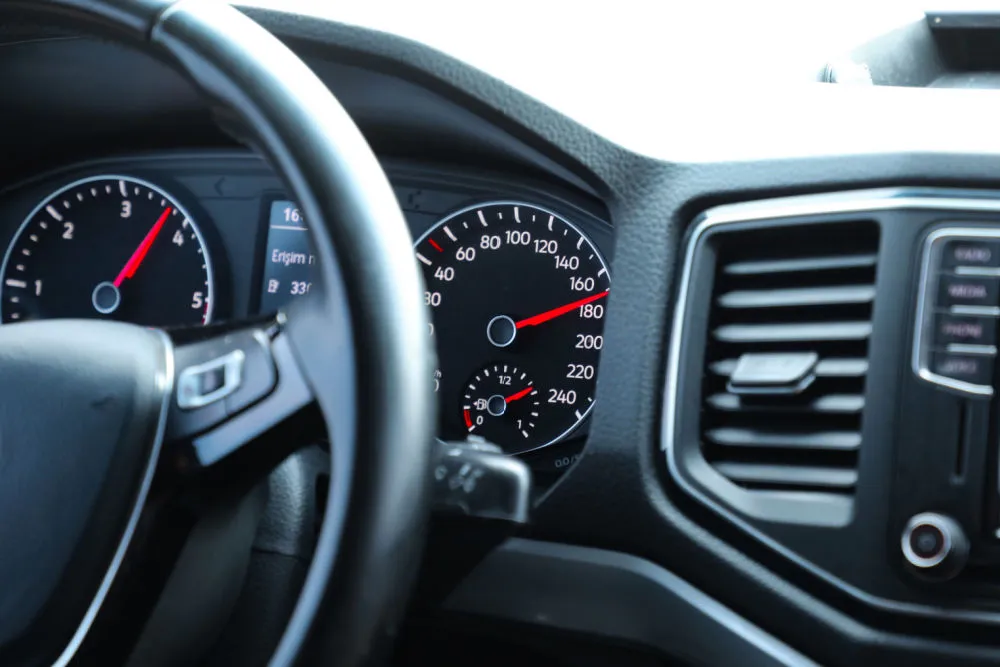
Driving at an excessive speed can make it difficult for a driver to control their vehicle, and can increase the risk of an accident.
Driving under the influence of drugs or alcohol:
Impairment significantly reduces a driver's ability to make decisions, react to changing conditions, and control their vehicle.
Failing to yield the right of way:
Drivers are expected to yield the right of way to other vehicles and pedestrians when appropriate, and failing to do so can result in accidents.
Reckless driving:
This can include behaviors such as tailgating, weaving in and out of traffic, or driving aggressively.
Failing to obey traffic signals and signs:
Drivers are expected to obey traffic signals, signs and traffic laws, and failing to do so can result in accidents.
Driving with a mechanical issue:
If a driver is aware of a mechanical issue with their vehicle that could cause an accident, they have a duty of care to have the issue fixed before driving.

Types of Damages Available To Car Accident Victims
If you have been injured in an accident caused by another driver's negligence, you may be entitled to compensation for your damages. The types of damages available in auto negligence claims include:
1. Medical Expenses
You may be able to recover compensation for all medical expenses related to your injuries, including emergency room visits, doctor’s appointments, surgery, rehabilitation, and medication costs.
2. Lost Wages
If your injuries have caused you to miss work, you may be entitled to compensation for your lost wages. This includes fair compensation for both past and future lost earnings.
3. Pain and Suffering
You may be entitled to compensation for physical pain, mental anguish, and emotional distress caused by the car accident.
4. Property Damage
If your vehicle was damaged in the accident, you may be entitled to compensation for the cost of repair or replacement.
5. Wrongful Death
If a loved one was killed in an auto accident caused by another driver's negligent or reckless driving, you may be entitled to compensation for funeral expenses, loss of companionship, and other damages.

Steps Involved in Pursuing an Auto Negligent Driver Claim
If you have been injured in an auto accident caused by another driver's negligence, there are several steps you should take to protect your rights and pursue a claim for compensation.
1. Seek Medical Attention
Your health should be your top priority after an accident. Seek medical attention right away, even if you feel fine. Some injuries may not show up immediately, and delayed treatment could make your injuries worse.

2. Gather Evidence
Gather as much evidence as possible at the scene, including photos of the damage to both vehicles, contact information for the other driver and any witnesses, and the other driver's insurance details.
3. Contact an Experienced Car Accident Lawyer
An experienced personal injury attorney can help you navigate the personal injury claim process and pursue compensation for your damages. Your attorney can investigate the breach of the duty of care, negotiate with the insurance companies, and represent you in court if necessary.
4. Negotiate a Settlement
Your attorney will work with the other driver's insurance company to negotiate a fair settlement for your damages. If a settlement cannot be reached, your attorney may recommend taking the case to court.
5. File a Lawsuit
If negotiations fail, your attorney may recommend filing a lawsuit to pursue compensation for your damages. Proving negligence in court can be a lengthy and complex process, but your attorney will guide you through each step of the civil litigation.
Conclusion
If you have been injured as a result of a negligent driver in Georgia, it’s important to take immediate action to protect your rights and pursue compensation for your damages. Georgia Auto Law is here to help.
Our team of experienced personal injury attorneys has a deep understanding of Georgia and auto negligence lawsuit law, and can help you navigate the legal process and recover the compensation you deserve. We handle a wide range of auto negligence and accident cases, from insurance claims through to litigation.
When you work with Georgia Auto Law, you can expect personal attention and dedicated representation from start to finish. We’ll take the time to understand the unique details of your case, and will develop a comprehensive legal strategy designed to maximize your recovery.
We’ll work tirelessly to gather evidence, negotiate with insurance companies, and represent you in court if necessary to protect your rights and pursue the compensation you deserve. Our goal is to help you recover physically, emotionally, and financially from your injuries, and to help you move forward with your life.
At Georgia Auto Law, we understand the challenges that auto accident victims face, and we’re here to provide the support and guidance you need to navigate this difficult time. We offer free consultations and work on a contingency fee basis, which means that you won’t pay any fees unless we recover compensation for you.
If you have been injured as a result of a negligent driver in Georgia, don’t wait. Contact Georgia Auto Law today to schedule your free consultation and learn more about how we can help you.

FAQs
What is considered auto negligence in Georgia?
Auto negligence in Georgia refers to a driver’s failure to exercise reasonable care while operating a vehicle, which results in harm to another person or property.
What damages can I recover in an auto negligence case?
Damages available in auto negligence cases include medical expenses, lost wages, pain and suffering, property damage, and wrongful death.
How can I prove negligence in an auto accident case?
To prove negligence, the injured party must show that the driver had a duty to exercise reasonable care, that the driver breached this duty, and that the breach caused the injured party’s damages.
Should I hire an attorney for my auto negligence case?
Yes, hiring an experienced personal injury attorney can help you navigate the legal process and pursue maximum compensation for your damages.
What should I do if I have been injured in an auto accident due to another driver’s negligence?
Seek medical attention, gather evidence, and contact an attorney to protect your rights and pursue compensation for your damages.

Frequently Asked Questions
What is modified comparative negligence in Georgia?
Under O.C.G.A. § 51-12-33, a Georgia plaintiff who is less than 50% at fault can still recover, but their damages are reduced by their percentage of fault. At 50% or more, recovery is barred entirely. This is why insurance adjusters work hard to assign you any percentage of fault they can.
What if the at-fault driver has no insurance?
Georgia requires every auto policy to offer uninsured-motorist (UM) coverage under O.C.G.A. § 33-7-11. UM coverage on your own policy pays when the at-fault driver is uninsured, underinsured, or flees the scene. Multiple household policies can sometimes be stacked for higher limits.
Do I need a lawyer for a Georgia car accident claim?
For minor property-damage claims, often no. For any claim involving injuries, missed work, lasting symptoms, or disputed fault, a Georgia personal-injury attorney typically recovers far more than the policyholder would negotiating alone, even after the contingency fee. Initial consultations are free.
Should I give a recorded statement to the other driver’s insurer?
No. The adjuster’s job is to minimize the payout, and recorded statements are mined later for any admission of fault, exaggeration, or inconsistency. You can decline politely and refer them to your attorney or your own insurer.