Key Takeaways
- Truck-crash claims in Georgia have a two-year filing deadline under O.C.G.A. § 9-3-33. Evidence preservation letters to the carrier should go out within days to avoid logbook destruction.
- Hours-of-service violations, drug/alcohol test results, dashcam footage, and electronic logging device (ELD) data are unique categories of evidence in truck cases — preserved under FMCSA record-retention regulations.
- According to the Insurance Institute for Highway Safety, occupants of passenger vehicles account for 71% of deaths in two-vehicle crashes involving a large truck, due to the mass and stiffness mismatch.
- Georgia's modified comparative negligence rule (O.C.G.A. § 51-12-33) applies, but liability can extend beyond the driver to the carrier, broker, shipper, and maintenance contractor.

The Federal Motor Carrier Safety Administration (FMCSA), a subsidiary of the Department of Transportation, plays a crucial role in setting regulations for truck drivers and the companies that employ them. While every motorist should remain alert and focused on the road, it becomes even more critical for the trucking industry and drivers due to the potential severity of accidents involving commercial vehicles. Recognising this, the FMCSA treats commercial driver alertness and sobriety as a regulatory priority.
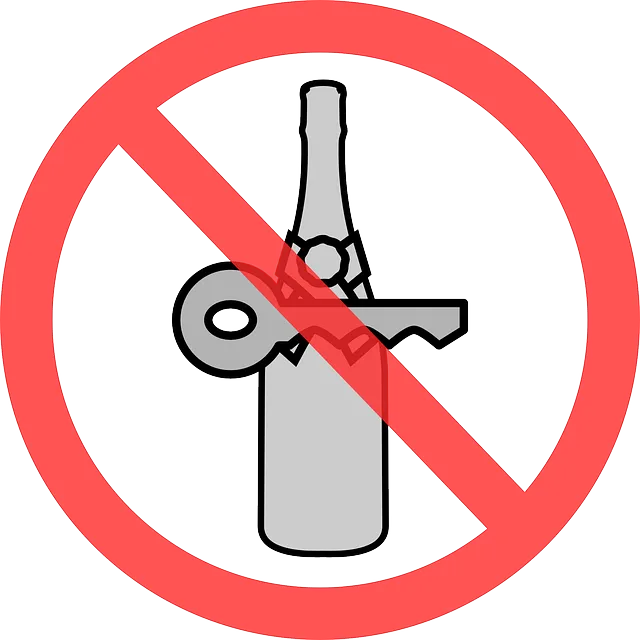
Importance of Driver Alertness and Sobriety
In the pursuit of promoting safety on American roadways, the FMCSA conducts random drug and alcohol testing often on commercial drivers. The alarming reality is that even with these measures in place, a significant number of drivers continue to operate under the influence. Violations still turn up in the thousands each year across roadside inspections and random testing — and testing catches only the drivers who happen to be tested. The Drug and Alcohol Clearinghouse, which carriers must now query before hiring, has recorded well over a hundred thousand violations since it opened.
Driver Error and Drug Use in Crashes
Driver error is the single largest factor in truck crashes. In FMCSA's Large Truck Crash Causation Study, over-the-counter drug use was the most frequently coded associated factor of all — present for roughly 17 percent of the trucks studied, ahead of speeding and fatigue. Prescription drug use was coded separately and less often. Neither figure means the medication caused the crash, but the frequency is why post-crash testing matters. The correlation between drug use impaired truck drivers and accidents highlights the need for stricter enforcement and greater awareness regarding the dangers associated with impaired driving.
Pressures Faced by Truck Drivers
Truck drivers face immense pressure to make timely deliveries and adhere to strict schedules while transporting goods. Although the FMCSA has implemented mandatory breaks and shift caps to minimize the risks of inattentive driving, some commercial vehicle operators choose to ignore these regulations. These drivers may turn to illicit or prescription drugs to stay awake and alert during long shifts. Others may resort to substance use as a way to pass the time and alleviate boredom.
FMCSA Regulations and Drug Testing
To combat accidents caused by the presence of drugs and alcohol in truck drivers, federal regulations mandate random inspections and drug testing. These tests screen drivers for substances such as marijuana, cocaine, opioids, PCP, and amphetamines. If a truck driver ever tests positive for any of these substances, they may face severe consequences, including the loss of their commercial driver’s license (CDL). Despite these regulatory measures, there are still instances where many truck drivers continue to operate large vehicles while under the influence of drugs or alcohol, posing a significant risk to themselves and others on the road.

Effects of Drugs and Alcohol on Driving
The use of drugs and alcohol impairs a driver’s ability to operate a commercial vehicle safely. The effects include slowed reaction time, inattention to hazards, panic or overreaction, impaired problem-solving, diminished focus, and drowsiness. These are not limited to illicit drugs or alcohol — a number of common prescription and over-the-counter medications impair a driver just as effectively behind the wheel of an 80,000-pound vehicle. Medications that cause drowsiness, in particular, pose a significant danger to other drivers and road users.
Mandatory Drug Testing and Negligent Hiring
In the event of a fatal or serious truck accident, federal law requires commercial vehicle drivers involved in the accident to submit to drug testing. Additionally, trucking companies are obligated to conduct random drug tests and screenings on their commercial truck drivers and maintain detailed records of the test results. Failing to comply with those requirements — or putting a driver who has tested positive back behind the wheel — exposes the carrier to a direct claim for negligent hiring and retention, separate from any claim against the driver.
Preventability and Legal Recourse
Accidents involving impaired drivers are often severe, and in some cases, even fatal. What makes them harder to accept is that they are almost entirely preventable. If a family member has suffered serious injuries or lost their life in an accident caused by an impaired driver, seeking the help of an experienced Georgia truck accident lawyer can help hold the negligent parties accountable. By pursuing legal recourse, you can aim to obtain the justice and compensation your family deserves for the pain, suffering personal injury, medical expenses and financial burdens resulting from the accident.

Conclusion
Truck drivers have a tremendous responsibility to operate their vehicles safely, given the potential risks associated with accidents involving commercial vehicles. The FMCSA’s efforts to enforce regulations and conduct drug testing aim to ensure driver alertness and sobriety on American roadways. The persistent presence of impaired drivers points to the same conclusion each time: testing and enforcement only work when carriers act on the results, and civil claims are often what makes them.

FAQs
1. Can truck drivers be randomly tested for drugs and alcohol?
Yes. Federal regulations require random drug and alcohol testing of commercial drivers. The panel covers marijuana, cocaine, opioids, PCP, and amphetamines, alongside alcohol testing.
2. What are the consequences if a truck driver tests positive for drugs?
A positive test removes the driver from safety-sensitive duty immediately and is recorded in the federal Drug and Alcohol Clearinghouse. Returning to work requires completing a return-to-duty process, and the violation follows them between employers.
3. How do drugs and alcohol affect a driver’s ability to operate a commercial vehicle?
Drugs and alcohol can impair a driver’s reaction time, attention to hazards, decision-making skills, focus, and overall performance, increasing the likelihood of accidents.
4. What actions can be taken against trucking companies that negligently hire drivers with a history of drug use?
Where a trucking company fails to run the required screenings, or hires a driver it knew or should have known had a history of substance abuse, it can be held directly liable for negligent hiring and retention — a claim against the company itself, not merely vicarious liability for the driver.
5. What should I do if my family member has been involved in a truck accident caused by an impaired driver?
If your family member has been seriously injured or lost their life in a truck accident involving an impaired truck driver, it is worth getting legal advice quickly. Post-crash drug and alcohol test results are among the records a carrier need only retain for a limited period, and securing them early can decide the case.
Frequently Asked Questions
What evidence is unique to truck-accident cases?
Federal regulations from the Federal Motor Carrier Safety Administration require commercial carriers to maintain driver logs, hours-of-service records, electronic logging device (ELD) data, drug and alcohol test results, maintenance records, and post-crash inspection reports. These records have short retention periods and must be preserved by formal demand.
How much insurance do trucking companies carry in Georgia?
Interstate commercial carriers must maintain at least $750,000 in liability coverage under FMCSA regulations — far above the Georgia auto minimum of $25,000. Many carriers exceed the federal floor and carry $1 million or more, which is why truck-crash recoveries can be substantially larger than passenger-vehicle cases.
What causes most large-truck crashes?
According to FMCSA crash data, the leading contributing factors are driver fatigue, unfamiliarity with the route, brake problems, speeding, and distraction. Many of these correlate with violations of federal hours-of-service rules — a logbook audit early in the case can reveal those violations.
How long do I have to file a Georgia truck-accident claim?
Two years from the date of the crash under O.C.G.A. § 9-3-33 for personal injury. Cargo or property claims have four years under O.C.G.A. § 9-3-32. However, evidence-preservation letters to the carrier should go out within days to prevent logbook and ELD data from being overwritten.