Key Takeaways
- Athens, Georgia’s most perilous intersections are near the university and downtown district, with high accident rates involving motor vehicles, pedestrians, and cyclists, necessitating heightened vigilance and safety measures.
- Critical factors contributing to the danger at these intersections include distracted driving, inadequate safety measures for pedestrians and cyclists, and issues with traffic flow and congestion that lead to risky driving behaviors.
- Improvements and safety measures are being implemented in Athens, with infrastructure upgrades, enhanced patrol capabilities, and awareness campaigns to improve road safety and reduce accident rates for all road users.
- Georgia personal-injury claims must be filed within two years of the crash under O.C.G.A. § 9-3-33, with modified comparative negligence under O.C.G.A. § 51-12-33 reducing recovery by the plaintiff's share of fault.
- According to the National Highway Traffic Safety Administration, proper documentation of the crash scene, medical records, and lost income within days of the crash significantly improves case outcomes.
- If you were injured in a Georgia crash, a Georgia car accident lawyer can evaluate insurance coverage, fault allocation, and damages — review our case results for representative outcomes and schedule a free consultation through our contact page.

Navigating Athens, Georgia, can be risky at certain junctions. Which are the most dangerous traffic intersections in Athens, Georgia, and why should you be extra cautious at these locations? We’ll guide you through data-driven insights and real-life testimonies to help you travel more safely in this urban landscape.
Pinpointing Hazard Zones: Athens’ Most Dangerous Intersections

Athens’ roads and intersections, particularly those around the university and in the downtown district, have earned a reputation for being dangerous due to high collision rates. The potential for a fatal accident is markedly higher at these sites, making them hazardous zones that require cautious navigation.
Barnett Shoals Road and College Station Road
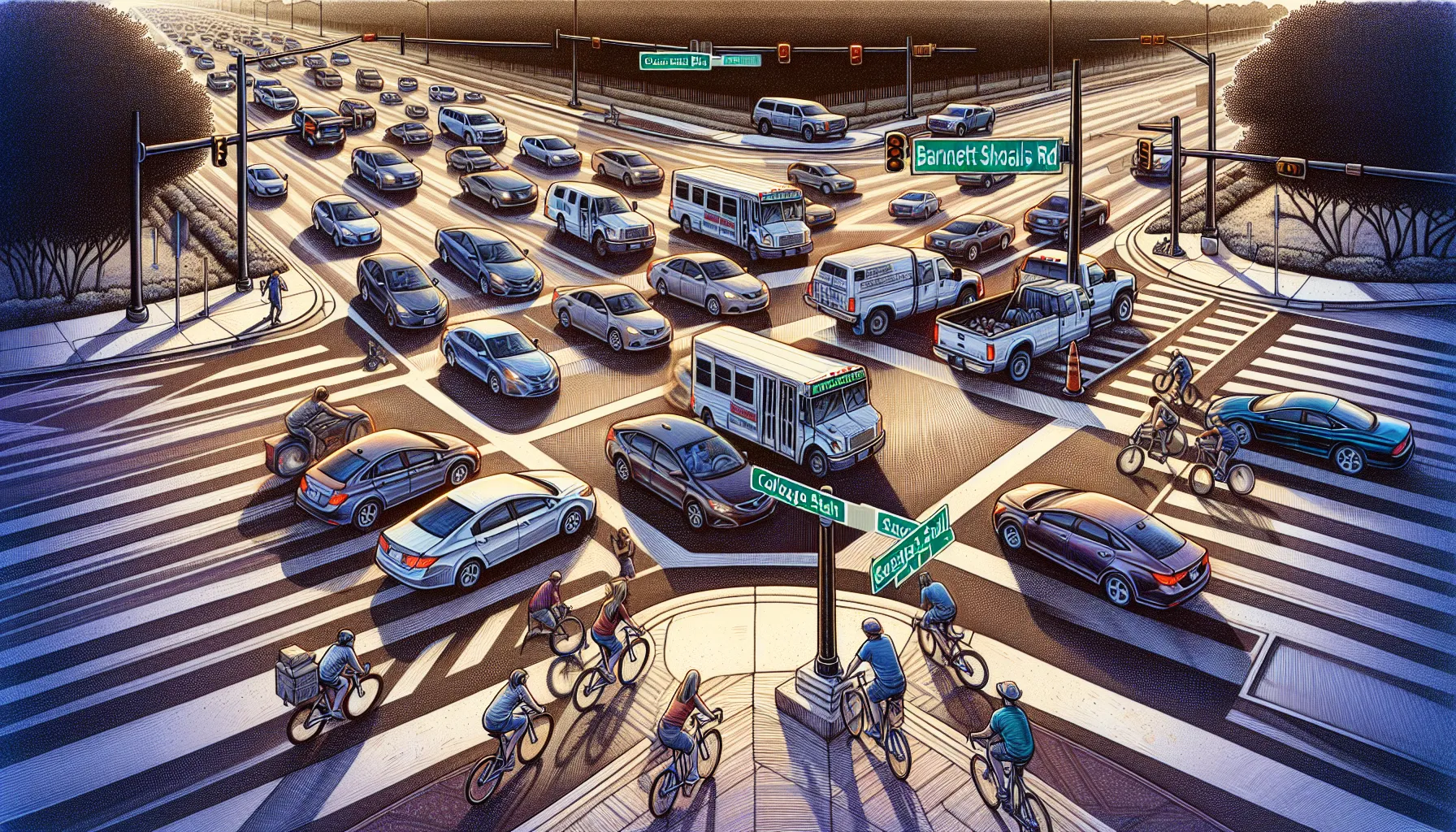
One such perilous stretch is the intersection of Barnett Shoals Road and College Station Road. Its proximity to shopping centers and the University of Georgia campus leads to high traffic volume, contributing to congestion and, consequently, safety issues. This intersection has witnessed numerous crashes involving cars and bicyclists, making it a site of concern for motorists and cyclists alike.
The high rate of accidents, particularly involving bicyclists, underscores the need for careful navigation and heightened safety measures. As the intersection struggles to accommodate the flow of cars, bicycles, and pedestrians, road users must remain vigilant to prevent collisions and ensure their safety.
Atlanta Highway and Timothy Road
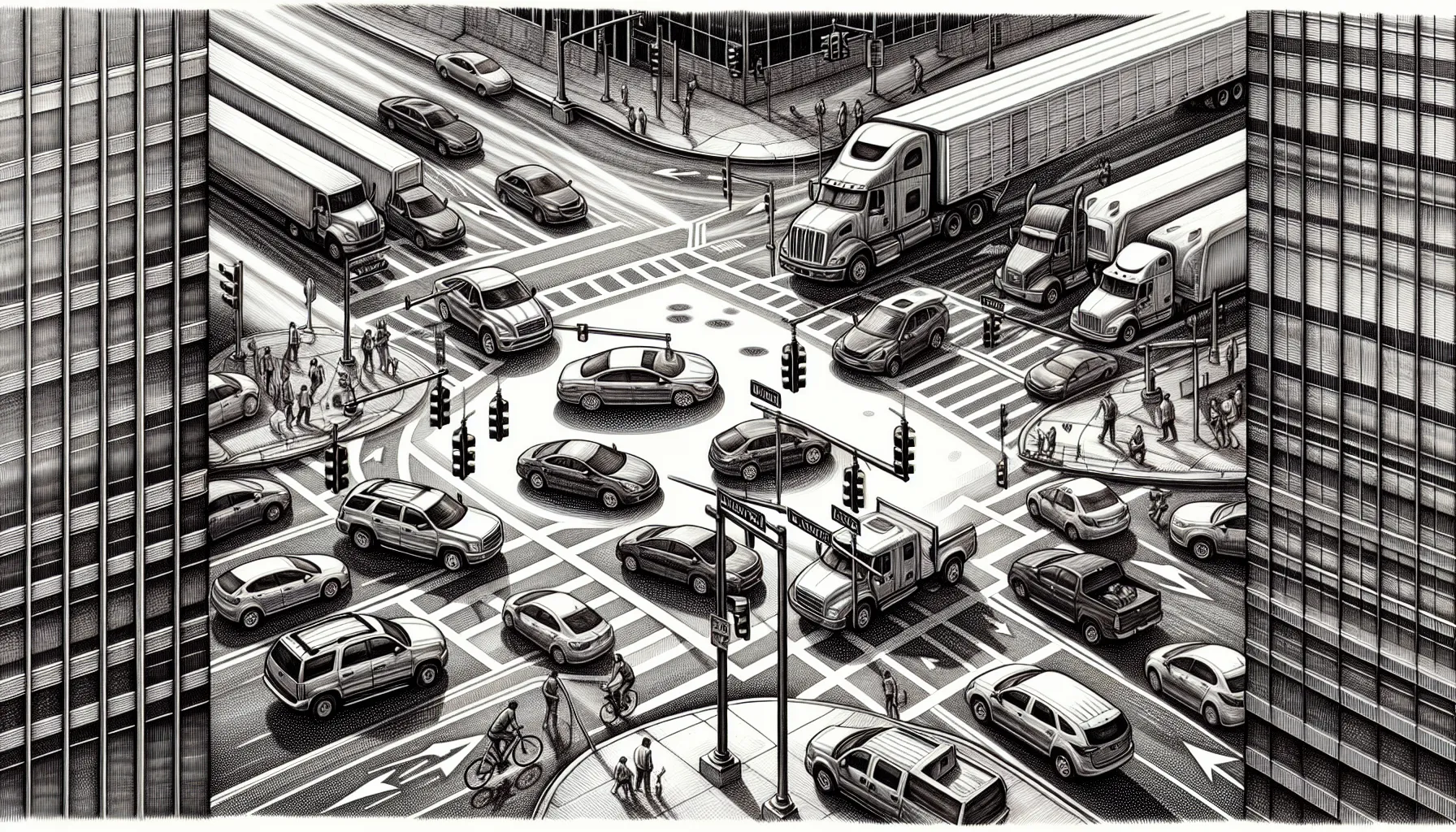
Another intersection that poses significant risks is Atlanta Highway and Timothy Road. Known for its high traffic volume, this intersection is a notorious hotspot for frequent accidents.
The constant buzz of cars, trucks, and buses, coupled with the hustle and bustle of pedestrians and cyclists, often leads to confusing and potentially dangerous situations. The high accident rate at this intersection is a stark reminder of the need for constant vigilance and adherence to traffic rules to ensure the safety of all road users.
Broad Street and Alps Road
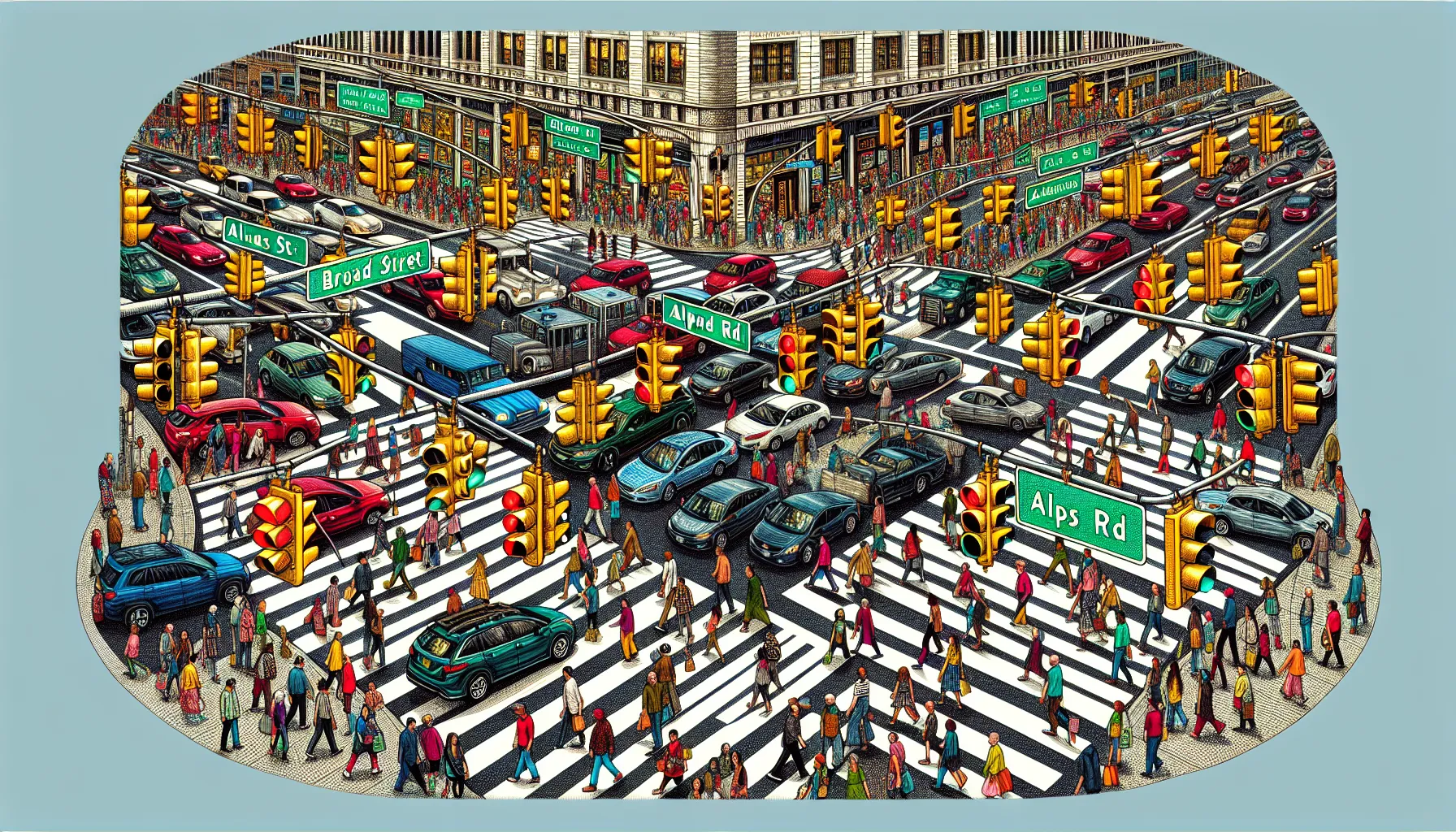
The junction of Broad Street and Alps Road, west of downtown, demands attention because of its complex and sometimes confusing signal setup, which contributes to driver errors and accidents.
This intersection, frequented by both local residents and visitors, experiences significant pedestrian traffic, further complicating navigation for motorists. Its specific issues, such as inadequate signage, limited visibility at certain angles, and narrow lanes, exacerbate the risk of traffic incidents. As such, it’s crucial for drivers, pedestrians, and cyclists to exercise caution and stay alert to navigate this intersection safely.
Analyzing the Data: What Makes These Intersections High-Risk?
Understanding the factors that contribute to high accident rates at these intersections is critical to formulating effective strategies to mitigate risks. From distracted driving to pedestrian and bicyclist safety concerns, and traffic flow and congestion — a multitude of factors come into play. By analyzing these aspects, we can gain insights into the reasons behind these intersections’ high-risk status and the measures needed to enhance safety.
The Role of Distracted Driving
Distracted driving plays a significant role in traffic accidents. It is under-counted in official crash data, because recording it depends on a driver admitting to it or on phone records being obtained afterwards — which is part of why Georgia made holding a phone at the wheel a misdemeanour. Distractions come in various forms, from using a mobile device to eating or simply being lost in thought.
These distractions often lead to drivers making wrong assumptions about other motorists’ actions, especially at intersections. For instance, a driver may assume that another has seen them and will yield, leading to a collision. The prevalence of such instances underscores the need for drivers to stay focused and alert, especially at busy intersections.
Pedestrian and Bicyclist Safety Concerns
The safety of pedestrians and bicyclists is another significant concern. At intersections like Broad Street and Alps Road, where pedestrian traffic is high, safety measures such as additional crosswalks are a pressing need to prevent fatalities.
Cyclists and users of alternative transportation vehicles also face risks at these intersections. Helmets are strongly recommended for cyclists to provide increased protection in case of a collision. Awareness and adherence to safety measures are crucial to ensuring the safety of pedestrians and cyclists navigating these hazardous intersections.
Traffic Flow and Congestion
Traffic flow and congestion significantly contribute to the high-risk nature of these intersections. Drivers often resort to risky manoeuvres such as using the wrong lane to turn, running red lights, or failing to stop before turning. These actions not only create hazardous conditions at intersections but also impede the safe and efficient flow of traffic.
Maintaining traffic flow and safety at these intersections is a complex task, often involving multiple stakeholders, including the traffic signal operations department in Athens-Clarke County. Their role includes overseeing school zone flashers, traffic signs, and the maintenance of fiber optic cables, which are vital for effective traffic data collection and signal operation.
Intersection Improvements and Safety Measures
Efforts are underway to enhance safety at these intersections through various measures. From infrastructure upgrades to heightened law enforcement and awareness campaigns, Athens-Clarke County is committed to reducing traffic volume and enhancing safety on its roads.
Infrastructure Upgrades
One of the primary strategies to enhance road safety is infrastructure upgrades. Athens-Clarke County is investing in capital improvements for safety that include:
- Sidewalks
- ADA accessible crosswalk relocation
- Signal timing modifications
- Pedestrian corner refuge renovations
- Pedestrian and street lighting
- Updating traffic signals
A $25 million infrastructure project is also in place for downtown Athens, focusing on:
- Road resurfacing
- The addition of shared bike paths
- Bus stop upgrades
- The enhancement of pedestrian signals and lighting along North Avenue
These upgrades are expected to significantly improve road safety and decrease the number of traffic accidents.
Law Enforcement and Awareness Campaigns
In addition to infrastructure upgrades, Athens has implemented the following resources to enhance roadway safety:
- A real-time crime center
- Mobile CCTV surveillance trailers
- All-terrain vehicles for improved patrol capabilities in trails and dense populations during community events
The Athens-Clarke County Police Department is committed to ensuring the safety of its residents and visitors.
These enhanced enforcement measures, combined with increased awareness campaigns, aim to decrease the incidence of traffic accidents in Athens. By prioritizing traffic law enforcement and increasing driver awareness of accident causes, the Athens-Clarke County police are working towards creating safer roads for everyone.
Have Questions About Your Case?
Get a free consultation with an experienced Georgia accident attorney.
Personal Accounts and Statistics
Behind these facts and figures are real people whose lives have been impacted by these traffic accidents. Personal accounts and statistics underscore the severity of the problem and the urgent need for enhanced road safety measures.
Firsthand Experiences
Athens has seen fatal crashes on these corridors involving students, university staff, and residents alike, and excessive speed is a recurring factor in the most serious of them. Each one is a reminder that the risk on these roads is not abstract, and that the difference between a near-miss and a fatality is often a matter of a few miles per hour.
By the Numbers
Statistics further cement the extent of the problem. From 2013 to 2022, Athens has experienced over 50,000 car crashes, indicating a troubling trend that has seen a recent increase in traffic deaths.
Jefferson Road has been particularly precarious, with 4 fatal crashes resulting in 5 fatalities within a mere 0.36-mile section — one of several dangerous traffic streets in Athens. These numbers paint a grim picture, highlighting the urgent need for improved safety measures and stricter adherence to traffic rules on dangerous roads like this one.
Seeking Help After an Accident
In the unfortunate event of an accident, there are steps that victims can take to protect themselves and their rights. From attending to immediate medical needs to seeking legal advice, it’s crucial to know what to do in the aftermath of a collision.
What to Do Immediately Following a Collision
When a collision occurs, your immediate focus should be on your health and safety. Call 911 immediately if anyone is injured in the collision, and avoid moving the injured unless necessary. It’s also crucial to report the accident to the police, especially if there are injuries, fatalities, or property damage over $500.
After ensuring the safety of all involved parties, it’s advisable to document the accident scene through photos and other evidence that could be useful for an insurance claim or legal proceedings. Seeking medical attention should also be a priority, even if no injuries are apparent, to account for any delayed symptoms.
Legal Assistance and Representation
Legal assistance following an accident can be crucial in navigating the claims process and ensuring fair compensation for injuries sustained. A knowledgeable car accident attorney can guide accident victims through the process of a personal injury case and ensure their rights are protected.
Engaging a car accident attorney can provide invaluable assistance in the following areas:
- Settling property damage claims
- Securing vehicle repairs
- Advocating for medical treatment
- Obtaining compensation for serious injuries
- Negotiating with insurance companies
- Filing lawsuits if necessary
Preemptive Measures: How to Stay Safe on Athens Roads
While efforts are underway to improve the safety of Athens’ roads, it’s also crucial to take personal precautions to avoid accidents. By practicing defensive driving strategies and adhering to safety tips for pedestrians and cyclists, road users can play their part in enhancing safety on Athens’ roads.
Defensive Driving Strategies

Defensive driving strategies can significantly decrease the likelihood of accidents. By staying in the correct lane, maintaining a safe distance from other vehicles, and preparing to slow down when approaching intersections, drivers can navigate safely.
It’s also essential to remain vigilant of one’s surroundings, observing pedestrians, ongoing construction, and turn restrictions. When making right turns at intersections, it’s crucial to check traffic from both left and right directions before proceeding. These defensive driving strategies can go a long way in preventing accidents and enhancing road safety.
Safety Tips for Pedestrians and Cyclists
Pedestrians and cyclists can also take various measures to enhance their safety. Using designated crosswalks, wearing reflective clothing at night, and avoiding distractions such as using phones or earbuds can improve visibility and safety.
It’s also crucial for pedestrians and cyclists to stay aware of their surroundings, especially in urban intersections where risks are higher due to various types of vehicles and driver behaviors. By adhering to these safety tips, pedestrians and cyclists can ensure their safety while navigating Athens’ streets.
Summary
In conclusion, road safety in Athens, Georgia, is a pressing issue that demands immediate attention and action. While efforts are underway to improve the safety of intersections and roads, it’s equally crucial for road users to practice defensive driving, adhere to safety measures, and stay vigilant. By working together, we can make Athens’ roads safer for everyone.
Frequently Asked Questions
Why are so many Athens crashes near the University of Georgia?
The corridors around campus concentrate every kind of road user at once — commuter traffic, buses, delivery vehicles, cyclists, and large numbers of pedestrians — across intersections that were laid out long before those volumes existed. Barnett Shoals at College Station and Broad at Alps are the clearest examples.
Do I have to report an Athens crash to the police?
Yes, in most cases. Georgia requires a report for any crash involving injury, death, or at least $500 in property damage, which a modern bumper can exceed on its own.
What are some of the most dangerous intersections in Athens, Georgia?
Barnett Shoals Road and College Station Road, Atlanta Highway and Timothy Road, and Broad Street and Alps Road are considered some of the most dangerous intersections in Athens. Be cautious when driving through these areas.
How does distracted driving contribute to traffic accidents in Georgia?
Distracted driving — phone use, eating, daydreaming — is a major factor in Georgia crashes, and one that official data understates, since it is recorded only when a driver admits it or phone records are pulled. Holding a phone while driving is a misdemeanour in Georgia under the Hands-Free Act.
What are some safety measures that pedestrians and cyclists can take to stay safe?
To stay safe, pedestrians and cyclists should use designated crosswalks, wear reflective clothing at night, avoid distractions, and stay aware of their surroundings. These measures can enhance their safety significantly.