Key Takeaways
- Georgia personal-injury claims must be filed within two years of the date of injury under O.C.G.A. § 9-3-33; minors' claims are tolled until they reach majority.
- Georgia is a modified comparative negligence state (O.C.G.A. § 51-12-33) — you can recover if you are less than 50% at fault, with damages reduced by your share.
- According to the Centers for Disease Control and Prevention, unintentional injuries account for over 220,000 deaths annually in the U.S., with motor vehicle crashes among the leading causes.
- Damages in a Georgia personal-injury case include medical bills, lost income, future earning capacity, pain and suffering, and (in catastrophic cases) loss of enjoyment of life — there is no cap on most economic or non-economic damages.
- Most Georgia personal-injury matters resolve through pre-suit negotiation or settlement; a Georgia personal injury lawyer can value the claim and negotiate. Review our case results and schedule a free consultation through our contact page.
Commercial Trucking

The Consequences of Improper Truck Backing
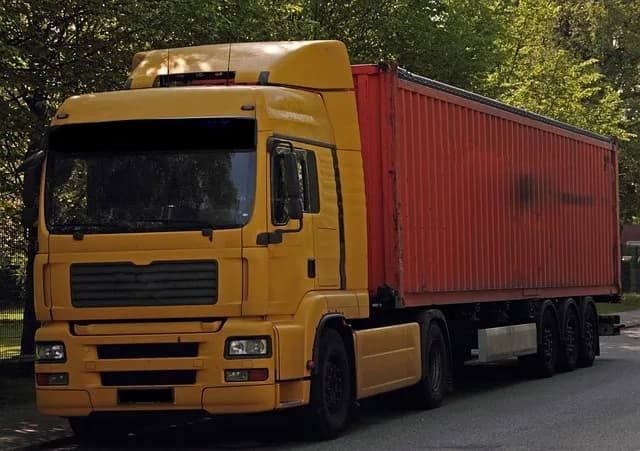
When it comes to commercial trucking, safety is paramount. However, safety is often compromised by driver error, particularly when trucks are backing up. Driver errors account for a substantial number of commercial truck–related accidents. These errors can be triggered by several factors, including drivers impaired by fatigue or by substances, and weather conditions that lead to questionable decision-making and risky behaviour.
Equally concerning is the potential for accidents stemming from subpar training or negligent hiring. In these instances, the trucking company itself can be held liable for any injuries caused. Therefore, understanding the grave implications of improper truck backing is critical, both for those within the industry and for everyone sharing the road and parking spaces with these large vehicles.
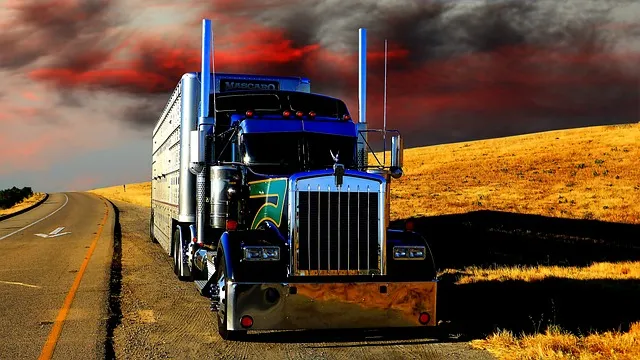
Backing up a truck safely is a complicated task that requires significant skill and experience. Most seasoned semi-truck drivers recognise the inherent risks of reversing and choose to pull forward whenever possible. This is because trucks are notoriously difficult to navigate in reverse and offer limited visibility to the driver. The threat of accidents is compounded when inexperience, poor training, or distraction come into play.
Commercial vehicles and loading docks are typically equipped with safety mechanisms to alert others when a truck is reversing. However, if these mechanisms aren’t diligently maintained, serious harm can befall pedestrians, bystanders, loading teams, dock workers, and other motorists.

The Impact of Improper Backing Accidents
One of the silent dangers associated with truck driving is the presence of blind spots, or “no-zones.” These are areas around the truck, including the front, sides, and rear, where other vehicles are invisible to the driver. The presence of these “no-zones” escalates when the truck is reversing or making right turns. Alarmingly, the chances of an accident increase significantly when a vehicle enters a truck’s “no-zone.” Often, these accidents and fatal injuries can be attributed to the truck driver failing to notice the other vehicle entering the blind spot.
Negligence during reversing is a potent hazard associated with commercial vehicles. The FMCSA puts a tractor-trailer’s rear blind spot at roughly 30 feet behind the trailer and 20 feet in front of the cab — easily enough to completely obscure a vehicle or a pedestrian from the driver’s view. Negligence can manifest in multiple ways: reversing into a parking lot or a pedestrian area, neglecting to maintain safety features, or failing to signal an intent to back up.
How a Trucking Wreck Attorney Can Help
Should you find yourself a victim of a truck accident due to improper backing, it’s essential to know your rights and next steps. While these truck accidents generally occur at lower speeds, they can still cause serious injury, extensive property damage, and even death. Employing a skilled trucking accident attorney can help you investigate the incident, establish liability, and seek damages.
A personal injury settlement can help severely injured victims cover medical bills, lost wages, property damage, and ongoing care and rehabilitation costs. Additionally, it can offer compensation for non-tangible losses, such as pain and suffering.
Conclusion
In conclusion, improper truck backing is a significant safety concern with potentially devastating consequences. Adequate driver training and regular maintenance of vehicle safety features are two steps toward mitigating these incidents. If you’re unfortunate enough to be a victim of such an accident, remember that you have the right to seek legal redress and compensation for medical expenses from your ordeal.
Frequently Asked Questions
How long do I have to file a personal-injury claim in Georgia?
Two years from the date of injury under O.C.G.A. § 9-3-33. For minors, the statute is tolled until they reach 18 — they then have until age 20 to file. Claims against governmental entities may carry shorter ante litem notice deadlines, sometimes as short as six months under O.C.G.A. § 36-33-5.
What damages can I recover?
Past and future medical expenses, lost income and future earning capacity, property damage, pain and suffering, mental anguish, and (in catastrophic or fatal cases) loss of enjoyment of life or wrongful-death damages. Georgia does not cap most economic or non-economic damages.
How does modified comparative negligence work in Georgia?
Under O.C.G.A. § 51-12-33, you can recover damages if you are less than 50% at fault; your recovery is reduced by your share of fault. At 50% or higher, you recover nothing. Insurance adjusters work to push your percentage above the bar.
Should I accept the insurance company’s first offer?
Almost never. First offers reliably underestimate medical-treatment trajectories, lost-income totals, and the value of pain and suffering. Settling before the full scope of injury is documented permanently waives those claims. According to the State Bar of Georgia, consulting an attorney before signing any release is the standard protective step.