Key Takeaways
- A fleeing driver commits a crime under O.C.G.A. § 40-6-270, but you can still recover through uninsured motorist coverage even if police never identify the car.
- Georgia gives you two years from the injury date to file a personal-injury claim under O.C.G.A. § 9-3-33 — the clock runs whether or not the hit-and-run driver is caught.
- You must report any injury or significant-damage crash to law enforcement under O.C.G.A. § 40-6-273; that police report is the backbone of a hit-and-run claim.
- Peoplestown crashes fall within Fulton County, where injury suits are typically filed in the State Court of Fulton County.
- Get medical care fast — Grady Memorial Hospital, a Level I trauma center, sits about two miles north of the corridor.
- A qualifying UM claim can pay even when your fault is disputed, but Georgia's 50% bar under O.C.G.A. § 51-12-33 still applies.
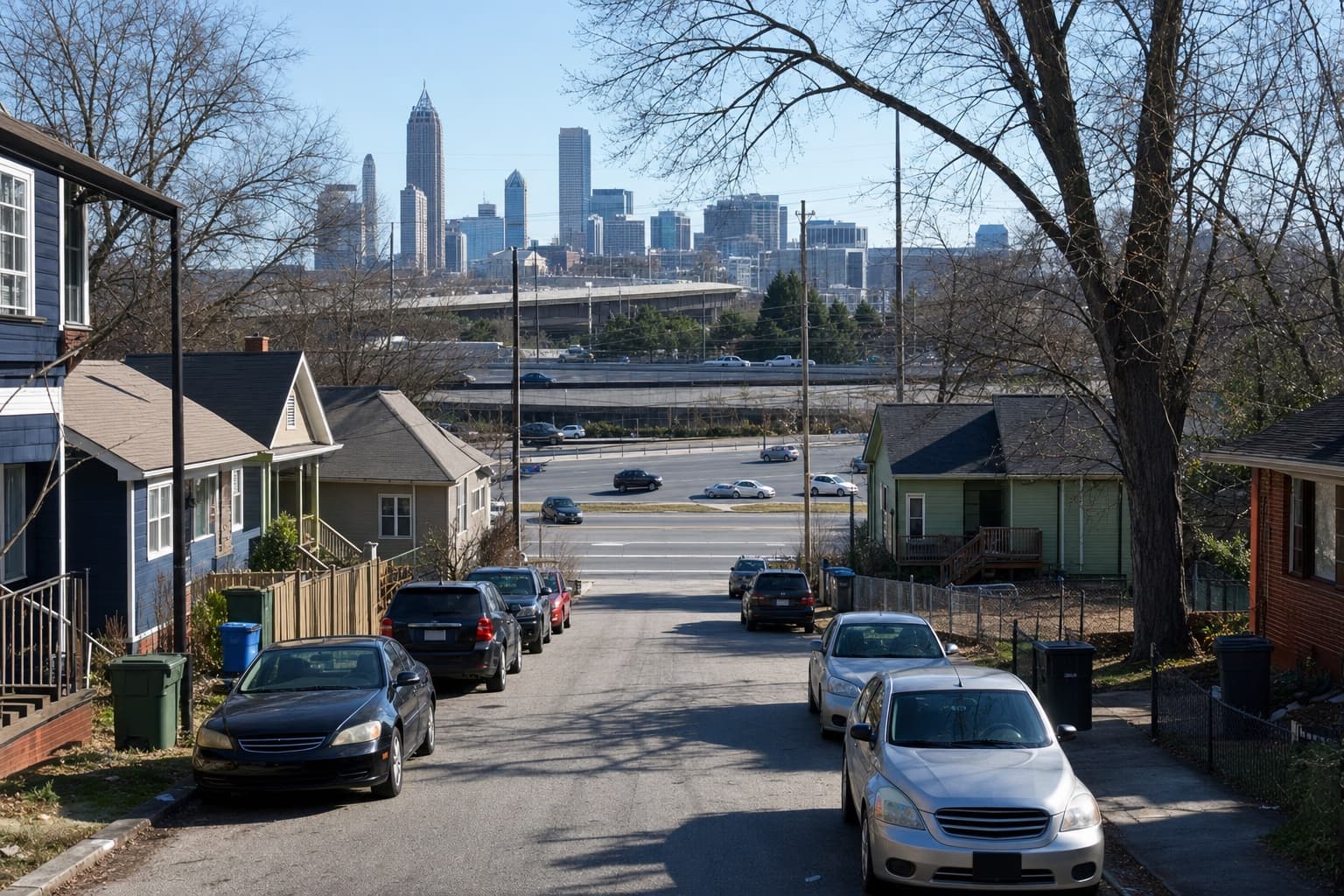
If a driver hit you and sped off down Martin Street SE or one of Peoplestown's other narrow residential blocks, a Peoplestown hit and run accident lawyer can still help you recover — even when the other car is never found. Georgia law treats a qualifying unidentified hit-and-run driver as an uninsured motorist, which means your own auto policy's uninsured motorist coverage can step in to pay for your injuries under O.C.G.A. § 33-7-11. The driver's flight is a crime under O.C.G.A. § 40-6-270, but it does not erase your right to compensation. What you do in the first hours — calling 911, documenting the scene, and reporting the crash — often decides how strong your claim becomes.
Last reviewed: 2026-06-05
Why Hit-and-Run Crashes Happen Around Martin Street SE
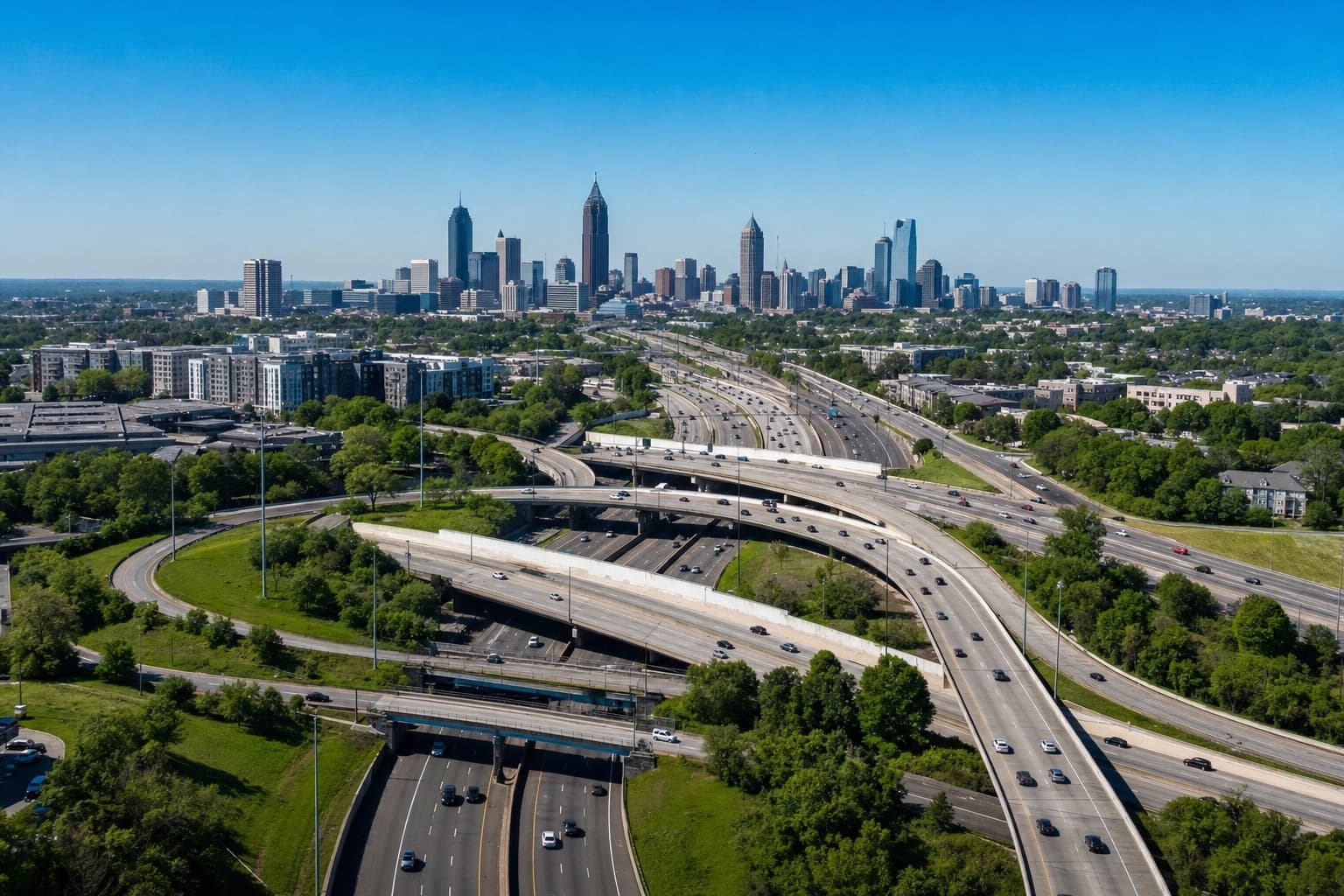
Peoplestown sits in a wedge of intown South Atlanta neighborhoods — alongside Summerhill, Mechanicsville, and Grant Park — pinned between the Downtown Connector (I-75/85) and the downtown stadium district. That geography is exactly what makes leave-the-scene crashes common here. Narrow residential cut-through streets like Martin Street SE and Pulliam Street SW feed high-volume arterials with limited sightlines, and they offer a fleeing driver a fast, quiet exit toward the Connector ramps.
A few corridor-specific patterns drive the risk:
- Connector spillover. On- and off-ramp backups along the Downtown Connector push unfamiliar, fast-moving drivers onto neighborhood streets they don't know, raising both crash and flight risk.
- Event-day surges. State Farm Arena and Mercedes-Benz Stadium each sit under two miles away. When Atlanta Hawks games, Falcons or Atlanta United matches, or concerts let out, post-event drivers, walkers, and rideshare vehicles stack onto Hank Aaron Drive and Georgia Avenue at the same time.
- Five-lane arterials through a residential grid. Georgia Avenue and Ralph David Abernathy Boulevard carry five lanes of traffic directly past front porches and crossings, producing high-speed-versus-vulnerable-road-user mismatches.
- Park and school foot traffic. Weekend volume at D.H. Stanton Park, plus school zones around Martin Luther King Jr. Middle School and Atlanta Neighborhood Charter School, puts pedestrians and cyclists near drivers who may panic and flee after a strike.
According to Georgia's Governor's Office of Highway Safety, hit-and-run crashes have become a persistent share of the state's traffic toll, and the National Highway Traffic Safety Administration's <a href="https://www.nhtsa.gov/research-data/fatality-analysis-reporting-system-fars" rel="noopener noreferrer">Fatality Analysis Reporting System</a> tracks fatal crashes statewide each year. According to AAA Foundation for Traffic Safety data, more than 2,000 people are killed in <a href="https://aaafoundation.org/" rel="noopener noreferrer">hit-and-run crashes</a> nationally in a typical recent year — a roughly 60% increase over the prior decade — and a majority of hit-and-run fatality victims are pedestrians and cyclists. According to NHTSA's national crash data, leaving the scene remains far more common in dense urban grids than on open highways — a pattern that maps directly onto a walkable corridor like Peoplestown.
What Georgia Law Requires After a Crash
Two statutes define the driver's duties at the scene. Under O.C.G.A. § 40-6-270, any driver involved in a crash that causes injury, death, or vehicle damage must stop, give their name, address, and vehicle registration, show their license on request, and render reasonable aid to anyone hurt. Driving away from those duties is the offense most people call hit-and-run. Separately, O.C.G.A. § 40-6-273 requires that crashes involving injury, death, or property damage of $500 or more be reported to local police, the county sheriff, or the Georgia State Patrol.
For you, the injured party, three more Georgia rules shape the claim:
- Two-year deadline. You have two years from the date of injury to file a personal-injury lawsuit under O.C.G.A. § 9-3-33. That deadline runs even while police are still searching for the driver, so a UM claim through your own insurer is often the practical path forward.
- Comparative fault. Georgia uses modified comparative negligence under O.C.G.A. § 51-12-33. Your recovery is reduced by your share of fault and barred entirely if you are 50% or more at fault. Insurers sometimes try to pin partial blame on a victim precisely because the other driver isn't there to contradict it.
- Uninsured motorist coverage. Under O.C.G.A. § 33-7-11, a qualifying unidentified hit-and-run driver is treated as an uninsured motorist, so your own UM coverage can pay for medical bills, lost wages, and pain and suffering.
Mark Wade, Founder and Lead Attorney at Georgia Auto Law, frames the hit-and-run problem this way: "In a hit-and-run, the single most valuable thing a client can do is treat their own insurer the way they'd treat the other side — politely, but carefully. Your UM coverage is a real claim with a real adjuster, and the recorded statement you give in the first week can either anchor your case or quietly undercut it. Get the police report number, get to a doctor, and call a lawyer before you describe the crash on a recorded line." He also points out that many Peoplestown drivers don't realize a so-called "phantom vehicle" — a car that runs you off the road without ever touching you — can still trigger UM coverage in Georgia when the contact requirement is met through corroborating evidence, which is one more reason scene documentation matters.
What to Do in the First 24 Hours
The hours right after a Martin Street hit-and-run are when evidence is most recoverable and most fragile.
- Call 911 and stay put. Report the injury and request police. The responding officer's report satisfies O.C.G.A. § 40-6-273 and creates the official record your UM claim will rely on.
- Capture the fleeing car. Note any fragment you can — partial plate, color, make, direction of travel toward the Connector or Georgia Avenue. Even a partial plate has helped Atlanta police identify drivers.
- Photograph everything. Your vehicle's damage, paint transfer, debris in the roadway, skid marks, and the surrounding intersection. Paint and parts left at the scene can later be matched to a suspect car.
- Find witnesses and cameras. Neighbors, a driver who pulled over, a delivery worker — get names and numbers. Many homes and businesses along Hank Aaron Drive and the Georgia Avenue corridor run doorbell or security cameras.
- Get medical care quickly. Even if you feel "okay," adrenaline masks injuries. Grady Memorial Hospital is a Level I trauma center, roughly two miles north; Hughes Spalding Hospital sits about 1.3 miles north for pediatric care. A same-day medical record ties your injuries to the crash.
- Report it to your own insurer — then call a lawyer. Notify your carrier promptly to preserve UM coverage, but speak with a Georgia car accident lawyer before giving any recorded statement.
Have Questions About Your Case?
Get a free consultation with an experienced Georgia accident attorney.
Hit-and-Run vs. Identified-Driver Claims: How They Differ
| Factor | Driver flees (hit-and-run) | Driver stays / is identified |
|---|---|---|
| Who pays | Your UM coverage under O.C.G.A. § 33-7-11 | The at-fault driver's liability insurer |
| Key first step | Police report under O.C.G.A. § 40-6-273 to qualify the UM claim | Exchange of insurance and contact info at scene |
| Criminal exposure for other driver | Yes — leaving the scene under O.C.G.A. § 40-6-270 | Usually none beyond ordinary traffic citation |
| Proof challenge | Establishing the phantom/unidentified vehicle caused the crash | Establishing fault percentages under O.C.G.A. § 51-12-33 |
| Filing deadline | 2 years from injury — O.C.G.A. § 9-3-33 | 2 years from injury — O.C.G.A. § 9-3-33 |
| Where suit is filed | State Court of Fulton County (Peoplestown) | State Court of Fulton County (Peoplestown) |
Where Peoplestown Hit-and-Run Cases Are Handled
Crashes in Peoplestown, Summerhill, Mechanicsville, and the broader Grant Park area (ZIP 30315) fall within Fulton County. Personal-injury suits are typically filed in the State Court of Fulton County, while the Superior Court of Fulton County handles larger or equity-involving matters. If your case can't settle with your UM carrier, that's the venue where a Peoplestown hit and run accident lawyer would litigate it. Because event-day crashes near the stadium district so often involve out-of-area drivers who don't know the residential grid, identification can be difficult — which is exactly why a UM-anchored strategy matters from day one.
The same corridor produces related claims worth knowing about: pedestrian strikes at the five-lane Georgia Avenue and Hank Aaron Drive crossings (where a Georgia pedestrian accident lawyer handles right-of-way disputes), event-day rideshare accident claims near the stadiums, and serious head injuries that may require traumatic brain injury claims. A hit-and-run that causes a severe injury can implicate more than one of these tracks at once.
If you were hurt in or near Downtown Atlanta, Summerhill, or anywhere across the metro, our Atlanta personal injury attorneys and Georgia personal injury lawyer team work on contingency — there's no fee unless we win, and the consultation is free.
Frequently Asked Questions
Can I still recover money if the hit-and-run driver is never found in Peoplestown?
Yes. Under O.C.G.A. § 33-7-11, Georgia treats a qualifying unidentified hit-and-run driver as an uninsured motorist, so your own UM coverage can pay for your injuries even if police never identify the car. A timely police report and good scene documentation are what qualify the claim, which is why calling 911 from the scene matters.
How long do I have to file a hit-and-run injury claim in Georgia?
You generally have two years from the date of injury under O.C.G.A. § 9-3-33. That deadline runs even while law enforcement is still searching for the driver, so you should not wait on an arrest to pursue your own uninsured motorist coverage claim.
Do I have to report a hit-and-run to the police?
Yes. O.C.G.A. § 40-6-273 requires reporting any crash that causes injury, death, or property damage of $500 or more. Beyond the legal duty, the police report is the document your UM insurer will rely on to verify that an unidentified driver caused your injuries.
What happens to the driver who fled the scene on Martin Street?
Leaving the scene of an injury crash is a crime under O.C.G.A. § 40-6-270 — the driver had a legal duty to stop, identify themselves, and render aid. If Atlanta police identify the driver, you may also be able to pursue their liability insurance in addition to or instead of your UM coverage.
What if the insurance company says the crash was partly my fault?
Georgia follows modified comparative negligence under O.C.G.A. § 51-12-33. Your recovery is reduced by your percentage of fault and barred only if you are 50% or more at fault. Because a fleeing driver isn't present to contradict the insurer's version, it's wise to talk to a lawyer before giving a recorded statement.
Which hospital should I go to after a Peoplestown crash?
Grady Memorial Hospital, a Level I trauma center, is roughly two miles north of the corridor and is the right destination for serious injuries. Hughes Spalding Hospital, about 1.3 miles north, provides pediatric care. Getting same-day treatment also creates the medical record that links your injuries to the crash.
Where would my Peoplestown hit-and-run lawsuit be filed?
Peoplestown is in Fulton County, so an injury suit is typically filed in the State Court of Fulton County, with the Superior Court of Fulton County handling larger or equity-involving matters. Most UM claims resolve before suit, but having a Georgia car accident lawyer ready to litigate strengthens your negotiating position.
Is the consultation really free?
Yes. Georgia Auto Law offers a free consultation and works on a contingency fee — you pay no attorney fees unless we recover for you. Call (404) 662-4949 to speak with a Peoplestown hit and run accident lawyer about your options.