Key Takeaways
- Georgia's two-year personal-injury statute of limitations (O.C.G.A. § 9-3-33) applies to truck-crash injury claims — the clock starts on the crash date, not the date of diagnosis.
- Commercial-driver hours-of-service rules from the Federal Motor Carrier Safety Administration limit drivers to 11 hours of driving per shift and 60 hours over 7 consecutive days. Logbook violations are common evidence of negligence.
- According to the FMCSA, large trucks were involved in 5,837 fatal crashes in 2022 — an 18% increase from 2021 and the highest number in over four decades.
- Under Georgia's modified comparative negligence rule (O.C.G.A. § 51-12-33), both the driver and the trucking company can be held liable, especially when the carrier controlled hiring, training, routing, or maintenance.
- Truck-crash cases require early evidence preservation; a Georgia truck accident lawyer can issue spoliation letters within days of the crash. See our results for representative case outcomes.
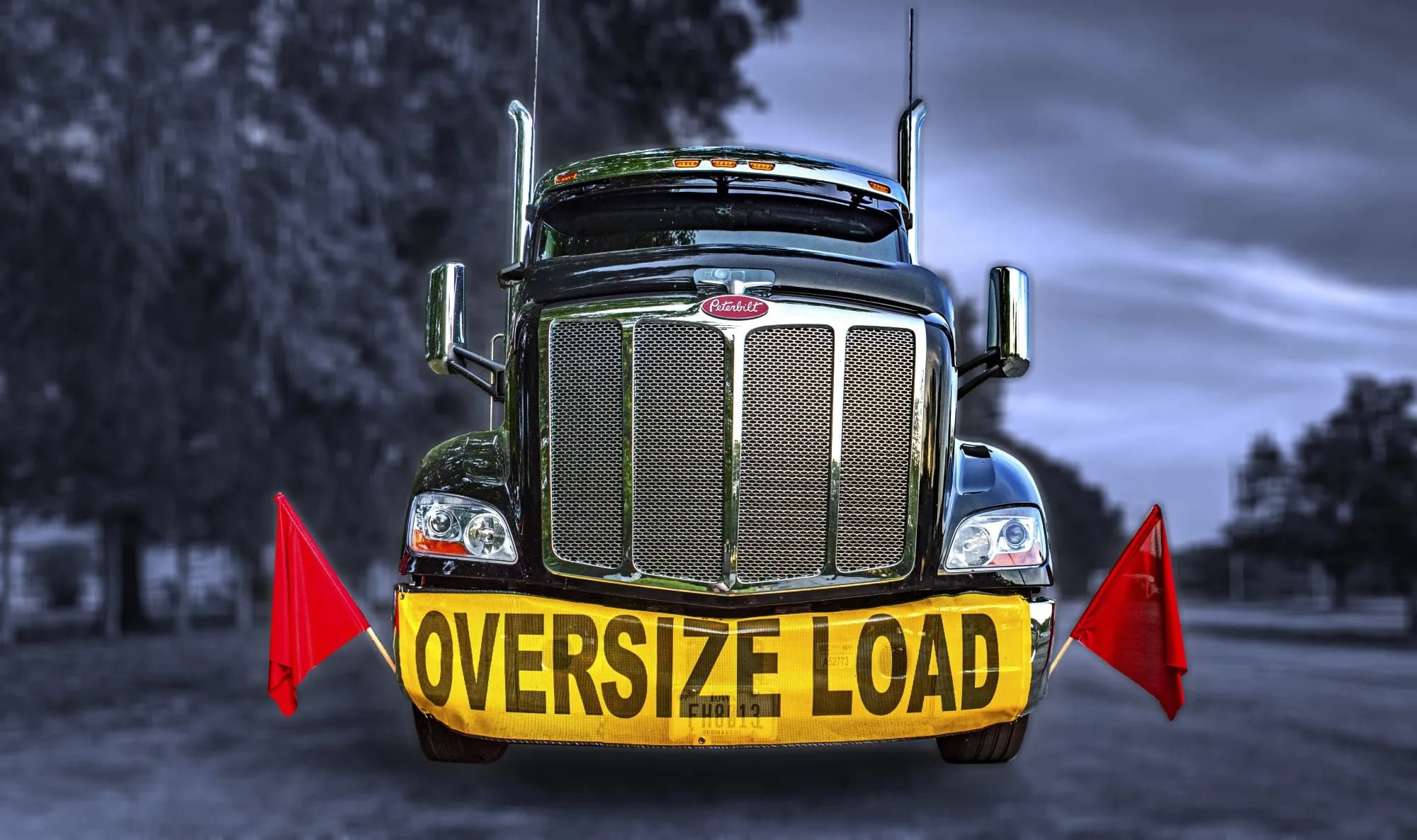
More than 100,000 people are injured each year in crashes involving large trucks, and improperly secured or unbalanced cargo is a recurring cause among them. Some of those injuries are life-altering, and some are fatal.
If you were injured because of an uneven or unsecured truck load, you have the right to seek compensation for your losses. Please continue reading below to learn more about the devastating effects of these accidents. We will cover all you need to know about what causes oversized truck load accidents and who you can contact to help you understand your rights in this type of situation.
What Are the Dangers of an Unsecured Truck Load?
Large trucks typically carry a lot of cargo in the back of their trailers. When these trailers have unsecured or unbalanced cargo, they can pose a serious threat to other drivers.
For example, if a commercial truck driver tries to make a turn, but the load in the back is unbalanced, it can cause the truck to tip over. Once that momentum starts, there is no stopping it until the truck comes to a rest, putting the driver and vehicles nearby in great danger.
Rear-end Accidents
In general, when driving at a speed of 65 mph, it takes commercial trucks about 525 feet to come to a complete stop. This is almost the length of two football fields.
Those figures already assume a properly loaded trailer. Overloading extends them further, and badly distributed weight can make the braking uneven, so the trailer pushes rather than slows. If a truck cannot stop in the distance available, it can strike several vehicles in front of it.
Jackknife Accidents
These happen when a driver brakes or turns sharply and the trailer swings out around the cab. When this happens, the driver no longer has control of the vehicle, and the trailer can sweep vehicles once that momentum starts.
Unsecured Cargo Accidents
Have you ever driven down the highway and saw cargo flying off the back of a truck? That is the risk that comes with unsecured cargo.
There are laws that mandate trucks to secure their load before they head out onto the road. Unfortunately, not everyone does. If you were involved in an accident where cargo flew off a truck and hit your vehicle, causing severe damages and injuries, you might be entitled to compensation.
Are There Laws Governing Truckloads?
Yes, there are several laws truck drivers must abide by regarding how truck drivers load their cargo. For example, some laws govern how the commercial truck company must place the cargo and how much weight a truck can carry at one time. There are also rules that cover when and how a driver should use a tie-down to avoid having an unsafe load.
These rules are in place to help avoid oversized truck load accidents, but unfortunately, there are accidents that happen all the time. You may want to seek legal representation if you recently sustained injuries in an accident where a commercial truck driver caused the accident.
Who Is Responsible for Oversized Truck Load Accidents?
There are several different factors at play when it comes to determining who is at fault for your damages. The person responsible for loading the truck may be held liable, or the driver or the truck might be the one to blame.
There is also a chance the carrier knew and sent the driver out anyway to keep a schedule. Which of them is responsible matters, and so does your own share: under O.C.G.A. § 51-12-33 your recovery is reduced by whatever percentage of the fault is assigned to you, and disappears entirely at 50 percent.
Instead of dealing with trying to figure out who is at fault for the accident, you can turn that over to a reputable attorney to handle it on your behalf. They will use their resources to find out who they need to contact to ensure you receive the compensation you deserve.
Have Questions About Your Case?
Get a free consultation with an experienced Georgia accident attorney.
How To Prove Liability After an Accident With an Unsecured Truck Load
After a crash like this you have to establish liability — first to the carrier's insurer, and to a jury if they will not accept it. The most useful evidence is the driver's duty-status logs and the company's cargo and loading records.
Additional evidence helpful in proving your case:
Accident reconstruction experts
Witness information
The driver’s bill of lading
The bill of lading is a legal document that details the cargo’s quantity, type, and destination in the back of the truck. It also serves as a receipt when the carrier delivers those goods.
If there is any evidence that the load the driver was carrying was over the legal limit, it could help to prove that they were driving under unsafe conditions. These conditions could also be proven to be a catalyst for the cause of your accident.
Help With Oversized Truck Load Accidents
There are several laws governing how a commercial driver must secure their truck load. If they don’t, it can lead to severe accidents, leaving other drivers, like yourself, with detrimental injuries and property damage.
Cargo securement violations remain among the most common findings in roadside inspections, which tells you how routinely loads go out unsecured or overweight. If you recently sustained injuries at the hands of a commercial truck driver and their unsecured or oversized load, contact us. We offer free, no-obligation consultations and are here to answer any questions or concerns you may have about your case.
Frequently Asked Questions
How much insurance do trucking companies carry in Georgia?
Interstate commercial carriers must maintain at least $750,000 in liability coverage under FMCSA regulations — far above the Georgia auto minimum of $25,000. Many carriers exceed the federal floor and carry $1 million or more, which is why truck-crash recoveries can be substantially larger than passenger-vehicle cases.
What causes most large-truck crashes?
According to FMCSA crash data, the leading contributing factors are driver fatigue, unfamiliarity with the route, brake problems, speeding, and distraction. Many of these correlate with violations of federal hours-of-service rules — a logbook audit early in the case can reveal those violations.
How long do I have to file a Georgia truck-accident claim?
Two years from the date of the crash under O.C.G.A. § 9-3-33 for personal injury. Cargo or property claims have four years under O.C.G.A. § 9-3-32. However, evidence-preservation letters to the carrier should go out within days to prevent logbook and ELD data from being overwritten.
Can I sue both the truck driver and the trucking company?
Yes. Under Georgia respondeat superior law, the trucking company is generally liable for the driver’s on-duty negligence. The carrier also has independent duties to inspect, train, supervise, and route — violations of those duties create direct claims against the company beyond the driver’s actions.